
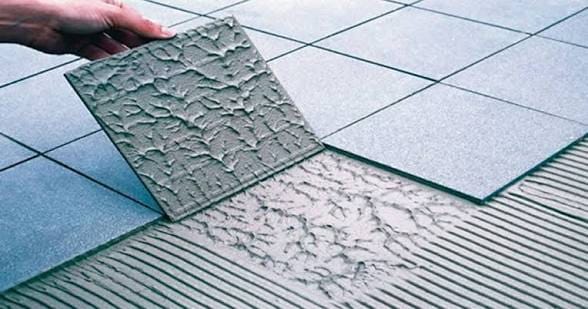
Thailand’s tile adhesives market is evolving alongside the country’s rapidly changing construction landscape. With over 40% of Thailand’s population living in urban areas and continued investments in residential, commercial, and infrastructure projects, demand for high-performance construction materials is steadily rising. Tile adhesives have become a preferred alternative to traditional cement-sand mixtures because they offer stronger bonding, better durability, and faster installation. From high-rise condominiums in Bangkok to hospitality projects in Phuket and Pattaya, developers are increasingly choosing advanced tiling solutions that improve quality and reduce maintenance costs. As homeowners also invest more in renovations and interior upgrades, the role of tile adhesives in modern construction continues to expand across the country.
Market Drivers Advancing the Thailand Tile Adhesives Industry
Thailand’s Expanding Construction and Infrastructure Pipeline
One of the biggest factors driving the Thailand tile adhesives industry is the country’s ongoing infrastructure and construction activity. The construction sector contributes nearly 8-9% of Thailand’s GDP, supported by investments in transportation networks, industrial zones, airports, and mixed-use developments. Projects linked to the Eastern Economic Corridor (EEC), rail transit expansions, and urban development programs continue to create opportunities for tile installations across residential and commercial buildings. As construction standards become more sophisticated, builders are increasingly selecting specialized adhesives that ensure long-lasting tile performance.
Rising Home Renovation and Property Upgrades Across Thailand
Thai homeowners are placing greater emphasis on aesthetics, functionality, and property value enhancement. Renovation projects involving kitchens, bathrooms, balconies, and living spaces are contributing significantly to tile adhesive demand. The country’s thriving tourism sector is also encouraging hotel owners, resorts, and serviced apartment operators to undertake frequent refurbishment activities. Premium ceramic and porcelain tiles require reliable adhesive systems, making modern tile adhesives an essential component of renovation projects.
Growing Preference for Advanced and Sustainable Building Materials
Construction professionals are increasingly adopting products that improve efficiency and reduce labor requirements. Modern tile adhesives help contractors achieve faster installation, minimize material wastage, and improve bonding strength compared to conventional methods. Demand is also growing for polymer-modified, waterproof, and low-VOC adhesive products as sustainability becomes an important consideration for developers and consumers. The increasing use of large-format tiles and luxury interior finishes further supports the transition toward advanced adhesive technologies.
Government Initiatives Supporting Thailand Tile Adhesives Industry
Thailand’s government continues to stimulate construction activity through large-scale infrastructure investments and urban development initiatives. The Eastern Economic Corridor remains a focal point for industrial, commercial, and residential expansion, attracting both domestic and foreign investment. In addition, transportation modernization projects, smart city initiatives, and housing development programs are strengthening demand for building materials. These efforts indirectly create a favorable environment for tile adhesive manufacturers by supporting long-term construction growth throughout the country.
Competitive Landscape of Thailand Tile Adhesives Sector
The market features a mix of international brands and established local suppliers competing through product quality, technical expertise, and distribution reach. Major participants include MAPEI Thailand, Sika Thailand, Saint-Gobain Weber Thailand, COTTO, TOA Paint, and LANKO. Manufacturers are focusing on innovative formulations designed for porcelain tiles, wet areas, exterior applications, and high-traffic commercial spaces. Competitive differentiation increasingly depends on product performance, sustainability credentials, installer training, and after-sales support.
Challenges Facing Thailand’s Tile Adhesives Industry
Raw Material Cost Volatility Pressuring Manufacturers
Tile adhesive producers continue to face fluctuations in the prices of cement, polymers, additives, and specialty chemicals. Rising raw material and logistics costs can impact profitability and create pricing challenges across the supply chain.
Traditional Installation Practices Still Present in Some Regions
Although awareness of tile adhesives is growing, traditional cement-based installation methods remain common in certain parts of Thailand. Cost-sensitive consumers and installers often rely on familiar practices, requiring manufacturers to invest in education and product demonstrations that highlight long-term performance benefits.
Future Outlook
The future of Thailand’s tile adhesives market looks promising as urbanization, infrastructure development, and property renovation activities continue to gain momentum. Growing consumer demand for premium interiors, waterproof solutions, and durable tile installations is expected to support market expansion. As developers increasingly prioritize construction quality and efficiency, advanced adhesive technologies will become even more important. Products offering enhanced flexibility, sustainability, and compatibility with modern tile designs are likely to see strong adoption. With a healthy pipeline of residential, commercial, hospitality, and industrial projects, the Thailand tile adhesives industry is well-positioned for sustained growth in the coming years.
Consultants at Nexdigm, in their latest publication “Thailand Tile Adhesives Market Outlook to 2035” analyze the sector By Adhesive Technology (Hybrid Polymer Tile Adhesives and Epoxy Tile Adhesives), By Tile Types (Vitrified Tiles, Glass Mosaic and Cement Tiles) and By Application (Interior Floor Tiling and Kitchen Tiling).
Nexdigm suggests that businesses in “Thailand Tile Adhesives Industry” focusses on oilfield, desalination, construction, and industrial applications, strengthen local warehousing, develop application-specific grades, improve technical support, and build resilient sourcing networks to serve expanding energy, water, and manufacturing demand.
To take the next step, simply visit our Request a Consultation page and share your requirements with us.
Harsh Mittal
+91-8422857704