
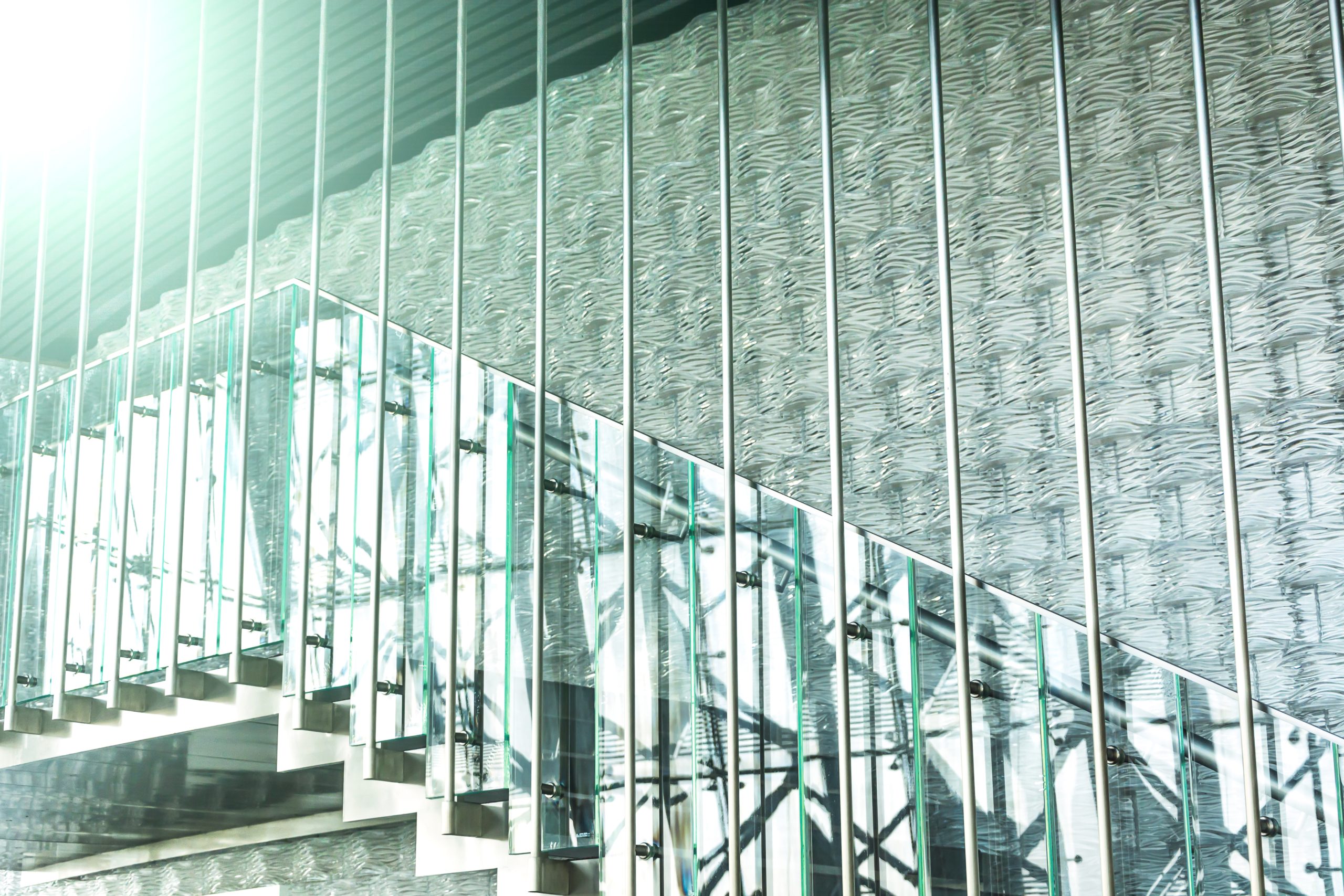
Thailand translucent concrete market is gaining traction as architects, developers, and hospitality operators increasingly seek innovative building materials that combine aesthetics with functionality. Translucent concrete, embedded with optical fibers, allows natural and artificial light transmission while maintaining the strength of traditional concrete. Growing demand for visually striking commercial developments, hotels, mixed-use projects, and sustainable construction practices is supporting market expansion. Thailand recorded 58.86 million square meters of new building construction area, while tourism activity reached 35.55 million international arrivals, creating favorable conditions for architectural materials that enhance design appeal and energy efficiency.
Market Drivers Supporting Thailand Translucent Concrete Industry
Rising Commercial and Hospitality Construction
Thailand thriving hospitality and commercial real estate sectors are major growth drivers for translucent concrete adoption. Key urban centers such as Bangkok, Phuket, Chonburi, and Rayong continue to attract significant investments in hotels, retail complexes, office buildings, and mixed-use developments. The country welcomed approximately 35.55 million international tourist arrivals, encouraging developers to create architecturally distinctive properties that enhance guest experiences. Translucent concrete provides unique visual effects, allowing natural light penetration while offering structural integrity, making it particularly attractive for premium hospitality projects. Additionally, Bangkok alone recorded around 3.65 million square meters of new construction activity, while surrounding provinces contributed approximately 12.22 million square meters. This extensive construction pipeline creates substantial opportunities for advanced building materials that support innovative designs and modern architectural trends.
Growing Demand for Sustainable and Energy-Efficient Buildings
Sustainability objectives are increasingly influencing construction decisions across Thailand. Developers are adopting materials that improve building performance while reducing energy consumption. Translucent concrete contributes to energy efficiency by enabling daylight harvesting, reducing dependence on artificial lighting during daytime hours. The increasing emphasis on green buildings, smart infrastructure, and environmentally responsible construction practices is encouraging the integration of translucent concrete in facades, partitions, decorative walls, and public infrastructure projects. As sustainability certifications gain importance, demand for innovative materials with both aesthetic and functional advantages is expected to increase further.
Expanding Use in Architectural Facades and Urban Design
Modern architectural trends increasingly favor materials that create visually engaging structures without compromising durability. Translucent concrete offers architects unique design flexibility through illuminated facades, artistic installations, and contemporary interior applications. Thailand’s ongoing urbanization and premium real estate developments are encouraging the use of such advanced construction materials. Landmark commercial buildings, airports, luxury resorts, cultural centers, and public infrastructure projects are increasingly exploring visually differentiated construction solutions to enhance project value and architectural identity.
Government Initiatives Supporting Thailand Translucent Concrete Sector
Thailand regulatory focus on sustainable construction supports market growth. The Building Energy Code applies to multiple building categories with a minimum floor area threshold of 2,000 square meters, promoting energy-efficient design practices. Government efforts to improve urban infrastructure, develop smart cities, and encourage green building standards are creating favorable conditions for innovative construction materials. Such initiatives encourage developers to adopt advanced façade and daylighting solutions, benefiting the translucent concrete industry.
Competitive Landscape of Thailand Translucent Concrete Industry
The Thailand translucent concrete market remains relatively specialized, with competition involving international material suppliers, niche architectural product manufacturers, and local construction solution providers. Companies compete through product customization, optical performance, design capabilities, and technical support services. Strategic partnerships between architects, developers, construction firms, and material innovators are becoming increasingly important. Market participants are also focusing on sustainability, premium finishes, and project-specific solutions to strengthen their competitive positioning.
Challenges Affecting Thailand Translucent Concrete Growth
High Material and Installation Costs
Translucent concrete remains considerably more expensive than conventional concrete due to the incorporation of optical fibers and specialized manufacturing processes. Higher installation and maintenance requirements may limit widespread adoption, particularly among cost-sensitive construction projects.
Limited Awareness and Technical Expertise
Despite its advantages, translucent concrete remains a relatively new material in Thailand. Limited awareness among contractors, developers, and project planners can slow adoption rates. Furthermore, specialized installation expertise is often required to ensure optimal structural performance and visual effects.
Future Outlook
The future of Thailand translucent concrete market appears promising as demand for sustainable, energy-efficient, and visually distinctive buildings continues to rise. Growth in tourism-related infrastructure, commercial developments, premium residential projects, and urban modernization initiatives is expected to support wider adoption. Continuous advancements in material technology, improving affordability, and increasing awareness among architects and developers will further enhance market penetration. As Thailand continues focusing on green construction and smart urban development, translucent concrete is likely to emerge as an increasingly important component of modern architectural design.
Consultants at Nexdigm, in their latest publication “Thailand Translucent Concrete Market Outlook to 2035,” analyze the sector By Product Form (Market Definition and Scope, Thailand Translucent Concrete Market Classification, Light-Transmitting Concrete Technology Mapping, Optical-Fiber-Embedded Concrete Assessment,).
Nexdigm suggests that businesses in the Thailand Translucent Concrete Industry focus on capitalizing on demand for innovative and sustainable building materials across commercial and infrastructure projects. Companies should invest in product development, strengthen partnerships with architects and contractors, and promote energy-efficient construction solutions to enhance market competitiveness.
To take the next step, simply visit our Request a Consultation page and share your requirements with us.
Harsh Mittal
+91-8422857704