
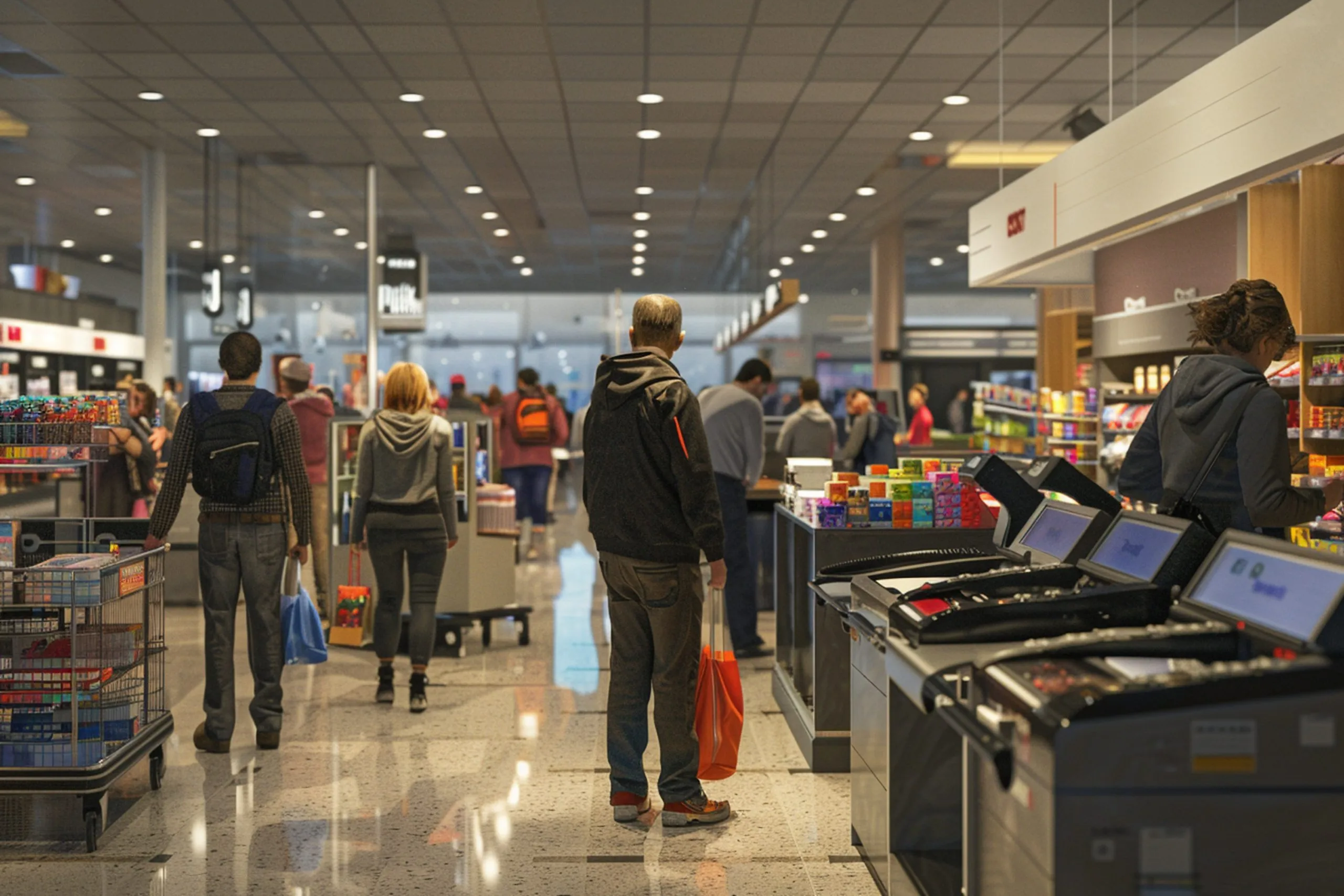
The UAE duty free and travel retail market is gaining strong momentum as international tourism, premium airport shopping, and passenger traffic continue to expand. Duty free and travel retail outlets offer products such as perfumes, cosmetics, liquor, tobacco, confectionery, fashion, luxury goods, electronics, and souvenirs across airports, cruise terminals, and other travel hubs. Dubai Duty Free reported record sales of USD 2.4 billion in 2025, highlighting the country’s strength as a global travel retail hub. As airports become more experience-led, retail is becoming a central part of the UAE’s passenger journey.
Key market drivers are strengthening duty free and travel retail demand in the UAE
Global passenger traffic is supporting airport retail growth
The UAE benefits from its position as a major international aviation and tourism hub, with Dubai and Abu Dhabi serving as key gateways between Asia, Europe, Africa, and the Americas. This strong connectivity creates consistent demand for duty free and travel retail across airports. Travelers often purchase perfumes, cosmetics, liquor, fashion accessories, confectionery, electronics, and gifts because airport retail offers convenience, trusted brands, and curated product ranges. High passenger volumes, longer layovers, and premium terminal environments also improve retail visibility. For many international travelers, airport shopping remains part of the UAE travel experience.
Premium beauty, luxury, and gifting categories are driving basket values
Premium categories remain central to the UAE duty free and travel retail market. Beauty, fragrances, skincare, liquor, luxury accessories, watches, confectionery, and electronics are attractive to both transit passengers and international visitors. These products benefit from gifting demand, travel-exclusive packs, promotional bundles, and strong brand recognition. The UAE’s reputation for premium shopping also supports higher basket values. Retailers that combine global brands with localized assortments, exclusive launches, and engaging product displays can strengthen passenger conversion and brand recall.
Digital pre-order and omnichannel retail are improving convenience
Digital retail tools are reshaping airport shopping in the UAE. Pre-order platforms, click-and-collect services, loyalty-linked offers, mobile promotions, and personalized recommendations allow travelers to browse before reaching the airport and complete purchases more efficiently.
Government and airport investments are supporting market growth
Government-led tourism strategies, airport expansion, and transport infrastructure investments are supporting the long-term development of the UAE duty free and travel retail market. The country continues to strengthen its role as a global aviation, tourism, and business destination through airport modernization, route expansion, and passenger experience improvements. Better terminals, larger retail zones, and stronger commercial planning help increase dwell time and store visibility. While duty free operators must comply with customs, excise, aviation security, and import regulations, the UAE’s advanced travel infrastructure supports stronger retail participation from global brands.
Competitive landscape is becoming more premium and experience focused
The UAE duty free and travel retail market includes global duty free operators, airport concessionaires, luxury brands, beauty companies, liquor and tobacco brands, electronics retailers, fashion houses, confectionery companies, and local specialty brands. Competition is shaped by terminal location, brand mix, pricing, exclusivity, promotions, digital integration, and passenger traffic. Retailers are focusing on premium store formats, travel-exclusive products, immersive displays, loyalty programs, and faster checkout services. Airports are also using retail partnerships to improve passenger experience while strengthening commercial revenue from shopping, dining, and services.
Market challenges continue to affect margins and passenger conversion
Travel demand can remain exposed to external disruptions
Duty free and travel retail sales depend heavily on international passenger flows. Airline disruptions, geopolitical tensions, currency movement, visa rules, economic slowdowns, or public health events can affect travel frequency and retail spending.
Price comparison and time pressure influence purchases
Travelers can compare prices online before buying, while many passengers have limited time before boarding or during transfers. Retailers need clear value, fast checkout, and targeted promotions to improve conversion.
Future outlook
The future outlook for the UAE duty free and travel retail market remains positive, supported by tourism growth, airport expansion, premium product demand, and digital retail adoption. Opportunities are expected across beauty, fragrances, liquor, luxury accessories, watches, confectionery, electronics, souvenirs, and online pre-order services. As the Middle East and Africa travel retail market moves toward USD 15.59 billion by 2031, UAE businesses that combine strong brand partnerships, exclusive products, localized assortments, digital convenience, and engaging in-store experiences will be better positioned to capture long-term growth.
Consultants at Nexdigm, in their latest publication “UAE duty free and travel retail market outlook to 2035,” analyze the sector by By Product Category (Beauty and Personal Care, Perfumes and Cosmetics, Wine and Spirits, Tobacco Products), By Store Format (Airport Duty Free Stores, Border Duty Free Stores, Cruise and Seaport Retail Stores)
Nexdigm suggests that businesses in the UAE duty free and travel retail market should focus on premium beauty, liquor, luxury goods, electronics, and travel-exclusive products to engage global travelers.
To take the next step, simply visit our Request a Consultation page and share your requirements with us.
Harsh Mittal
+91-8422857704