
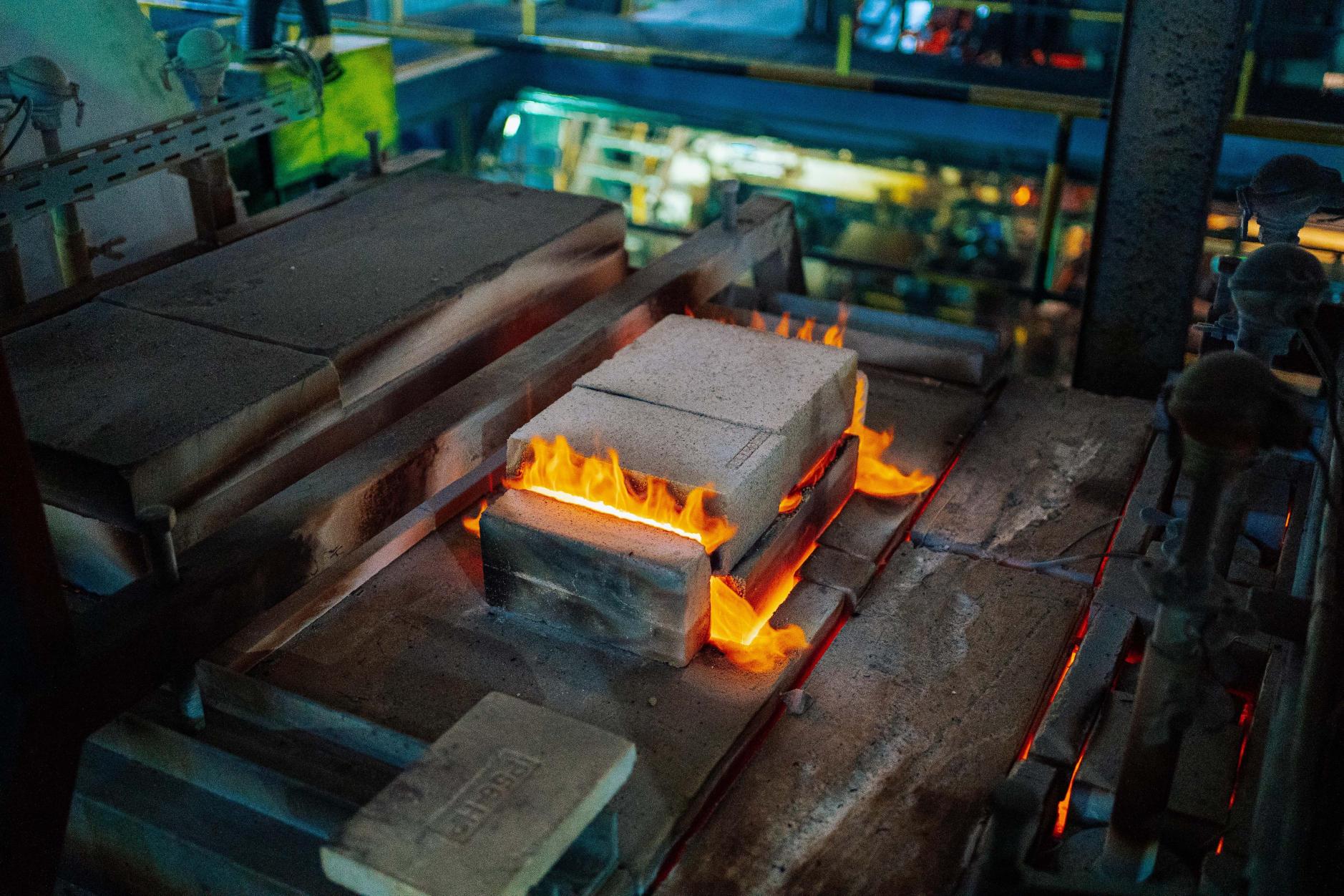
The UAE fire clay market plays an important role in supporting the country’s expanding industrial and manufacturing sectors. Fire clay is widely used in refractory products that withstand high temperatures in industries such as steel, cement, ceramics, glass, and petrochemicals. The UAE produced approximately 13.4 million tonnes of hydraulic cement, 3.72 million tonnes of raw steel, and 2.69 million tonnes of primary aluminum, highlighting strong demand for heat-resistant materials across industrial operations. Growing infrastructure investments and manufacturing diversification continue to create opportunities for fire clay suppliers and refractory product manufacturers throughout the country.
Market Drivers Supporting UAE Fire Clay Industry
Expanding Steel, Cement, and Aluminum Industries
The UAE’s industrial sector remains a major consumer of fire clay products due to the extensive use of refractory materials in furnaces, kilns, and high-temperature processing equipment. Cement plants, steel mills, and aluminum smelters depend on fire-clay-based refractories to maintain operational efficiency and reduce downtime. The country’s production of 13.4 million tonnes of cement and 3.72 million tonnes of steel demonstrates the scale of industrial demand supporting market growth. As construction, infrastructure, and manufacturing activities continue to expand, requirements for durable refractory materials are expected to rise steadily.
Growth of the Ceramics and Minerals Processing Sector
Regions such as Ras Al Khaimah have developed strong ceramics and minerals-processing ecosystems that create consistent demand for fire clay. Ceramic tile manufacturing, sanitaryware production, and industrial mineral processing require refractory linings and kiln materials capable of operating under extreme temperatures. The expansion of these industries is encouraging investments in high-quality refractory solutions and strengthening demand for fire clay.
Infrastructure and Industrial Diversification Initiatives
The UAE’s economic diversification strategy emphasizes the development of advanced manufacturing, logistics, and industrial facilities. Industrial zones across Abu Dhabi, Dubai, and Sharjah are attracting investments in sectors that rely on refractory products. Rising industrial output and the establishment of new production facilities are expected to support long-term consumption of fire clay and related refractory materials.
Government Initiatives UAE Fire Clay Sector
The UAE government continues to promote industrial development through initiatives focused on manufacturing competitiveness, economic diversification, and infrastructure expansion. Programs under the “Operation 300bn” strategy aim to increase the contribution of manufacturing to the national economy. Investments in industrial zones, logistics infrastructure, and advanced manufacturing technologies are creating favorable conditions for industries that consume refractory products, indirectly supporting growth in the fire clay market.
Competitive Landscape of UAE Fire Clay Industry
The UAE fire clay market consists of international refractory suppliers, regional distributors, and local manufacturers serving the steel, cement, ceramics, and petrochemical sectors. Companies compete based on product durability, thermal resistance, supply reliability, and technical support capabilities. Strategic partnerships with industrial operators and the ability to provide customized refractory solutions remain key competitive advantages. Market participants are also focusing on improving product performance and operational efficiency to strengthen their market positions.
Challenges Affecting UAE Fire Clay Growth
Dependence on Imported Raw Materials
The UAE relies significantly on imported refractory raw materials and specialty minerals, making the market vulnerable to global supply chain disruptions, transportation costs, and fluctuations in international commodity prices. These factors can affect production costs and profitability across the value chain.
Volatility in Industrial Demand
Demand fire clay is closely linked to activity levels in construction, manufacturing, and heavy industries. Economic slowdowns, delays in industrial projects, or fluctuations in commodity markets can temporarily impact refractory consumption and market growth prospects.
Future Outlook
The future of UAE fire clay market remains positive, supported by continued industrialization, infrastructure development, and investments in manufacturing capacity. Strong demand from steel, Cement, ceramics, and aluminum industries are expected to sustain consumption of refractory materials over the coming years. Industrial hubs across Abu Dhabi, Dubai, Sharjah, and Ras Al Khaimah will remain important centers for market expansion. As manufacturers increasingly seek high-performance and energy-efficient refractory solutions, opportunities are likely to emerge for suppliers capable of delivering advanced fire-clay-based products tailored to evolving industrial requirements.
Consultants at Nexdigm, in their latest publication “UAE Fire Clay Market Outlook to 2035,” analyze the sector By Product Form (Market Definition and Scope, Fire Clay Market Boundary, Refractory Raw-Material Mapping).
Nexdigm suggests that businesses in the UAE Fire Clay Industry focus on rising demand from construction, steel, cement, and refractory industries. Companies can benefit from investments in advanced processing technologies, high-quality fire clay products, and growing industrial projects requiring durable, heat-resistant materials for efficient high-temperature applications.
To take the next step, simply visit our Request a Consultation page and share your requirements with us.
Harsh Mittal
+91-8422857704