
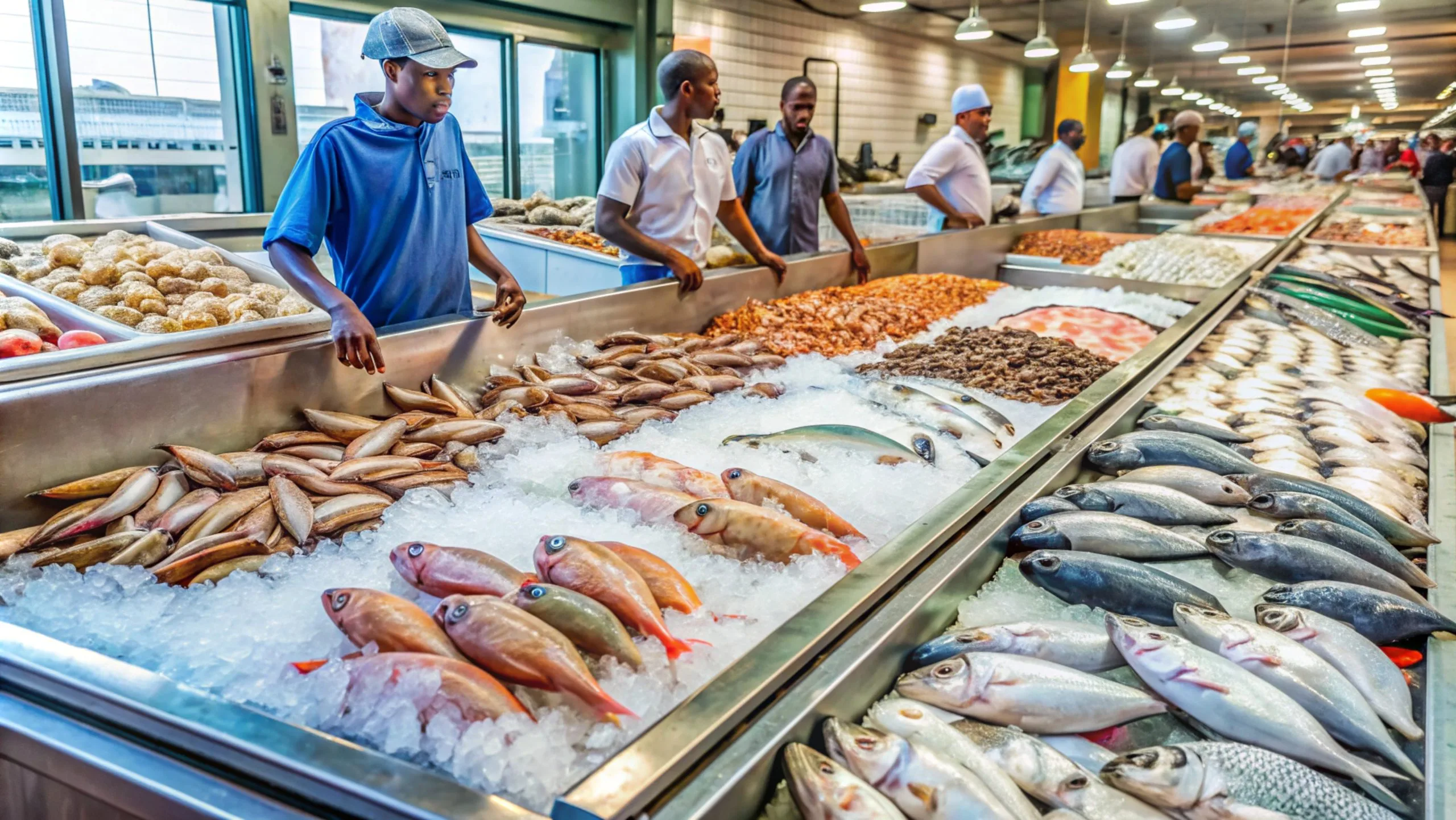
The UAE Frozen Seafood Market has become an integral part of the country’s food ecosystem, supported by strong consumer demand and a heavy reliance on imports. Due to limited domestic production, nearly 70–80 percent of seafood demand is fulfilled through imports, making the UAE a key global trading hub. Frozen seafood plays a dominant role, accounting for around 49 percent of total seafood consumption, driven by convenience and long shelf life. With annual consumption reaching about 220,000 tons and per capita intake exceeding 28 kg, demand remains consistently high. Beyond statistics, seafood is deeply embedded in the UAE’s diverse culinary culture, influenced by both local traditions and a large expatriate population.
Key Drivers Accelerating the UAE Frozen Seafood Market Growth
Rising Dependence on Imports and Global Supply Chains
The UAE Frozen Seafood Market is heavily driven by its dependence on imports, which account for over three-quarters of total supply. This reliance has transformed the UAE into a major seafood trading and re-export hub in the GCC region. A well-developed logistics network and world-class ports support the efficient movement of frozen seafood across the country and neighboring regions. These supply chains ensure year-round availability of diverse seafood products. For consumers, this means access to a wide variety of international seafood, while businesses benefit from steady supply and global partnerships.
High Consumption and Changing Dietary Preferences
The growing health consciousness among UAE residents is another key factor boosting the market. Seafood is increasingly preferred as a lean and protein-rich alternative, contributing to per capita consumption of 28–33 kg annually. Urban lifestyles also favor frozen and ready-to-cook options, making seafood more accessible to busy households. Restaurants and hotels further drive demand, with the foodservice sector accounting for over 60 percent of seafood consumption. This evolving demand pattern reflects a shift toward convenience, quality, and nutrition. It also highlights how consumer habits are reshaping the frozen seafood segment in everyday life.
Expansion of Cold Chain and Retail Infrastructure
Advanced cold chain infrastructure is a cornerstone of the UAE Frozen Seafood Market. Modern storage facilities, refrigerated transport, and organized retail ensure product freshness and quality. Supermarkets, hypermarkets, and online grocery platforms are increasingly offering a wide range of frozen seafood options. This accessibility has made frozen seafood a staple across households and foodservice operators. As infrastructure continues to improve, it is enabling retailers and suppliers to expand their offerings and reach a broader consumer base.
Government Support Driving the UAE Frozen Seafood Market Development
The UAE government has been actively promoting food security and sustainable seafood production through various initiatives. Programs under long-term strategies focus on expanding aquaculture and reducing dependence on imports. Investments in advanced systems such as recirculating aquaculture and marine conservation projects are helping strengthen domestic supply. These policies not only support local production but also enhance the overall resilience of the seafood industry. Government backing is gradually reshaping the market into a more sustainable and self-reliant ecosystem.
Competitive Dynamics in the UAE Frozen Seafood Market
The UAE Frozen Seafood Market is moderately competitive, with both local distributors and international suppliers playing key roles. Importers, wholesalers, and retailers form a well-integrated network that ensures efficient distribution. Fish dominates with over 60 percent market share, while shrimp is emerging as a fast-growing premium segment. Companies are focusing on product quality, certifications, and brand positioning to differentiate themselves. Strategic partnerships with global exporters and foodservice providers are also shaping competitive strategies.
Key Challenges Affecting the UAE Frozen Seafood Market
Heavy Import Dependency and Price Volatility
A major challenge for the UAE Frozen Seafood Market is its dependence on imports, making it vulnerable to global price fluctuations and supply disruptions. Changes in international trade dynamics, shipping costs, and currency fluctuations can directly impact pricing within the domestic market. This creates uncertainty for both businesses and consumers.
Environmental Concerns and Limited Local Production
Limited natural resources and environmental constraints restrict domestic seafood production. Climate-related challenges and marine ecosystem pressures add to the complexity. While efforts are underway to boost aquaculture, scaling local production remains a long-term challenge. Addressing sustainability concerns is critical for ensuring future supply stability.
Future Outlook
The UAE Frozen Seafood Market is expected to witness steady growth, supported by rising consumption, improved infrastructure, and government initiatives. With a market size exceeding 1.4 billion USD, the industry continues to expand gradually. Demand for premium, ready-to-cook frozen seafood is likely to increase, driven by urbanization and evolving lifestyles. Investments in aquaculture and sustainable practices will further enhance supply security. Looking ahead, the UAE is poised to strengthen its role as a regional seafood hub. By balancing imports with local production, the country is building a more resilient and future-ready seafood market.
Consultants at Nexdigm, in their latest publication “UAE Frozen Seafood Market Outlook to 2035,” analyze the sector By Product Type (Frozen Fish, Frozen Shrimp, Frozen Premium Seafood, Frozen Cephalopods), By End User (HoReCa, Retail Consumers, Catering and Institutional Buyers, Food Processors and Cloud Kitchens).
Nexdigm suggests that businesses should strengthen their sourcing strategies in the UAE Frozen Seafood Market by building resilient import networks, leveraging advanced cold chain infrastructure, and aligning product offerings with the country’s high per capita seafood consumption and premium dining trends.
To take the next step, simply visit our Request a Consultation page and share your requirements with us.
Harsh Mittal
+91-8422857704