
The UAE herbicide market is developing as farms, greenhouse operators, landscaping companies, turf managers, municipalities, and facility owners seek effective weed control solutions for agricultural and non-agricultural applications. Herbicides are used across date farms, vegetables, fruits, nurseries, greenhouses, turf, parks, roadside vegetation, and managed landscapes to reduce weed competition and improve land maintenance. The UAE pesticide market is projected to grow from USD 193.18 million in 2025 to USD 246.98 million by 2031, at 4.18% CAGR. Demand is shaped by food security goals, controlled-environment agriculture, urban development, and efficient landscape management.
Key market drivers are strengthening herbicide demand in the UAE
Protected farming and food security goals are supporting agricultural usage
The UAE is investing in controlled-environment agriculture, greenhouse farming, hydroponics, and local food production to improve food security and reduce import dependence. While herbicide use in controlled systems is more selective than in open-field agriculture, weed management remains important around greenhouses, nurseries, irrigation channels, date farms, and vegetable production areas. Growers need reliable products that can help maintain clean production zones without affecting crop safety or residue compliance. As protected farming expands, demand is expected to grow for targeted, compliant, and low-residue herbicide solutions that fit modern agricultural practices.
Landscaping and urban land maintenance are widening applications
The UAE’s urban infrastructure, hospitality projects, residential communities, golf courses, parks, roadsides, and commercial landscapes create steady demand for vegetation and weed control. In these areas, herbicides support clean, safe, and visually maintained outdoor spaces while reducing manual maintenance requirements. Municipalities, facility managers, landscaping contractors, and turf service providers often require products that are easy to apply, effective, and aligned with safety standards. As cities continue to invest in public spaces and premium built environments, weed control will remain an important part of landscape management.
Precision application is improving responsible product use
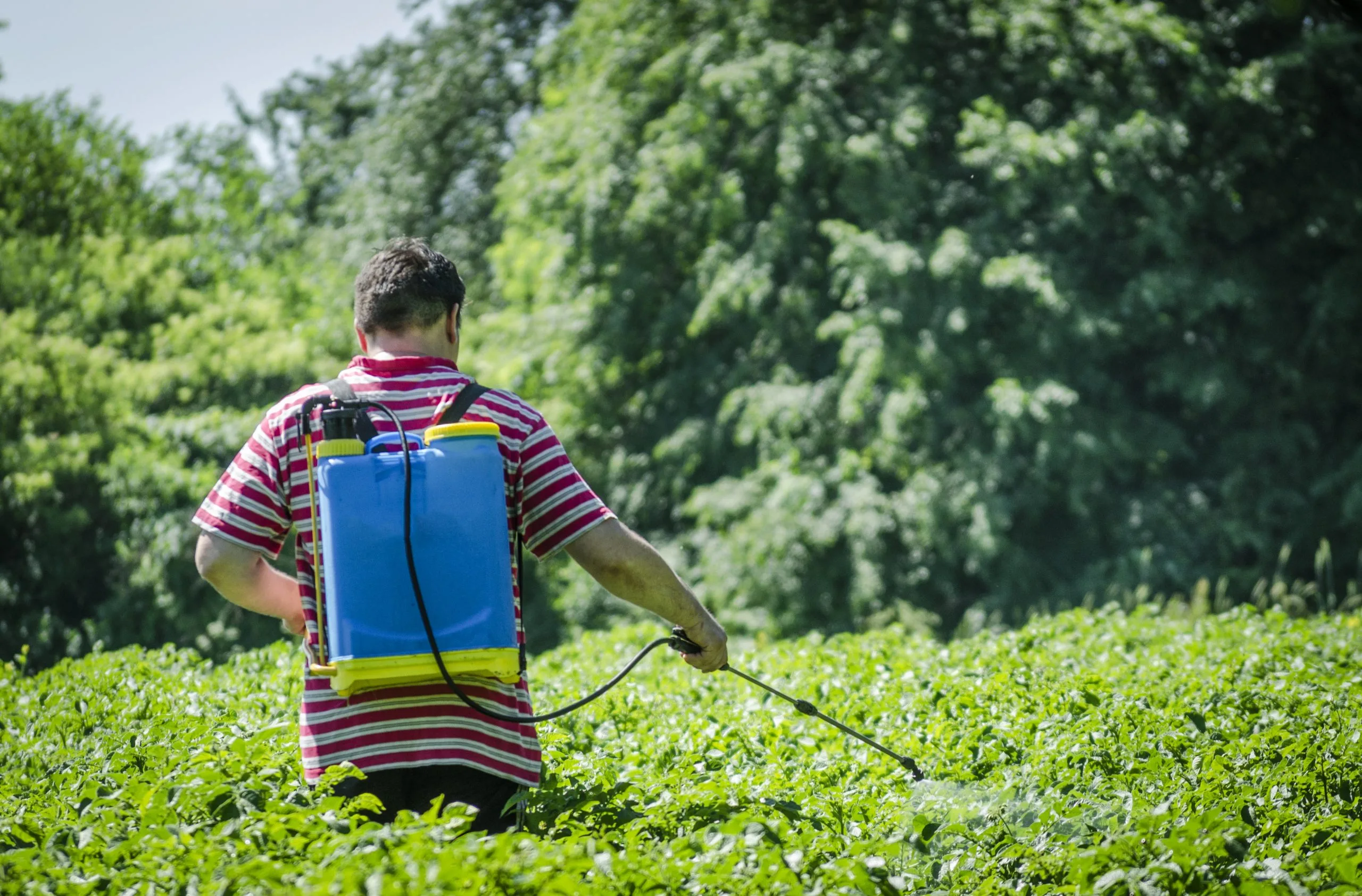
Sprayers, calibrated equipment, digital scheduling, trained applicators, and site-specific treatment plans are helping improve herbicide application quality. These practices reduce waste, support worker safety, and improve control outcomes.
Government initiatives and sustainability priorities are shaping market growth
Government priorities around food security, sustainable agriculture, public health, environmental protection, and urban greening are shaping the UAE herbicide market. Regulations covering pesticide registration, labeling, import approvals, residue limits, safe handling, and application practices influence supplier strategies. Programs supporting modern farming, greenhouse production, and agricultural innovation also create demand for safer crop protection inputs. At the same time, sustainability expectations are encouraging responsible chemical use, trained application, and integrated weed management. Companies that align products with compliance and stewardship requirements can build stronger institutional trust.
Competitive landscape is becoming more specialized and service focused
The UAE herbicide market includes multinational agrochemical companies, importers, distributors, landscaping suppliers, greenhouse input providers, pest and vegetation management firms, and municipal service contractors. Competition is shaped by regulatory approval, product efficacy, safety profile, brand reliability, technical support, availability, and suitability for local climate conditions. Unlike large row-crop markets, the UAE requires more specialized solutions for protected farming, turf, nurseries, date farms, and managed landscapes. Suppliers that combine compliant products with training, application guidance, and service partnerships can improve market positioning.
Market challenges continue to affect responsible herbicide adoption
Limited arable land can restrict agricultural-scale demand
The UAE has limited open-field farming compared with major agricultural economies, which can restrict broad-acre herbicide consumption. Demand is more concentrated in controlled farming, landscaping, and land maintenance segments.
Environmental and safety concerns require careful application
High temperatures, irrigation systems, sensitive landscapes, and public-use areas require safe and precise herbicide use. Improper application can affect plants, soil, water systems, and user confidence.
Future outlook
The future outlook for the UAE herbicide market remains positive, supported by protected farming, food security priorities, urban landscaping, turf management, municipal maintenance, and demand for safer vegetation control. Opportunities are expected across low-residue herbicides, non-selective weed control, greenhouse perimeter management, turf and landscape products, calibrated spraying, integrated weed management, and professional application services. As the UAE pesticide market moves toward USD 246.98 million by 2031, businesses that combine compliance, efficacy, technical training, sustainability, and service-led distribution will be better positioned to capture long-term growth.
Consultants at Nexdigm, in their latest publication “UAE herbicide market outlook to 2035,” analyze the sector By Active Ingredient (Glyphosate, Glufosinate, Dicamba, Atrazine), By Crop Type (Corn, Soybean, Cotton, Wheat and Small Grains)
Nexdigm suggests that businesses in the UAE herbicide market should focus on effective, compliant, and targeted weed control solutions that support protected farming, date farms, nurseries, turf, landscaping, and municipal maintenance.
To take the next step, simply visit our Request a Consultation page and share your requirements with us.
Harsh Mittal
+91-8422857704