
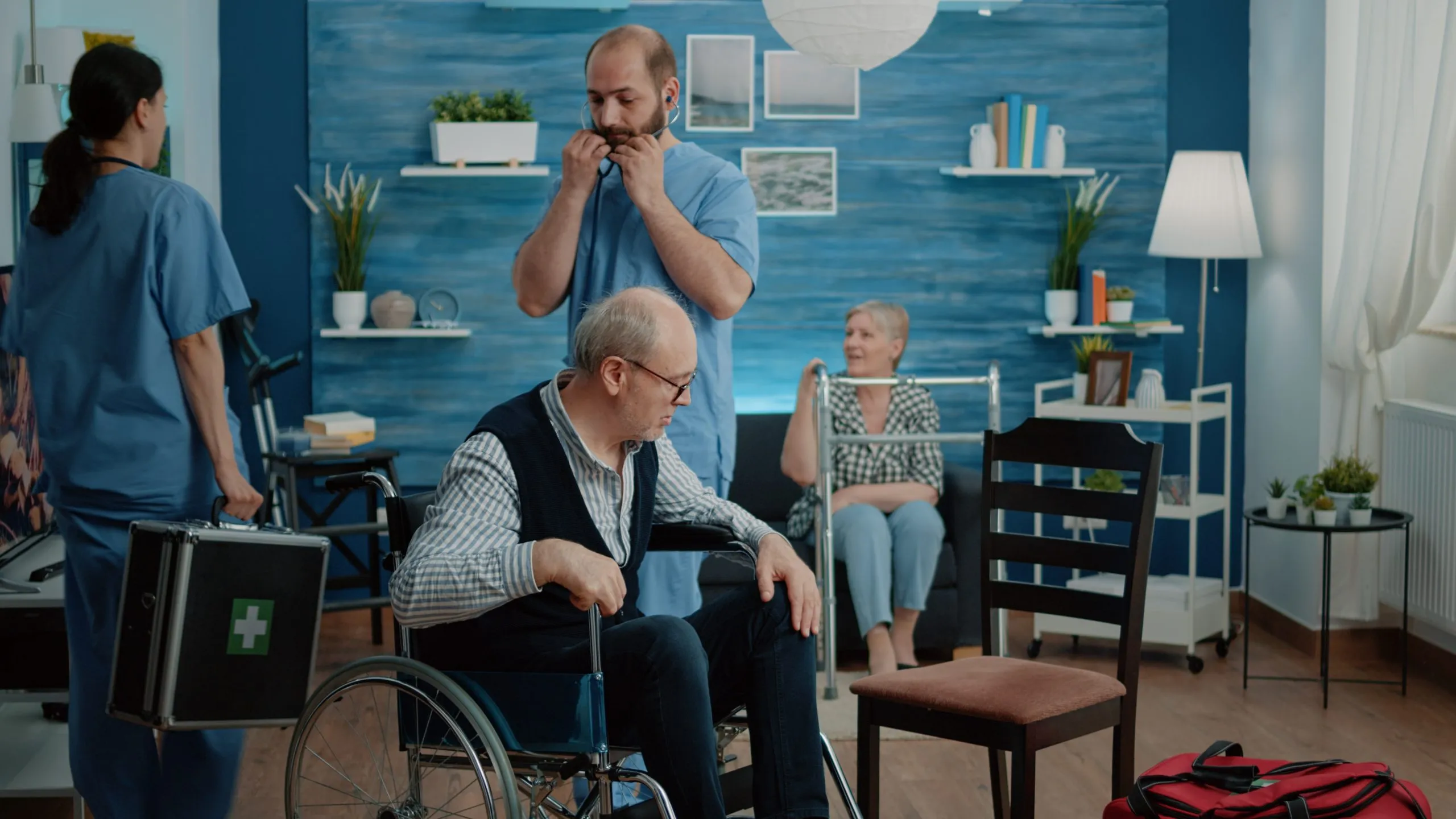
The United Arab Emirates (UAE) home care market is undergoing rapid transformation as healthcare delivery shifts toward patient‑centric, cost‑efficient models. Fueled by demographic changes, increasing prevalence of chronic diseases, and expanding digital health adoption, home care services are becoming a core component of the national healthcare ecosystem. Market forecasts show robust growth through the next decade, driven by insurance reforms and integration of telehealth solutions. With Dubai and Abu Dhabi leading in service demand and deployment, home care is emerging as a strategic alternative to facility‑based treatment, especially for elderly patients, chronic conditions, and post‑acute care needs.
Factors Driving Growth in the UAE Home Care Market
Demographic and Disease Burden Trends
The UAE’s resident population is experiencing an increase in age‑related healthcare needs and chronic condition prevalence, especially diabetes, cardiovascular disorders, and respiratory diseases. Chronic conditions require continuous care and monitoring, making home care services a practical solution outside traditional hospital settings. The aging segment (50+ years) is expanding, contributing to sustained demand for long‑term and supportive care services.
Healthcare Policy & Insurance Expansion
A significant policy development is the implementation of compulsory basic health insurance across the UAE which expanded coverage to millions of residents. This reform has enabled more individuals to access home care services without excessive out‑of‑pocket costs, increasing market penetration and utilization. Insurance support now plays a critical role in enabling chronic care management, rehabilitation, and nursing‑at‑home services.
Digital Health and Technology Adoption
Technological innovation is shaping home care delivery. Telehealth platforms, remote patient monitoring systems, wearable health sensors, and AI‑enabled teleconsultations enhance care continuity and reduce hospital readmissions. High digital infrastructure and widespread smartphone penetration in the UAE support real‑time data access and virtual care, making home care more efficient and scalable.
Regulatory and Policy Support Driving the Home Care Market in the UAE
The UAE government has integrated home care into its broader healthcare transformation strategy, emphasizing decentralized and accessible services. The nationwide health insurance rollout has increased affordability and coverage of in‑home services. Regulatory authorities in Abu Dhabi and Dubai have streamlined licensing frameworks, quality standards, and digital health protocols, lowering barriers for service providers and increasing consumer confidence in home care delivery.
Market Structure and Competitor Analysis of the UAE Home Care Industry
The UAE home care sector comprises a mix of licensed local agencies, hospital‑affiliated providers, and international healthcare groups. Competition is shaped by clinical quality, service range, digital integration, and regional coverage. Larger entities with established regulatory compliance and digital systems hold a competitive lead, particularly in urban centers like Dubai and Abu Dhabi. Smaller, localized providers compete on flexibility, cost-effectiveness, and niche services for specific patient segments.
Challenges Impacting the Expansion of Home Care Services in the UAE Market
Workforce and Cost Constraints
A key challenge is the shortage of trained home care clinicians, including nurses and caregivers, which limits service scalability and consistency. Recruitment largely depends on expatriate labor, leading to variability in availability and operational costs. High operational expenses, logistics complexity, and uneven insurance reimbursement for noncritical home services also constrain broader adoption and market growth.
Future Outlook
Looking ahead, the UAE home care market is expected to sustain strong growth, expanding service portfolios, and geographic coverage. Increased integration of AI, remote monitoring technologies, and personalized care pathways will enhance care outcomes and provider efficiency. Insurance penetration is likely to deepen, with more standardized reimbursement models encouraging long‑term care adoption. As stakeholders emphasize preventive care and hospital‑at‑home models, home care will continue evolving from basic support to clinically enriched, technology‑enabled solutions, supporting UAE’s broader health system goals through the next decade.
Consultants at Nexdigm, in their latest publication “UAE Home Care Market Outlook to 2035,” analyze the sector by Service Type (Personal Care Services, Domestic Help Services, Medical and Healthcare Services, Elderly Care Services), By Mode of Service Delivery (In-home Care, Virtual/Remote Care, Hybrid Models), and By End-User, Corporate Clients, Government & Public Sector Initiatives).
Nexdigm suggests that businesses should align their service offerings with evolving demographic and regulatory trends in the UAE home care market by investing in scalable digital platforms, enhancing clinical capabilities, and structuring flexible care packages that cater to both chronic and preventive care needs. To remain competitive, firms are advised to integrate telehealth and remote patient monitoring into their core services, establish strong partnerships with insurers to broaden coverage, and standardize quality benchmarks to meet regulatory expectations.
To take the next step, simply visit our Request a Consultation page and share your requirements with us.
Harsh Mittal
+91-8422857704