
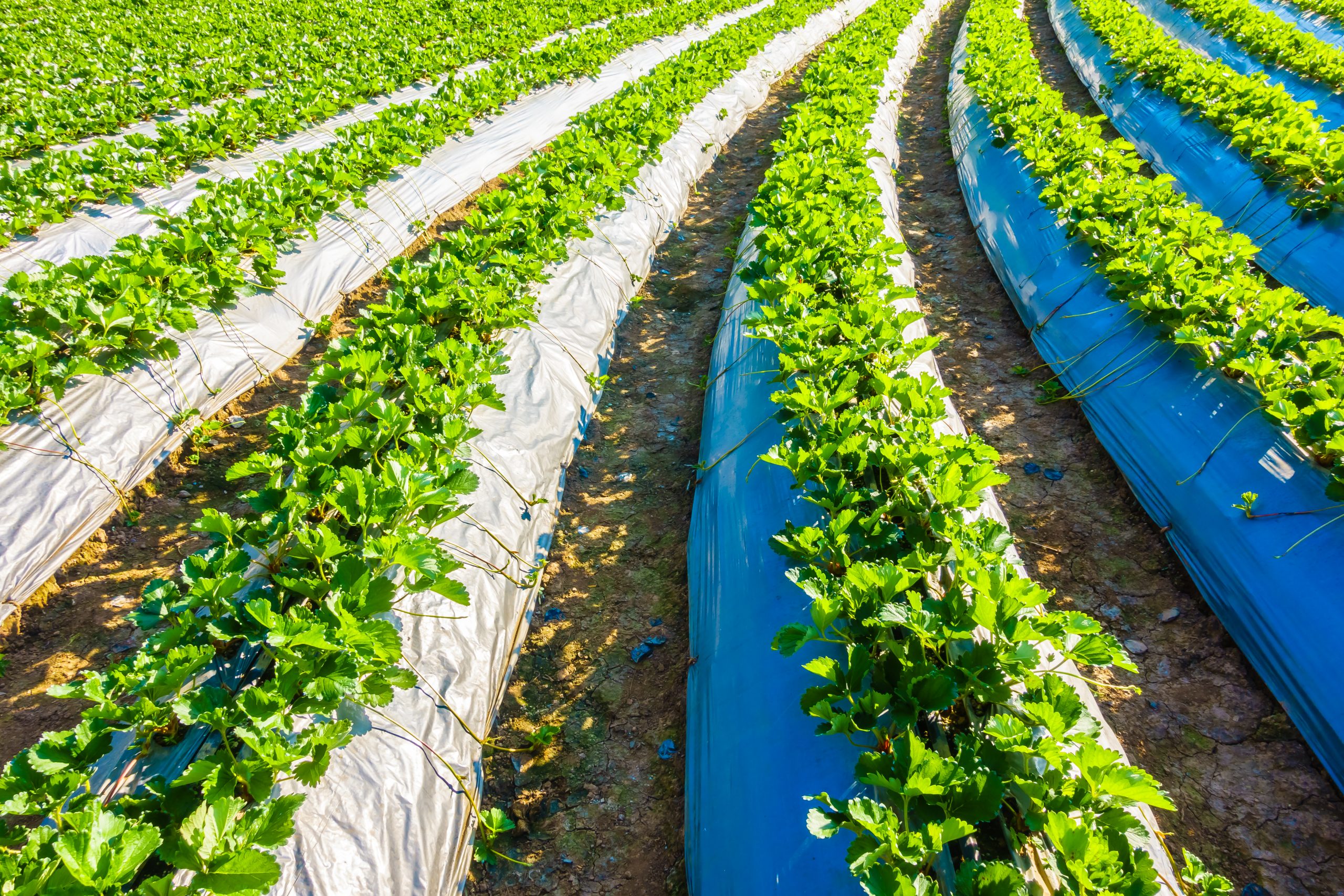
The UAE micro irrigation systems market is witnessing significant growth, driven by increasing water scarcity, sustainable agricultural practices, and rising adoption of precision irrigation technologies. According to Ken Research, the UAE micro irrigation systems market is projected to grow at a compound annual growth rate (CAGR) of approximately 8.5% from 2019 to 2030. Expanding greenhouse farming, government-led water conservation initiatives, and demand for efficient agricultural solutions are strengthening market opportunities. Manufacturers are increasingly focusing on advanced drip irrigation, micro sprinkler systems, and automated technologies to improve agricultural productivity and optimize limited freshwater resources.
Key Market Drivers of UAE Micro Irrigation Systems Market
Increasing Water Scarcity and Demand for Efficient Irrigation
Growing groundwater depletion, limited rainfall, and increasing agricultural water requirements are significantly influencing demand for micro irrigation systems across the UAE. Farmers are adopting drip and micro sprinkler technologies to minimize evaporation losses and improve crop productivity. According to the UAE Ministry of Energy and Infrastructure, agriculture accounts for approximately 61% of national water consumption, with an estimated 94% of agricultural water consumption sourced from groundwater. These conditions highlight the importance of efficient irrigation technologies in reducing groundwater dependency and supporting sustainable agricultural practices.
Expanding Greenhouse Farming and Agricultural Modernization
Greenhouse operators, commercial agricultural farms, date palm plantations, and horticulture businesses represent important demand centers for micro irrigation systems. Precision irrigation technologies enable controlled water delivery and nutrient distribution, improving productivity under challenging climatic conditions. Increasing investments in controlled-environment agriculture, vertical farming, and domestic food production are strengthening demand for advanced irrigation solutions. According to GMI Research, the UAE micro irrigation systems market is forecast to generate approximately USD 35 million in incremental market value between 2025 and 2033, reflecting opportunities for irrigation equipment manufacturers and technology providers.
Rising Adoption of Smart and Automated Irrigation Technologies
Agricultural operators are gradually adopting irrigation systems integrating water efficiency with advanced digital technologies. Manufacturers are developing sensor-based controllers, automated drip systems, soil moisture monitoring devices, and Internet of Things (IoT)-enabled irrigation platforms. These innovations enable farmers to optimize watering schedules, monitor crop requirements, and reduce unnecessary water consumption. Growing interest in precision fertigation, remote irrigation management, and sustainable landscaping is creating opportunities for technology providers across agricultural and commercial applications.
Government Support towards UAE Micro Irrigation Systems Market
The UAE government promotes sustainable water management through the UAE Water Security Strategy 2036, which aims to reduce total water demand by 21% and increase treated wastewater reuse to 95%. The National Food Security Strategy 2051 also encourages agricultural innovation and efficient resource utilization. Additionally, the Ministry of Energy and Infrastructure supports farm rehabilitation and water conservation awareness initiatives. These programs encourage adoption of drip irrigation, automated water management systems, and sustainable agricultural technologies across commercial farms and greenhouse operations.
Competitive Landscape of UAE Micro Irrigation Systems Market
The UAE micro irrigation systems market features international irrigation technology providers, regional agricultural equipment suppliers, and specialized landscaping companies competing through product innovation, water-use efficiency, and distribution capabilities. Leading participants include Netafim, Jain Irrigation Systems, Rivulis, Rain Bird Corporation, The Toro Company, and Hunter Industries. Companies are investing in automated drip irrigation, advanced filtration systems, and smart irrigation controllers to strengthen their competitive positioning. Strategic partnerships, customized irrigation projects, and expanding distribution networks are also shaping competition across agriculture, horticulture, and commercial landscaping applications.
Market Challenges of UAE Micro Irrigation Systems Market
High Installation Costs and Technical Complexity
Micro irrigation manufacturers face challenges related to high initial investment requirements, specialized equipment, and technical expertise. Advanced irrigation systems require pumps, filtration units, sensors, and automated controllers, increasing installation expenses. Smaller agricultural operators may struggle with financing, maintenance, and system operation.
Groundwater Salinity and Supply Chain Dependence
High groundwater salinity and mineral accumulation can cause emitter clogging and reduce irrigation efficiency. Dependence on imported equipment, plastic components, and electronic controllers also exposes suppliers to price fluctuations and transportation disruptions. Regular maintenance and specialized filtration systems create additional operational costs.
Future Outlook
The UAE micro irrigation systems market is expected to maintain positive expansion through 2035, supported by water conservation priorities, agricultural modernization, and increasing investment in sustainable food production. According to Nexdigm, the market is projected to register approximately 8.5% CAGR from 2019 to 2030, indicating strong growth potential. Future opportunities will increasingly focus on automated drip irrigation, smart sprinkler systems, IoT-enabled monitoring, and precision fertigation technologies. Expanding greenhouse cultivation, sustainable landscaping, and government-backed water efficiency initiatives will further strengthen market development. Companies prioritizing technological innovation, affordability, efficient water management, and distribution expansion are likely to gain competitive advantages.
Consultants at Nexdigm, in their latest publication “UAE Micro Irrigation Systems Market Outlook to 2035,” analyze the sector By By Application Type (Agricultural Crops, Raw Crops, Fruits and Orchards, Vegetable and Horticulture Crops, Municipal Green Spaces), By Farm Size (Large Commercial Farm, Medium Sized-Farm, Small-Farms, Greenhouse Operators, Specialty Corps Farm)
Nexdigm suggests that businesses in the UAE Micro Irrigation Systems Market Outlook to 2035 should prioritize smart irrigation technologies, affordable solutions, strategic partnerships, and distribution expansion to capitalize on rising water conservation requirements, sustainable agriculture investments, and growing precision farming demand.
To take the next step, simply visit our Request a Consultation page and share your requirements with us.
Harsh Mittal
+91-8422857704