
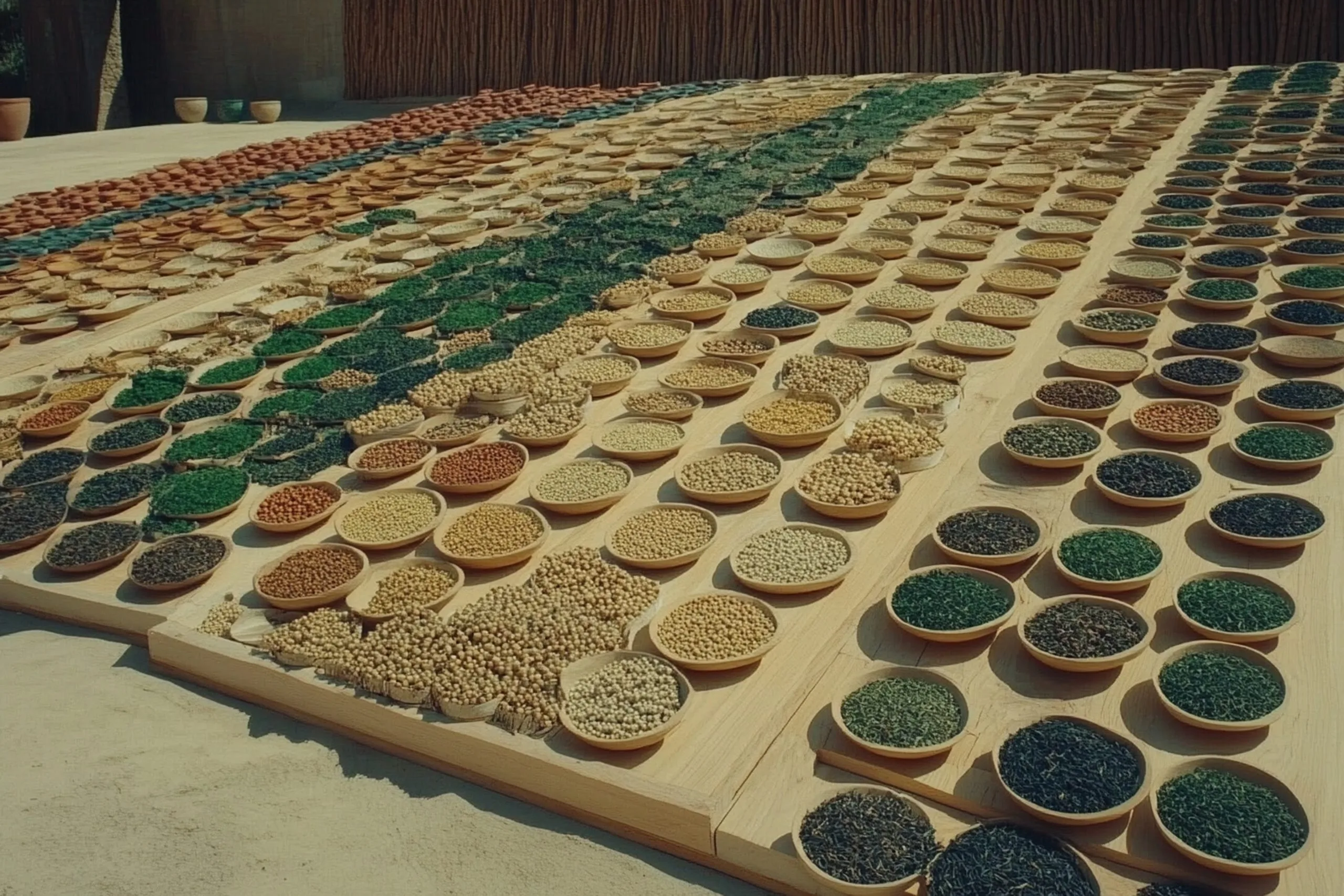
The UAE micronutrient fertilizer market is steadily expanding as the country accelerates efforts to strengthen food security and promote sustainable agriculture in arid conditions. With greenhouse cultivation exceeding 1,300 hectares and hydroponic farming projects growing across Abu Dhabi and Dubai, demand for specialized plant nutrition solutions is increasing rapidly. Rising cultivation of fruits, vegetables, and date palms has further boosted the adoption of micronutrients such as zinc, iron, boron, and manganese to address nutrient deficiencies in alkaline soils. As farmers increasingly adopt controlled-environment agriculture and water-efficient farming techniques, micronutrient fertilizers are becoming essential for improving crop quality, yield, and resource efficiency. These trends are expected to create significant growth opportunities across the market.
Key Market Drivers Shaping the UAE Micronutrient Fertilizer Market
Expansion of Greenhouse and Hydroponic Farming
One of the primary drivers of market growth is the rapid expansion of protected agriculture across the UAE. Greenhouse cultivation now exceeds 1,300 hectares, while hydroponic projects continue to expand to meet domestic food production goals. These advanced farming systems require precise nutrient management, increasing demand for micronutrient fertilizers. Micronutrients play a critical role in maintaining plant health within controlled growing environments, where nutrient deficiencies can directly affect productivity. As investment in greenhouse and hydroponic farming continues to rise, demand for specialty fertilizers is expected to grow accordingly.
Rising Focus on Food Security and Agricultural Diversification
The UAE government has prioritized food security as part of its long-term development strategy. Efforts to reduce dependence on imported food have encouraged greater investments in local agricultural production and climate-smart farming practices. This shift is creating strong demand for nutrient management solutions that can improve productivity in challenging desert conditions. Micronutrient fertilizers help farmers maximize yields while maintaining crop quality, making them an important component of modern agricultural systems.
Growing Demand from High-Value Crops and Date Palm Cultivation
The cultivation of fruits, vegetables, and date palms continues to support market demand. The UAE is home to approximately 40 million date palm trees, making date production a significant agricultural activity across the country. Zinc and iron fertilizers are particularly important for improving crop development and nutrient uptake in alkaline soils. As growers increasingly focus on producing high-quality crops for domestic consumption and export markets, adoption of micronutrient fertilizers is expected to increase further.
Government Support Strengthening the UAE Micronutrient Fertilizer Market
Government-led agricultural modernization programs are playing a vital role in supporting market growth. Initiatives focused on food security, water-efficient agriculture, and controlled-environment farming have encouraged wider adoption of advanced nutrient management solutions. Authorities are also promoting sustainable farming practices and resource-efficient agricultural technologies. These efforts are helping farmers improve productivity despite limited arable land and challenging climatic conditions, creating favorable conditions for micronutrient fertilizer suppliers.
Competitive Landscape of the UAE Micronutrient Fertilizer Market
The market features the presence of international fertilizer manufacturers, specialty crop nutrition companies, and regional agricultural input suppliers. Competition is primarily driven by product innovation, nutrient efficiency, technical support services, and customized solutions for arid farming conditions. Major suppliers are increasingly offering chelated micronutrients and water-soluble formulations designed for fertigation and hydroponic systems. Strategic partnerships with commercial farms and greenhouse operators are also helping companies strengthen their market presence.
Market Challenges Affecting the UAE Micronutrient Fertilizer Market
Challenging Soil Conditions and Water Scarcity
The UAE’s soils are predominantly alkaline and calcareous, which can limit micronutrient availability and reduce nutrient uptake by crops. Farmers often require specialized formulations and precise application methods to overcome these challenges. At the same time, water scarcity remains a major concern, making efficient fertilizer utilization essential for sustainable agricultural production.
High Costs of Advanced Agricultural Inputs
Advanced micronutrient products, hydroponic systems, and precision farming technologies can involve higher upfront investments. For smaller agricultural operations, these costs may limit the adoption of premium nutrient-management solutions. Continued technological advancements and government support programs will be important in improving accessibility and adoption rates across the sector.
Future Outlook
The outlook for the UAE micronutrient fertilizer market remains highly positive, supported by growing investments in protected agriculture, hydroponics, and sustainable food production systems. Continued expansion of greenhouse farming, coupled with increasing demand for high-quality fruits, vegetables, and date palms, is expected to drive market growth. Furthermore, advancements in fertigation technologies, precision agriculture, and water-soluble nutrient formulations are likely to create new opportunities for manufacturers and distributors. As the UAE continues its journey toward greater agricultural self-sufficiency and climate-smart farming, micronutrient fertilizers will remain a critical component of modern crop nutrition strategies.
Consultants at Nexdigm, in their latest publication “UAE Micronutrient Fertilizer Market Outlook to 2035 South Africa Micronutrient Fertilizer Market Outlook to 2035,” analyze the sector By Nutrient Type (Zinc Fertilizers, Iron Fertilizers, Boron Fertilizers, Manganese Fertilizers, Copper Fertilizers), By Crop Type (Fruits & Vegetables, Date Palm Cultivation, Greenhouse Crops, Cereals & Forage Crops, Turf & Landscaping, Ornamental Plants).
Nexdigm suggests that businesses should focus on developing micronutrient solutions tailored for greenhouse crops, hydroponic systems, and date palm cultivation while strengthening partnerships with commercial farms and controlled-environment agriculture operators. Investing in water-soluble and chelated formulations, along with precision nutrient management technologies, can help companies capitalize on the UAE’s growing focus on food security, sustainable agriculture, and resource-efficient crop production.
To take the next step, simply visit our Request a Consultation page and share your requirements with us.
Harsh Mittal
+91-8422857704