
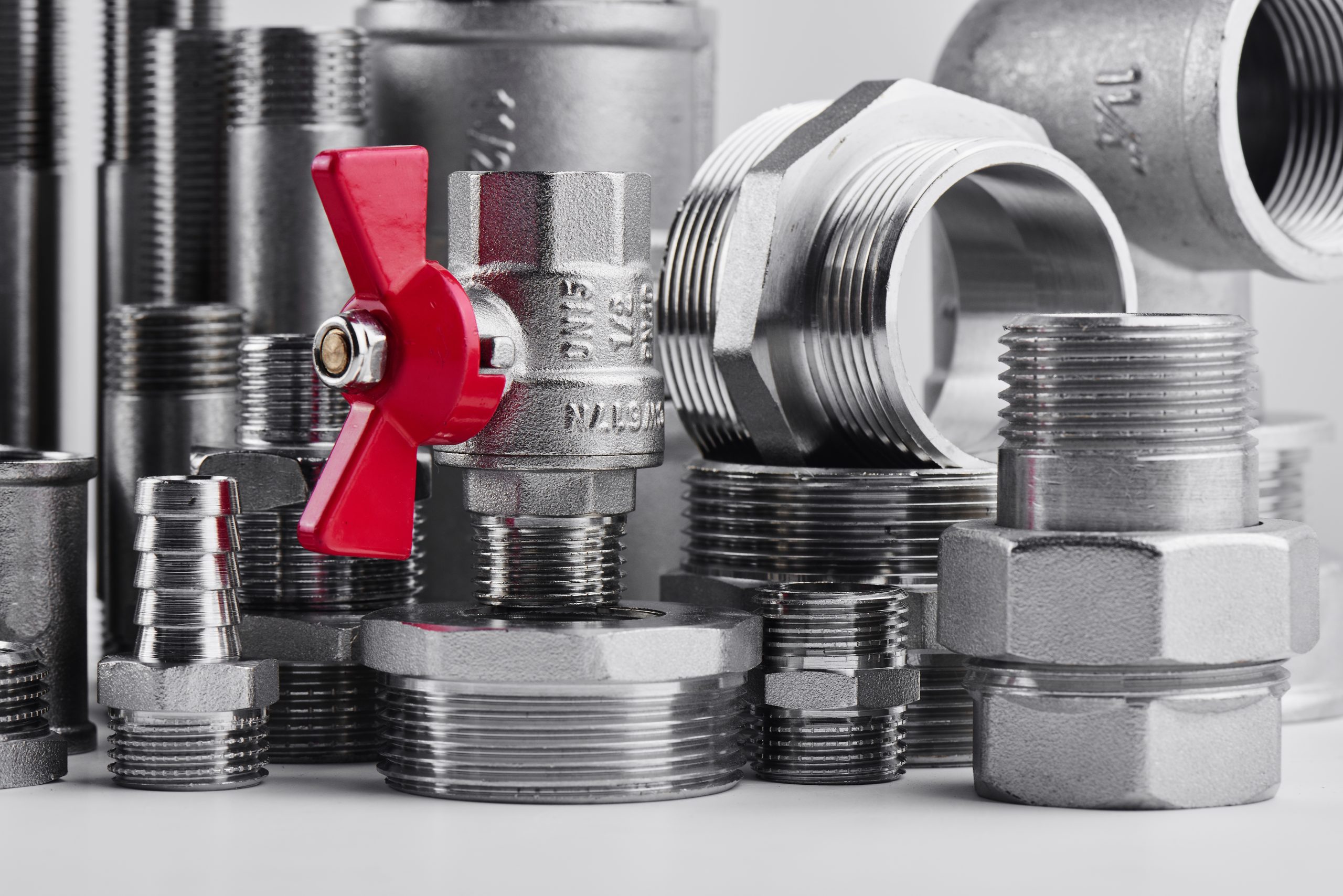
The UAE plastic pipes and fittings market is expanding as water demand, urban development, housing, and infrastructure investment continue to rise. PVC, HDPE, PPR, and other plastic piping systems are increasingly used because they are lightweight, corrosion-resistant, durable, and suitable for harsh climatic conditions. Dubai’s average daily water demand reached about 442 million imperial gallons in 2025, up nearly 7% from the previous year. Peak daily demand also reached 487 million imperial gallons, highlighting the need for stronger water distribution and utility networks.
Major Growth Drivers of the UAE Plastic Pipes and Fittings Industry
Rising Water Demand Is Expanding Distribution Networks
Water demand is one of the clearest drivers of plastic pipe consumption in the UAE. Dubai’s average daily water demand increased from about 414 million imperial gallons in 2024 to 442 million in 2025, while peak demand increased by around 7%. Higher consumption requires continued investment in transmission lines, local distribution networks, service connections, and storage infrastructure. HDPE and PVC pipes are particularly suitable for these applications because they resist corrosion and can be installed efficiently across large-scale utility projects.
Construction and Urban Growth Support Plumbing Demand
Ongoing residential, commercial, hospitality, and mixed-use construction continues to generate demand for plumbing and drainage systems. Plastic pipes are widely used for potable water, wastewater, HVAC, irrigation, and building-service applications. Dubai added more than 56,000 electricity and water customer accounts in 2025, taking DEWA’s total customer base above 1.3 million. This expanding customer base reflects continued urban and property development, supporting demand for pipes, fittings, valves, and associated plumbing products.
Water Reuse Creates New Infrastructure Opportunities
The UAE is also increasing its focus on treated-water reuse. National strategy targets raising treated-water reuse to 95%, which could expand demand for dedicated networks serving landscaping, district cooling, industrial uses, and other non-potable applications. Plastic piping is well suited to these networks because of its chemical resistance, durability, and relatively low maintenance requirements.
Government Initiatives Supporting the UAE Plastic Pipes and Fittings Market
The UAE Water Security Strategy aims to reduce total water demand by 21%, raise treated-water reuse to 95%, and strengthen national storage and distribution capacity. The strategy also includes plans for six connecting networks between water and electricity entities across the country. These initiatives support continued investment in efficient water transmission, reuse, storage, and emergency distribution systems, creating opportunities for manufacturers of plastic pipes and fittings.
Competitive Insights of the UAE Plastic Pipes and Fittings Industry
The UAE plastic pipes and fittings industry includes domestic manufacturers, regional suppliers, international brands, distributors, and construction-material companies. Competition focuses on product durability, pressure performance, technical standards, pricing, product range, and delivery capability. Manufacturers offering PVC, HDPE, PPR, drainage, sewerage, irrigation, and industrial piping solutions are increasingly targeting both infrastructure and building applications. Strong contractor relationships and local distribution remain key competitive advantages.
Challenges Affecting the UAE Plastic Pipes and Fittings Market
Raw Material Prices Can Pressure Profitability
PVC, polyethylene, and polypropylene prices remain linked to petrochemical feedstocks and global energy markets. Changes in resin prices, freight costs, and currency movements can pressure manufacturer margins and project pricing.
Strict Quality Requirements Raise Compliance Costs
Water and building applications require reliable products that meet technical and safety standards. Testing, certification, and maintaining consistent performance under high temperatures can increase production and compliance costs for suppliers.
Future Outlook
In the coming years, the UAE plastic pipes and fittings market is likely to benefit from sustained investment in water security, urban development, construction, and treated-water reuse. Rising utility demand means that the opportunity extends well beyond new buildings to network upgrades, replacement projects, and more efficient distribution systems. Dubai’s water demand has already grown by nearly 7% annually, while national policy aims to reuse 95% of treated water. Suppliers offering durable, heat-resistant, cost-efficient, and standards-compliant piping systems should be well positioned as the UAE expands and modernizes its water and utility infrastructure.
Consultants at Nexdigm, in their latest publication “UAE Plastic Pipes and Fittings Market Outlook to 2035,” analyze the sector By Material Type (PVC, CPVC, HDPE, MDPE and PVCO Pipes and Fittings), By Product Type (Pressure, Non-Pressure, Corrugated, DXV Pipes), By Application Type (Municipal Water Distribution System, Residential Plumbing Systems and Electric Conduit Systems).
Nexdigm suggests that businesses in the UAE Plastic Pipes and Fittings Industry should target urban water and housing projects, strengthen distribution networks, improve product quality, develop cost-efficient piping solutions, and invest in durable materials to capture infrastructure-led growth opportunities.
To take the next step, simply visit our Request a Consultation page and share your requirements with us.
Harsh Mittal
+91-8422857704