
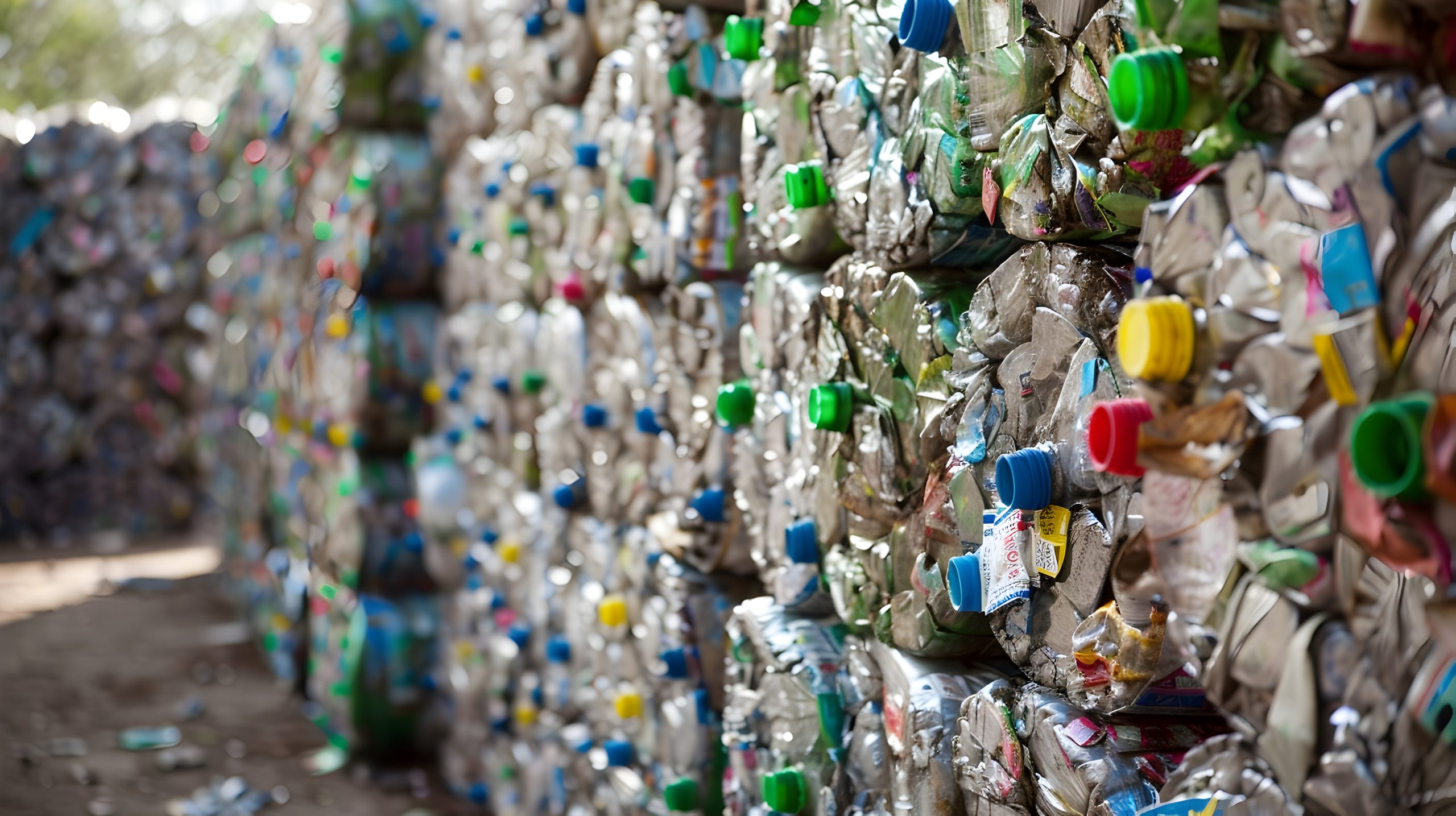
The UAE plastics market is moving into a new phase as petrochemical expansion, infrastructure investment, manufacturing, and export demand create opportunities across the value chain. Its established polyolefin industry already supplies materials for packaging, construction, energy, agriculture, and industrial applications. Borouge produced a record 5.2 million tonnes in 2024, while ongoing expansion is expected to lift annual polyolefin capacity beyond 6.6 million tonnes by 2028. Combined with the UAE’s wider push to diversify its industrial economy, this capacity is helping the country strengthen its role as a major plastics production and export hub.
Key Drivers Promoting Plastics Demand in the UAE Market
Infrastructure Investment Keeps Polymer Demand Strong
The UAE’s continuing investment in construction, utilities, transportation, and energy creates a broad market for plastic products. Polymers are widely used in pipes, cables, insulation, geomembranes, and other infrastructure applications where durability, corrosion resistance, and low weight are important. As cities expand and industrial projects become more sophisticated, demand is also moving toward specialized polymer solutions capable of performing reliably under the region’s demanding climatic and operating conditions.
Packaging Shifts Toward Smarter Material Choices
Food and beverages, retail, logistics, healthcare, and consumer products continue to generate significant packaging demand. Yet the way businesses approach packaging is changing. Restrictions on selected single-use plastics and greater attention to waste are encouraging brands and manufacturers to reconsider material choices. Recyclable packaging, lightweight designs, reusable formats, and products that use less material without compromising performance are becoming increasingly relevant.
Expanding Capacity Gives UAE Plastics a Wider Global Reach
A strong petrochemical base and well-developed trade infrastructure give UAE producers access to both feedstocks and international customers. Borouge 4 is designed to add 1.4 million tonnes of annual polyethylene capacity. Along with other expansion projects, Borouge expects its overall polyolefin capacity to exceed 6.6 million tonnes annually by 2028, providing a larger platform for serving customers across the Middle East, Africa, Asia, and other international markets.
The UAE Government Policies Supporting Plastics Manufacturing in the Country
Industrial diversification is central to the UAE’s long-term economic strategy. Under Operation 300Bn, chemicals, rubber, and plastics are among the priority industries, with the broader strategy seeking to raise the industrial sector’s GDP contribution from AED 133 billion to AED 300 billion by 2031. Emirates Development Bank’s AED 30 billion financing portfolio for priority sectors also supports investment in areas including petrochemicals, manufacturing capacity, technology, and industrial development.
Competitive Players within the UAE Plastics Industry
The UAE plastics landscape includes integrated petrochemical producers, converters, packaging manufacturers, pipe producers, recyclers, and international companies. Feedstock access and production scale remain important advantages, but customers increasingly expect more from suppliers. Material performance, customization, manufacturing efficiency, technical expertise, and sustainability are becoming stronger differentiators. This shift creates room for businesses that can turn the UAE’s large polymer production base into specialized, higher-value solutions for regional and international customers.
Market Challenges Affecting the UAE Plastics Industry’s Growth
Single-Use Restrictions Change the Demand Landscape
Environmental policy is changing parts of the market. From January 1, 2026, UAE restrictions expanded to specified single-use plastic products, including beverage cups and lids, cutlery, straws, stirrers, plates, and certain food containers. For affected manufacturers and users, this means adapting product portfolios, exploring alternative designs, and reconsidering how materials are used.
Circular Growth Calls for Greater Recycling Investment
Building a more circular plastics industry requires reliable collection, sorting, recycling, and markets for recovered materials. Expanding these systems requires investment while manufacturers continue to meet demanding performance and cost requirements. Improving the availability and consistency of recycled materials will therefore remain important as the market evolves.
Future Outlook
In the coming years, the UAE plastics market is likely to build on its production strength while moving further into specialized and higher-value applications. Packaging and infrastructure should remain important demand areas, with energy, agriculture, advanced manufacturing, and industrial applications creating additional opportunities. Planned polyolefin capacity of more than 6.6 million tonnes annually provides a substantial foundation for future growth. The next phase will increasingly depend on how effectively businesses turn that scale into innovative products, expand recycling capabilities, adopt advanced manufacturing technologies, and respond to changing sustainability expectations.
Consultants at Nexdigm, in their latest publication “UAE Plastics Market Outlook to 2035,” analyze the sector By Polymer Type (Polyethylene, High density Polyethylene, Low Density Polyethylene, Polypropylene, Polyurethane and Polyvinyl Chloride), By End User Industry (Consumer Goods, Food and Beverage, Aquaculture, Agriculture and Real Estate)
Nexdigm suggests that businesses in the UAE Plastic Market must invest in advanced manufacturing and higher-value materials. Companies should leverage local feedstock advantages, strengthen export networks, adapt to single-use plastic restrictions, and capture opportunities across packaging, infrastructure, energy, and industrial applications.
To take the next step, simply visit our Request a Consultation page and share your requirements with us.
Harsh Mittal
+91-8422857704