
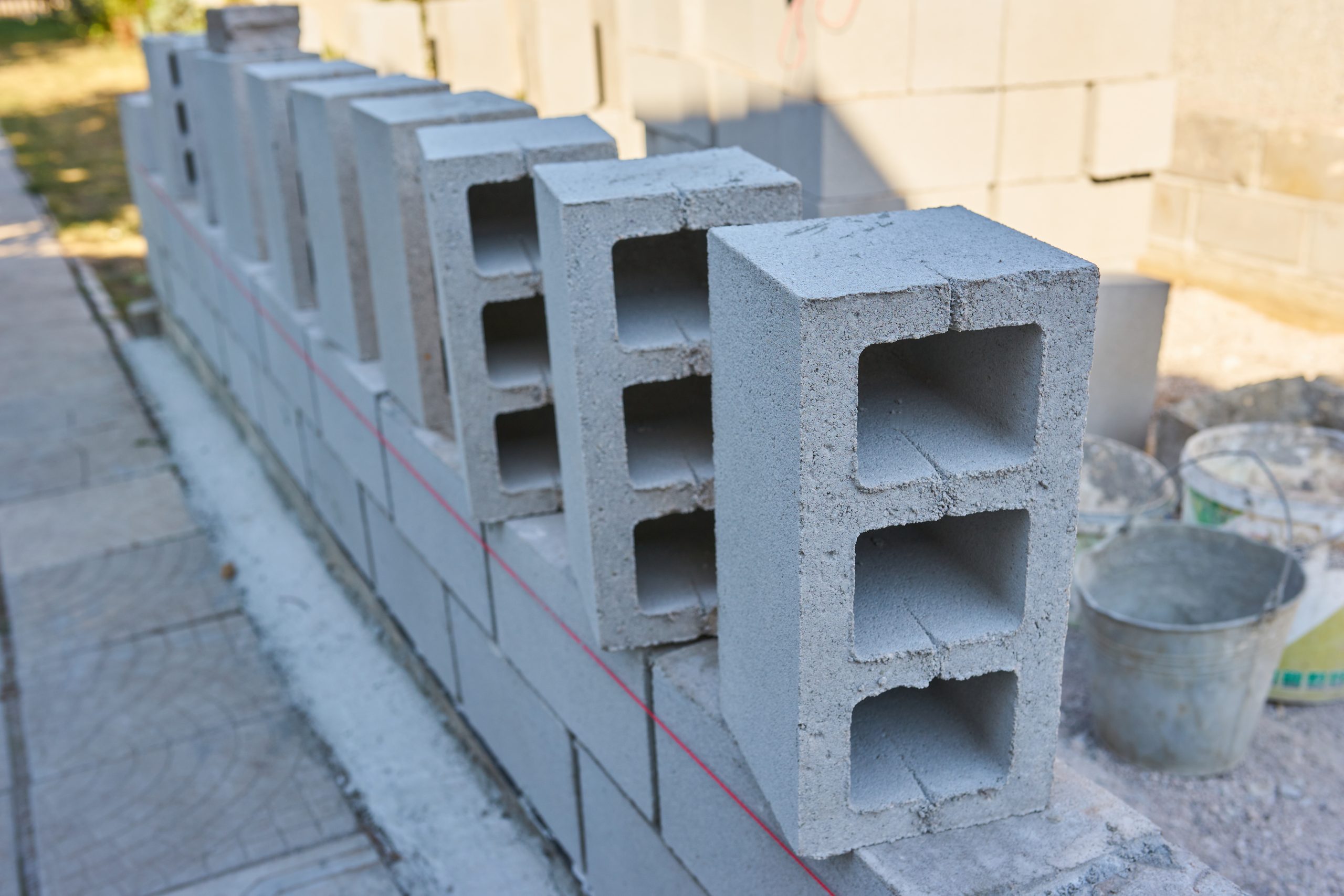
The UAE precast concrete market is experiencing steady growth, supported by rapid urbanization, infrastructure development, and increasing demand for efficient construction technologies. Precast concrete components, including beams, columns, slabs, wall panels, and structural modules, enable faster project execution, improved quality control, and reduced on-site construction requirements. The market was valued at approximately USD 2.2 billion in 2025 and is projected to reach USD 3.12 billion by 2031, growing at a CAGR of 6%. Expanding residential developments, commercial infrastructure, transportation projects, and sustainable construction practices are strengthening long-term market opportunities.
Key Market Drivers of UAE Precast Concrete Market
Infrastructure Development Accelerates Precast Concrete Adoption
The UAE’s expanding infrastructure sector is creating significant opportunities for precast concrete manufacturers. Large-scale investments in transportation networks, highways, bridges, airports, and urban development projects are strengthening demand for standardized construction components. Dubai allocated approximately 46% of its government expenditure in 2025 to infrastructure and related construction projects, highlighting continued investment in urban development. Precast concrete technology enables contractors to reduce construction timelines, improve structural consistency, and minimize on-site labor requirements. Growing emphasis on efficient project execution and high-quality building materials is encouraging wider adoption across major infrastructure projects.
Population Growth and Residential Construction Strengthen Demand
Rapid population growth and increasing urbanization are supporting demand for residential and commercial construction. The UAE’s population reached approximately 11.29 million in 2024, representing an annual increase of 5.7%. Expanding residential communities, high-rise buildings, hospitality facilities, and mixed-use developments are creating opportunities for precast structural systems. Developers increasingly prefer factory-manufactured components that support faster installation, consistent quality, and improved project scheduling. Continued investment in affordable housing, luxury residential developments, and commercial properties is expected to strengthen precast concrete consumption.
Sustainable Construction Technologies Create Additional Opportunities
Growing emphasis on environmentally responsible construction is encouraging adoption of resource-efficient building technologies. Precast manufacturing can reduce material wastage, improve production accuracy, and limit certain on-site construction activities. Increasing use of automation, modular construction systems, and digital engineering solutions is further improving manufacturing efficiency and supporting market diversification.
Government Supporting UAE Precast Concrete Industry Development
Government infrastructure and urban planning initiatives are creating favorable conditions for the UAE precast concrete market. The Dubai 2040 Urban Master Plan anticipates the emirate’s residential population reaching approximately 5.8 million by 2040, supporting long-term requirements for housing, transportation, and public infrastructure. Continued investments in airport expansion, sustainable transportation networks, and integrated urban communities are encouraging modern construction technologies. Government emphasis on resource efficiency, sustainable buildings, and infrastructure modernization is expected to strengthen adoption of prefabricated and precast concrete systems.
Competitive Landscape Across UAE Precast Concrete Industry
The UAE precast concrete market includes established construction enterprises, specialized precast manufacturers, building-material suppliers, and regional engineering contractors. Competition centers on manufacturing capacity, product durability, structural performance, customization capabilities, pricing, and delivery reliability. Manufacturers offering precast walls, beams, slabs, columns, bridge components, and architectural elements can differentiate through automated production, advanced engineering expertise, and consistent product quality. Strategic partnerships, local manufacturing capabilities, and efficient logistics networks are becoming increasingly important for maintaining competitiveness across major construction projects.
Challenges Influencing UAE Precast Concrete Industry
High Manufacturing Investment and Transportation Costs
Establishing precast manufacturing facilities requires substantial capital investment in production machinery, molds, automation equipment, and specialized infrastructure. Transportation of heavy concrete components can increase logistics expenses, particularly for projects located far from manufacturing facilities. Specialized lifting equipment and installation requirements can further increase operational complexity.
Skilled Labor and Project Coordination Requirements
Precast construction requires technical expertise in structural design, component manufacturing, handling, and installation. Limited availability of specialized workers, changing project specifications, and coordination challenges between manufacturers and contractors can affect productivity. Maintaining accurate production schedules and timely deliveries remains essential for efficient project execution.
Future Outlook
The UAE precast concrete market is expected to maintain steady growth, supported by infrastructure modernization, expanding residential construction, and increasing adoption of industrialized building technologies. Continued investments in transportation networks, commercial developments, logistics facilities, and sustainable urban communities should create additional opportunities for manufacturers. Growing integration of automation, modular construction, digital design, and resource-efficient production processes is likely to improve manufacturing productivity and structural quality. Suppliers offering customized precast solutions, reliable local production, advanced technical capabilities, and efficient installation services should remain well positioned to capitalize on emerging opportunities through 2035.
Consultants at Nexdigm, in their latest publication “UAE Precast Concrete Market Outlook to 2035,” analyze the sector By Construction System (Structural Precast Systems, Prestressed Concrete Systems, Total Precast Building Systems, Architectural Precast Systems, Precast Envelope Systems), By Manufacturing Technology (Conventional Wet-Cast Precast, Prestressed Precast, Dry-Cast Concrete, Self-Consolidating Concrete Precast, High-Performance Concrete Precast)
Nexdigm suggests that businesses in the UAE Precast Concrete Industry should strengthen local manufacturing capabilities, invest in automation and sustainable production technologies, target infrastructure and residential construction opportunities, improve logistics efficiency, and develop customized precast solutions to enhance competitiveness and support long-term market expansion.
To take the next step, simply visit our Request a Consultation page and share your requirements with us.
Harsh Mittal
+91-8422857704