
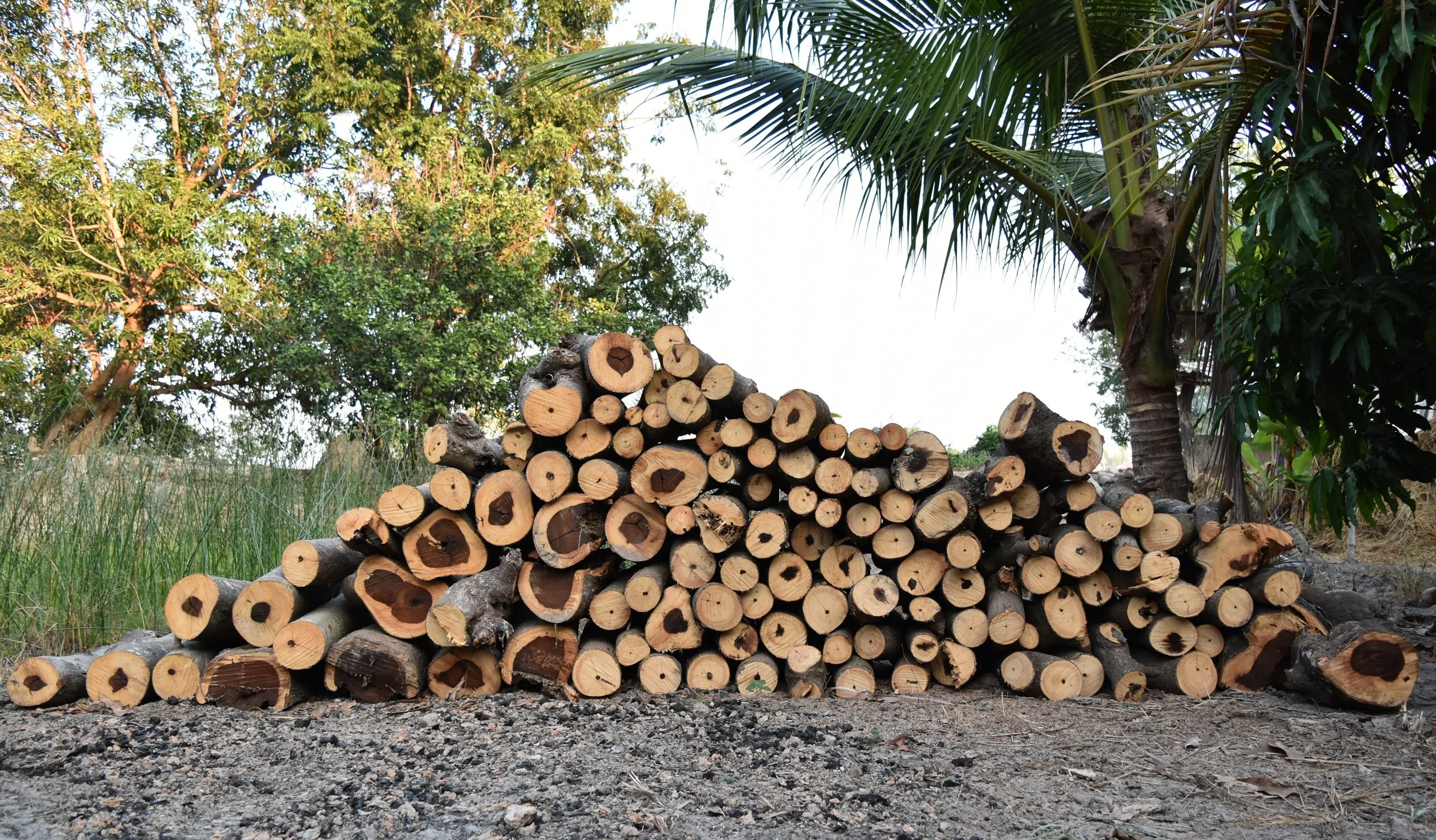
The UAE sawnwood market is developing steadily as construction, real estate, hospitality, retail interiors, furniture, packaging, and infrastructure-linked projects continue to create demand for quality timber products. Sawnwood is used in doors, windows, flooring, wall panels, joinery, furniture, pallets, crates, formwork, decking, and decorative interiors. The UAE recorded one of the highest GCC sawnwood consumption levels at 86 cubic meters per 1,000 persons, while UAE import value reached USD 254 million. Demand is being supported by urban development, premium interiors, logistics activity, and the country’s strong role as an import and re-export hub.
Key market drivers are strengthening sawnwood demand in the UAE
Construction and real estate activity are supporting timber consumption
The UAE’s construction sector remains a major demand center for sawnwood, especially across residential communities, villas, commercial buildings, hospitality projects, retail developments, and renovation activity. Timber is used in flooring, doors, windows, wall finishes, staircases, decking, formwork, temporary works, and interior fit-outs. High-end real estate and hospitality projects often require premium wood finishes that support durability, aesthetics, and design differentiation. GCC sawnwood imports rebounded to 3 million cubic meters, showing the region’s reliance on imported timber to meet construction and interior demand. For contractors and developers, sawnwood remains important when quality, availability, and specification consistency are aligned.
Interiors, furniture, and hospitality projects are widening market relevance
The UAE’s hotel, restaurant, luxury retail, office, and residential interior sectors create strong demand for furniture-grade lumber, joinery timber, hardwood finishes, flooring, wall cladding, and decorative wood products. Developers and interior contractors increasingly look for timber that can meet design expectations while performing well in hot and humid conditions. Coniferous sawnwood represents 73% of GCC imports, reflecting the importance of softwood in construction, joinery, and general-use applications. At the same time, non-coniferous sawnwood remains relevant for premium interiors, furniture, doors, and high-value decorative uses. GCC non-coniferous sawnwood rebounded to 736 thousand cubic meters and USD 336 million in value.
Logistics and packaging demand are adding steady volume
The UAE’s role as a regional trade, logistics, and re-export hub supports regular demand for pallets, crates, wooden boxes, and transport packaging. These applications create steady volume demand beyond construction and interiors.
Government infrastructure and urban development initiatives are supporting market growth
Government priorities around urban development, tourism, logistics, industrial zones, housing, transport infrastructure, and economic diversification are supporting the UAE sawnwood market. Large-scale development projects and continued investment in hospitality, commercial real estate, ports, airports, and warehousing indirectly create demand for construction timber, joinery products, furniture, and packaging materials. Sustainability policies and green building requirements are also increasing interest in certified and responsibly sourced wood. These initiatives encourage suppliers to offer traceable timber, treated products, and value-added wood solutions that meet project quality, safety, and environmental expectations.
Competitive landscape is shaped by importers, distributors, and project-focused suppliers
The UAE sawnwood market includes timber importers, building material distributors, joinery suppliers, furniture manufacturers, interior fit-out companies, pallet producers, construction suppliers, and re-export traders. Competition is shaped by species availability, price, grading quality, moisture control, treatment, certification, delivery reliability, and project specification support. The UAE and Saudi Arabia dominate GCC coniferous imports with 82% share, while UAE coniferous imports reached 764 thousand cubic meters. Suppliers with strong international sourcing networks, warehousing capacity, technical knowledge, and relationships with contractors, developers, and interior firms are better positioned to capture repeat demand.
Market challenges continue to affect pricing and supply planning
Import dependence increases exposure to global market shifts
The UAE depends heavily on imported sawnwood, making the market sensitive to freight rates, exchange rates, supplier-country policies, global timber prices, and shipping disruptions. These factors can affect lead times and project budgets.
Climate performance and certification requirements remain important
Wood products must perform reliably in high temperatures, humidity, and intensive-use environments. Buyers are also asking for more documentation on legality, sustainability, treatment, and certification.
Future outlook
The future outlook for the UAE sawnwood market remains positive, supported by construction activity, premium interiors, hospitality development, logistics growth, and demand for sustainable timber products. Saudi Arabia, the UAE, and Kuwait together account for 91% of GCC sawnwood consumption, showing the UAE’s importance in the regional timber market. GCC sawnwood value is expected to grow at 1.7% CAGR, while import-led supply will continue to shape product availability. Opportunities are expected across coniferous sawnwood, hardwood lumber, treated timber, joinery wood, flooring, decking, pallets, crates, furniture-grade lumber, and certified timber. Businesses that invest in reliable sourcing, inventory planning, treatment, certification, and value-added processing will be better positioned for long-term growth.
Consultants at Nexdigm, in their latest publication “UAE sawnwood market outlook to 2035,” analyze the sector By Wood Species Type (Southern Yellow Pine Sawnwood, Douglas Fir Sawnwood, Spruce-Pine-Fir Sawnwood, Hem-Fir Sawnwood), By Product Form (Rough Sawn Lumber, Planed Sawnwood, Kiln-Dried Sawnwood)
Nexdigm suggests that businesses in the UAE sawnwood market should focus on sustainable, specification-ready, and import-resilient timber products that support demand across construction, interiors, hospitality, furniture, packaging, and re-export applications.
To take the next step, simply visit our Request a Consultation page and share your requirements with us.
Harsh Mittal
+91-8422857704