
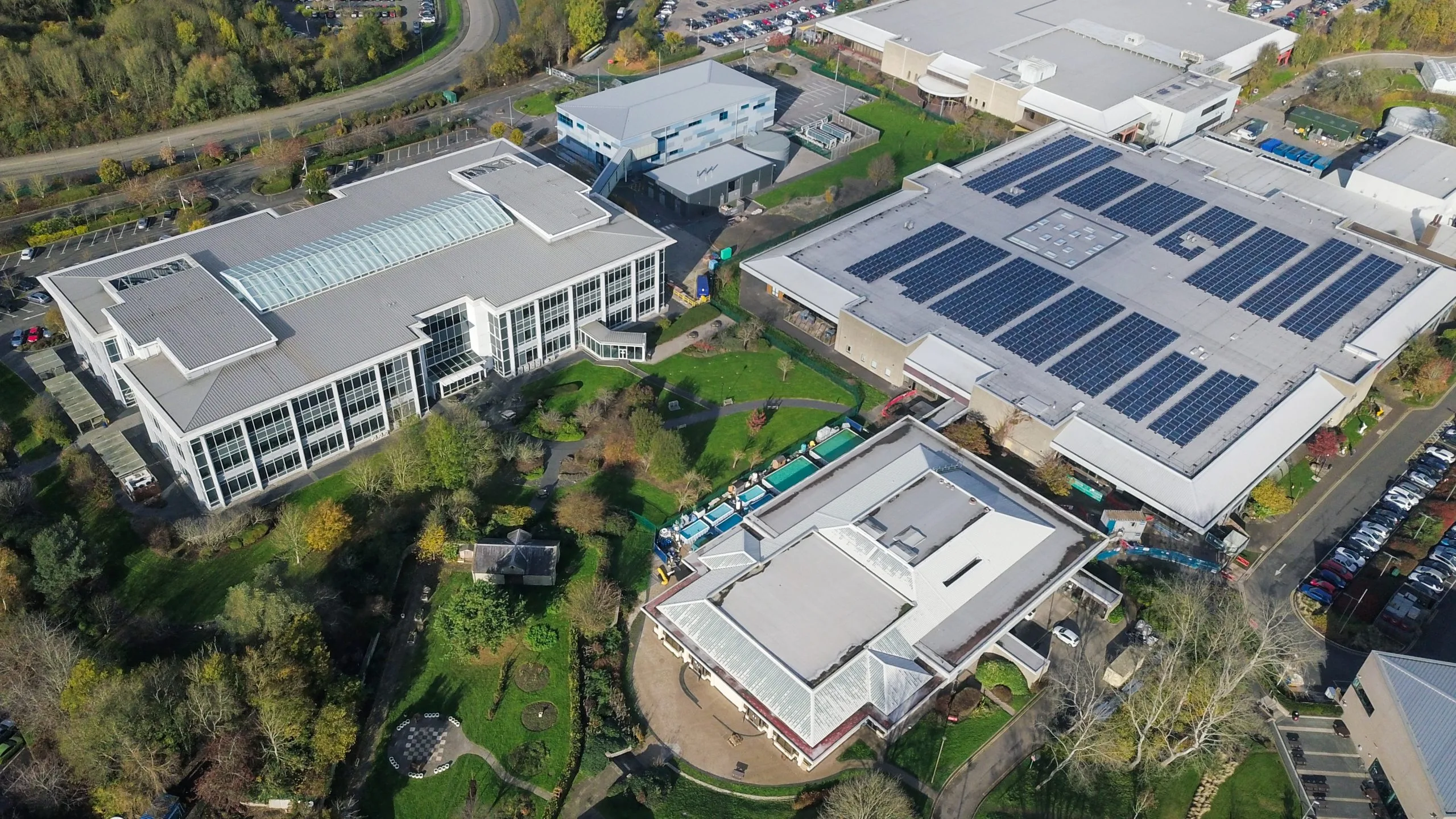
The UAE is rapidly transforming its energy landscape, and Solar PV is at the forefront of this change. With a strategic commitment to renewable energy, the UAE is set to increase its solar capacity from 6.7 GW to over 22 GW in the coming years. This expansion is driven by government initiatives, technological advancements, and growing demand for clean energy. The UAE is positioned to be a regional leader in solar power generation, driving both economic growth and environmental sustainability by next decade. By fostering innovation and creating supportive policies, the country is making solar energy an integral part of its future, positioning itself as a clean energy hub in the Middle East.
Key Market Drivers of the UAE Solar PV Industry
Government Vision and Policy Support
The UAE government has made significant strides in renewable energy with its ambitious Net Zero initiative, targeting 50% of energy from renewable sources. In line with this, solar PV is expected to account for a substantial portion of the energy mix. With projects like the Mohammed bin Rashid Al Maktoum Solar Park and other large‑scale solar initiatives, the country is developing some of the largest solar farms in the world. Clear government policies, financial incentives, and capacity targets are helping to reduce the dependence on fossil fuels and attract global investment. The ongoing push for energy diversification ensures solar energy will play a vital role in the UAE’s energy transformation.
Declining Solar Costs and Technological Advancements
A major factor driving solar PV growth in the UAE is the continuous reduction in costs. With solar module costs dropping by over 80% in the last decade, solar energy has become one of the most affordable sources of power. Moreover, technological innovations, such as bifacial modules, energy storage systems, and smart inverters, are boosting solar panel efficiency and output. These innovations are making it easier to integrate solar energy into the national grid, enhancing the feasibility of scaling up solar power. As the UAE adopts new technologies, solar power will become even more competitive, pushing the country closer to its renewable energy goals.
Private Sector Investment and International Collaboration
The UAE has attracted significant investment from both local and international companies into the solar sector. International partnerships, like those with Masdar, TotalEnergies, and EDF Renewables, are helping to accelerate the development of solar infrastructure in the country. These collaborations are vital for driving innovation, sharing expertise, and supporting the UAE’s push towards renewable energy targets. The private sector’s growing involvement not only creates jobs but also ensures that solar energy continues to evolve and thrive. With international collaboration, the UAE will continue to attract capital and technological advancements that will support solar PV growth.
Government Support boosting UAE Solar PV Industry
The UAE government has implemented numerous policies to support solar PV development, including incentives for developers, tax breaks, and long-term power purchase agreements (PPAs). The UAE Energy Strategy Vision prioritises a shift towards sustainable energy sources, with solar playing a key role. Investments in R&D and infrastructure development, alongside regulatory frameworks to facilitate energy transition, ensure that solar PV will be central to the UAE’s future energy landscape. These efforts aim to reduce reliance on fossil fuels and achieve national sustainability goals.
Competitive Landscape of the UAE Solar PV Industry
The UAE’s solar PV market is highly competitive, featuring international giants like First Solar, Trina Solar, and JinkoSolar, alongside local players such as Masdar and Dubai Electricity and Water Authority (DEWA). The competition revolves around large‑scale utility projects, rooftop solar solutions, and integrated energy storage systems. With a focus on cost efficiency, innovation, and government partnerships, companies are striving to meet the UAE’s ambitious renewable energy targets and provide sustainable energy solutions across the region. This competition is helping drive down costs and improve the quality of solar installations.
Market Challenges faced in the UAE Solar PV Industry
Grid Integration and Energy Storage
As solar PV capacity expands, integrating large amounts of intermittent solar energy into the grid presents a challenge. The UAE will need to invest in energy storage technologies and smart grid infrastructure to manage supply and demand fluctuations effectively. Energy storage solutions will be crucial for balancing solar energy production with peak demand periods and ensuring grid reliability. These investments are essential for achieving the UAE’s long-term sustainability goals and ensuring that solar energy can be used reliably and efficiently.
Upfront Capital and Project Financing
While solar power costs have dropped significantly, the high upfront capital required for large solar PV projects remains a challenge. Access to financing is vital for both large‑scale and residential solar installations. Encouraging private investment and offering more flexible financing models will be key to overcoming this barrier, ensuring that solar energy is accessible to all sectors of the economy. Creating new financing mechanisms, such as green bonds or solar leasing options, could further support the growth of the solar market in the UAE.
Future Outlook
As we move ahead, the UAE’s Solar PV market is expected to grow robustly as renewable energy becomes a larger share of the national energy mix. With installed PV capacity projected to reach heights, driven by strong government commitment and favourable economics, solar power will play a central role in achieving sustainability goals. Continued technological innovation and supportive policy frameworks will help overcome grid integration challenges and unlock new opportunities in distributed solar and energy storage. As the costs decline and solar adoption expands, the UAE is poised to lead the region’s clean energy transition and attract increased investment in renewable infrastructure. With strategic investments in infrastructure, research, and development, the UAE is well on its way to becoming a global leader in solar power.
Consultants at Nexdigm, in their latest publication UAE Solar PV Market Outlook to 2035, analyze the sector by End User Segment (Residential Customers, Commercial Businesses, Industrial Facilities, Utilities, Government Entities), by Procurement Channel (Direct Procurement, Government Tenders, Private Sector Procurement, Online Procurement Platforms, Third party Distributors).
Nexdigm suggests that businesses should strategically invest in solar PV technologies to align with the country’s growing focus on sustainability and renewable energy. By adopting solar energy solutions, companies can reduce energy costs, enhance their environmental footprint, and take advantage of government incentives. Moreover, businesses should explore partnerships with local and international solar developers to stay ahead of the market trends and leverage technological advancements.
To take the next step, simply visit our Request a Consultation page and share your requirements with us.
Harsh Mittal
+91-8422857704