
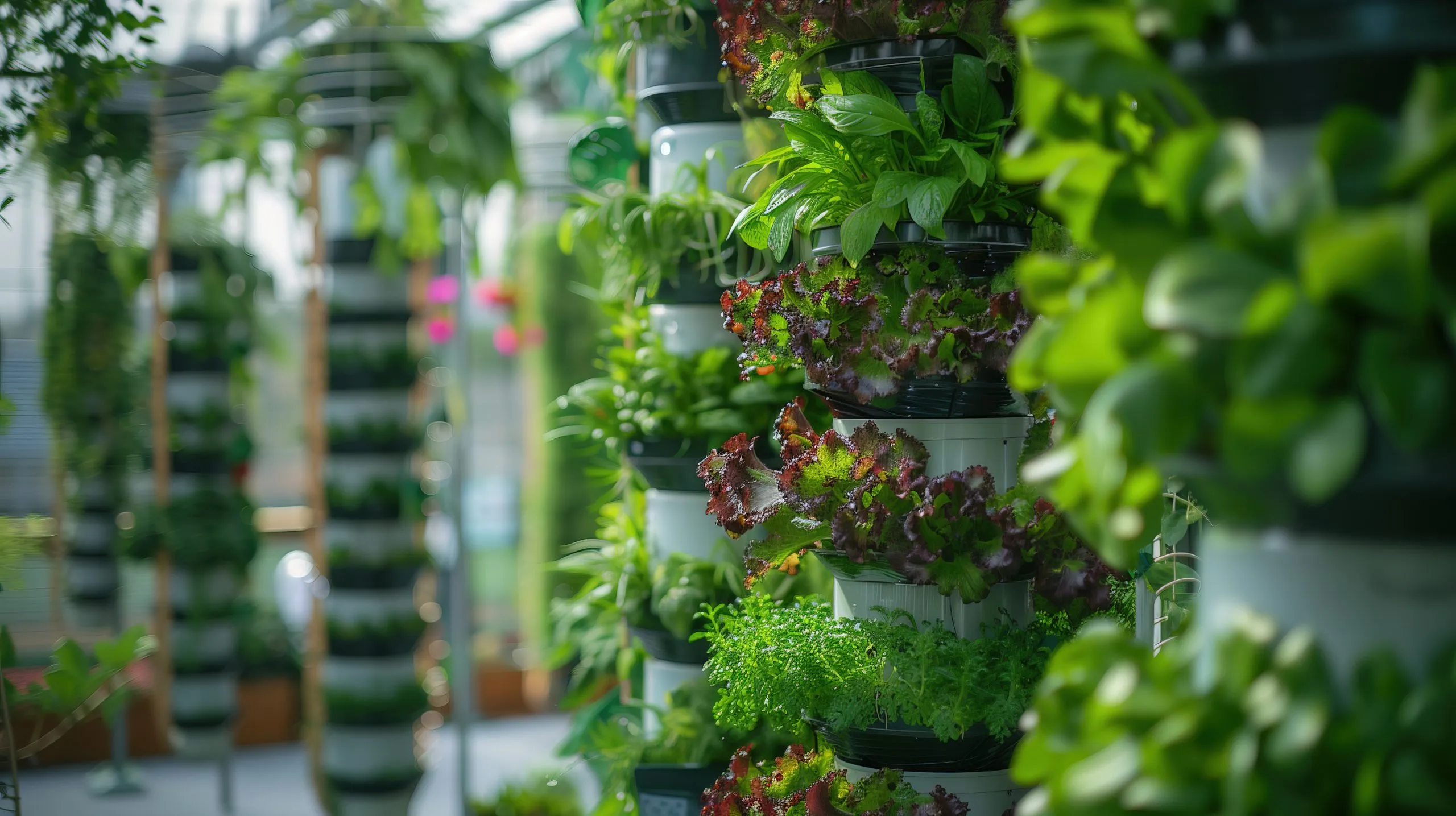
The UAE vertical farming market is expanding as growers, agritech companies, food retailers, restaurants, investors, and government-backed food security projects look for more reliable ways to produce fresh crops in arid conditions. Vertical farming uses stacked growing systems, hydroponics, aeroponics, LED lighting, climate control, sensors, automation, and nutrient management to grow crops indoors with limited land and water use. The UAE vertical farming market is projected to reach USD 358.9 million, growing at 20.90% CAGR. Demand is being supported by food security priorities, water scarcity, urban consumption, and rising interest in locally grown produce.
Key market drivers are strengthening vertical farming demand in the UAE
Food security goals are encouraging local crop production
The UAE imports a large share of its food, making domestic production an important long-term priority. Vertical farming can support local supply of leafy greens, herbs, microgreens, strawberries, tomatoes, and specialty vegetables closer to urban consumers in Dubai, Abu Dhabi, Sharjah, and other major consumption centers. These systems are especially useful because they reduce dependence on outdoor climate conditions, long-distance logistics, and seasonal supply disruptions. For supermarkets, hotels, restaurants, airlines, and foodservice companies, vertical farms offer fresher produce, shorter supply chains, and stronger traceability. This makes controlled-environment agriculture an important part of the UAE’s broader food resilience strategy.
Water-efficient hydroponics is improving farming economics
Water conservation is central to agriculture in the UAE, and hydroponics is becoming one of the most relevant vertical farming methods. The UAE hydroponics market was valued at USD 114.36 million and is expected to reach USD 190.36 million at 8.86% CAGR. Hydroponic systems can support crop production without soil while recirculating water and delivering nutrients more precisely. This is important in a desert climate where traditional farming faces high irrigation requirements. With sensors, climate control, LED lighting, and automation, indoor farms can manage temperature, humidity, nutrients, and crop cycles more consistently.
Indoor farming investment is supporting large-scale controlled agriculture
The UAE indoor farming market is projected to reach USD 2.12 billion, growing at 7.9% CAGR. This reflects rising investment in greenhouse projects, vertical farms, hydroponic facilities, and technology-enabled food production models.
Government food security and innovation initiatives are supporting adoption
Government priorities around food security, water conservation, agritech innovation, sustainability, and local food production are creating a supportive environment for vertical farming in the UAE. National strategies and emirate-level initiatives encourage the use of controlled-environment agriculture, hydroponics, automation, AI, and resource-efficient farming systems. These policies are important because vertical farming can help reduce exposure to climate constraints while improving domestic production capacity. Public-private partnerships, innovation hubs, and food technology investments are also helping build stronger technical capability, investor interest, and commercial adoption across the sector.
Competitive landscape is shaped by indoor growers, agritech firms, and food buyers
The UAE vertical farming market includes indoor farm operators, hydroponic system suppliers, aeroponic technology firms, LED lighting providers, climate-control companies, nutrient solution suppliers, automation platforms, farm software companies, supermarkets, hotels, restaurants, and foodservice distributors. Competition is shaped by crop quality, energy efficiency, water savings, production scale, system reliability, food safety standards, brand trust, and distribution access. Companies are targeting leafy greens, herbs, microgreens, tomatoes, strawberries, and premium vegetables. Operators that combine efficient technology, local freshness, reliable supply, and strong buyer relationships are better positioned to scale.
Market challenges continue to affect profitability and wider adoption
Energy and cooling costs can pressure margins
Vertical farms require LED lighting, cooling, humidity control, pumps, sensors, automation, skilled labor, and backup systems. In the UAE’s hot climate, cooling and electricity costs can significantly affect profitability.
Technical complexity and crop economics remain key barriers
Successful indoor farming requires strong knowledge of crop nutrition, climate management, lighting strategy, water quality, pest prevention, and system maintenance. Expanding beyond leafy greens into more complex crops requires better economics and technical precision.
Future outlook
The future outlook for the UAE vertical farming market remains positive, supported by food security investment, water-efficient agriculture, urban demand, premium fresh produce, and controlled-environment farming. Another hydroponics and aquaponics outlook projects growth toward USD 217.51 million, while indoor vertical farms are cited as the fastest-growing facility type in the UAE hydroponics and aquaponics market at 6.7% CAGR. Opportunities are expected across hydroponic farms, aeroponic systems, container farms, leafy greens, herbs, microgreens, strawberries, tomatoes, AI-based crop monitoring, LED lighting optimization, nutrient management, and retail-linked production. Businesses that improve energy efficiency, crop economics, automation, and distribution partnerships will be better positioned for long-term growth.
Consultants at Nexdigm, in their latest publication “UAE vertical farming market outlook to 2035,” analyze the sector By Crop Type (Lettuce, Spinach, Herbs (Basil, Mint, Cilantro, Parsley), Microgreens), By Farming Structure (Building-Based Vertical Farms,Shipping Container Farms, Greenhouse Vertical Farms)
Nexdigm suggests that businesses in the UAE vertical farming market should focus on energy-efficient, water-saving, and technology-enabled indoor farming solutions that support demand for fresh, locally grown, pesticide-light, and year-round produce across retail, foodservice, hospitality, and premium consumer channels.
To take the next step, simply visit our Request a Consultation page and share your requirements with us.
Harsh Mittal
+91-8422857704