
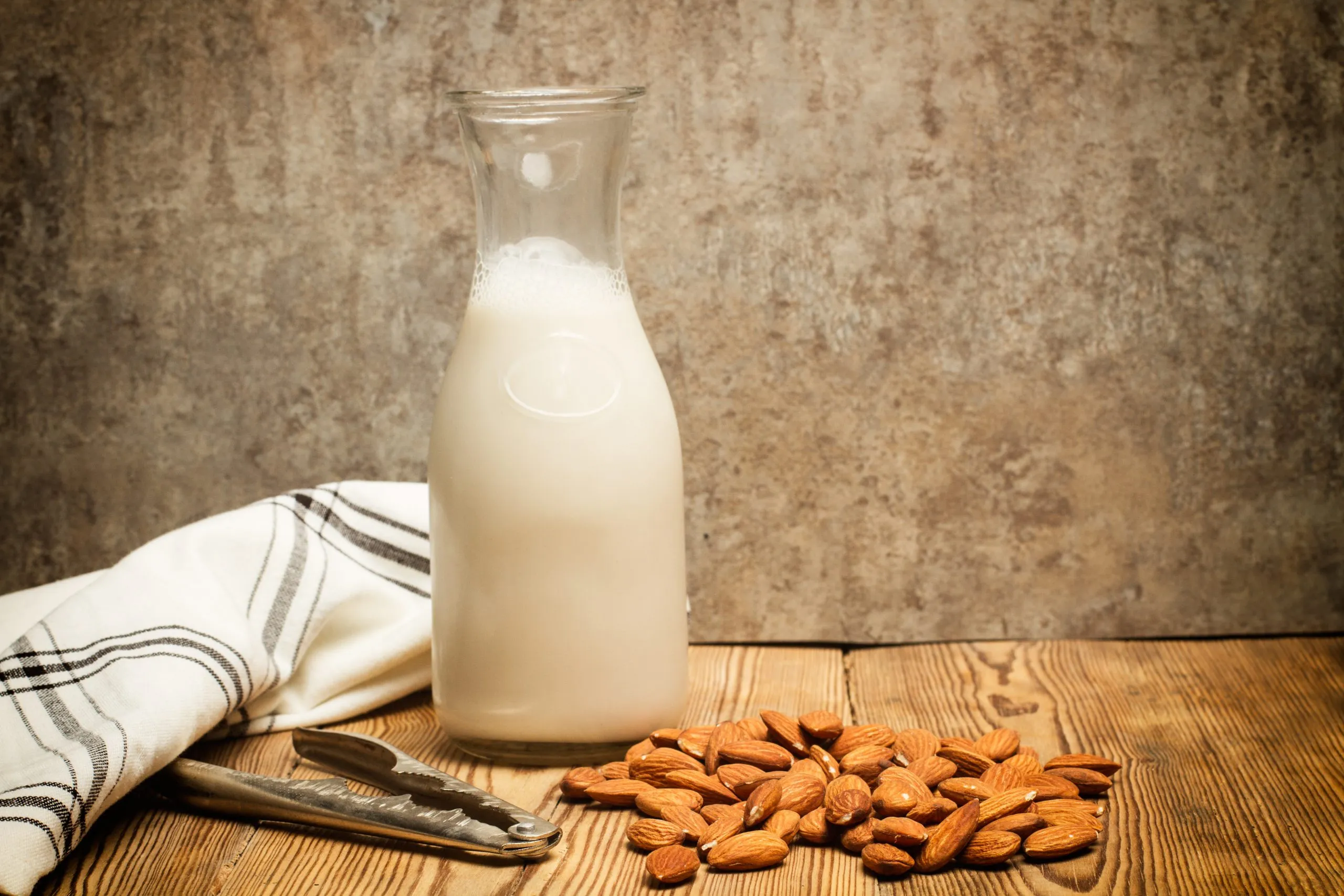
The UK Almond Milk Market is witnessing strong momentum as consumers increasingly embrace plant-based lifestyles, health-conscious diets, and sustainable food choices. The market is valued at approximately USD 445 million and is projected to exceed USD 1.4 billion, reflecting robust long-term growth potential. Almond milk has become one of the most popular dairy alternatives in the United Kingdom due to its low-calorie profile, versatility, and suitability for vegan and lactose-intolerant consumers. As plant-based beverages become a regular part of daily diets, almond milk is finding growing acceptance in households, cafés, restaurants, and foodservice channels across the country.
Key Growth Drivers Fueling the UK Almond Milk Market
Rising Adoption of Vegan and Flexitarian Lifestyles
One of the most significant drivers of the UK Almond Milk Market is the rapid expansion of vegan and flexitarian eating habits. The UK is home to approximately 8.7 million vegan or plant-based consumers and around 14 million flexitarians who regularly purchase dairy alternatives. These consumers are actively seeking products that align with their health, ethical, and environmental values. Almond milk has emerged as a preferred choice because it offers a dairy-free, lactose-free alternative without compromising convenience or taste. Many consumers are not completely eliminating dairy but are incorporating plant-based products into specific occasions such as breakfast, coffee, and smoothies, creating sustained demand for almond milk.
Health and Wellness Trends Shaping Consumer Choices
Health awareness continues to play a crucial role in driving the UK Almond Milk Market. Consumers are increasingly paying attention to calorie intake, digestive health, cholesterol levels, and clean-label ingredients. Almond milk is often perceived as a healthier alternative to conventional dairy due to its lower calorie content and plant-based nutritional profile. The growing demand for lactose-free beverages, combined with increasing awareness of food sensitivities and dietary preferences, has accelerated adoption among a broad consumer base. Manufacturers are also introducing fortified products containing calcium, vitamin D, protein, and other nutrients to appeal to health-conscious shoppers.
Expanding Retail Presence and Coffee Shop Adoption
The widespread availability of almond milk across supermarkets, convenience stores, cafés, and online platforms is another major growth driver. Plant-based beverages have become mainstream offerings in major coffee chains, with plant-based milk options increasingly available as standard menu choices. Approximately 20–25% of milk-based coffee orders in UK coffee shops now utilize plant-based alternatives, highlighting changing consumer preferences. In addition, product innovation continues to expand the market through flavored varieties, organic options, barista editions, and ready-to-drink formats. These innovations are making almond milk more accessible and attractive to a wider range of consumers.
Government and Sustainability Initiatives Supporting the UK Almond Milk Market
Support for sustainable food systems and increasing awareness of environmental responsibility are providing favorable conditions for the UK Almond Milk Market. Public discussions around carbon reduction, ethical consumption, and sustainable agriculture have encouraged consumers to consider plant-based alternatives as part of a more environmentally conscious lifestyle. Government-backed sustainability goals, coupled with industry initiatives promoting responsible sourcing and eco-friendly packaging, are helping strengthen consumer confidence in plant-based beverages. These efforts are encouraging continued investment in innovation and market expansion across the dairy alternatives sector.
Competitive Landscape of the UK Almond Milk Market
The UK Almond Milk Market is highly competitive and features a mix of global beverage companies, plant-based specialists, and private-label retailers. Leading brands continue to compete through product innovation, sustainability positioning, nutritional fortification, and premium offerings. Competition is increasingly focused on flavor innovation, clean-label ingredients, organic certifications, and barista-friendly formulations. Companies are strengthening their presence through strategic partnerships with supermarkets, cafés, foodservice operators, and e-commerce platforms to reach a broader consumer audience.
Key Challenges Facing the UK Almond Milk Market
Intensifying Competition from Alternative Plant Milks
While almond milk remains a leading dairy alternative, it faces strong competition from oat, soy, pea, coconut, and rice-based beverages. Oat milk, in particular, has gained significant popularity in the UK due to its taste profile and sustainability credentials. To maintain market share, almond milk manufacturers must continue innovating through improved nutrition, flavor profiles, functional ingredients, and premium positioning that differentiates their products from competing plant-based beverages.
Supply Chain and Cost Pressures
The market also faces challenges related to raw material sourcing, production costs, and supply chain stability. Almond cultivation and global sourcing dynamics can affect pricing and availability, creating potential cost pressures for producers. Balancing affordability with sustainability and product quality remains a critical challenge, particularly as consumers become increasingly value-conscious in their purchasing decisions.
Future Outlook
The future of the UK Almond Milk Market remains highly promising, with projected growth exceeding 12% CAGR and market value expected to surpass USD 1.4 billion. Increasing consumer interest in plant-based diets, growing environmental awareness, and rising demand for dairy-free products will continue to support market expansion. Future growth is likely to be driven by fortified functional beverages, clean-label formulations, premium product innovation, and expanded foodservice adoption. As health-conscious and sustainability-focused consumers increasingly reshape purchasing trends, almond milk is expected to remain one of the most influential categories within the UK’s broader plant-based beverage market.
Consultants at Nexdigm, in their latest publication “UK Almond Milk Market Outlook to 2035,” analyze the sector By Product Type (Unsweetened Almond Milk, Sweetened Almond Milk, Flavored Almond Milk, Organic Almond Milk, Fortified Almond Milk), By Distribution Channel (Supermarkets & Hypermarkets, Convenience Stores, Online Retail, Specialty Health Stores, Foodservice & Cafes).
Nexdigm suggests that manufacturers should focus on product differentiation, nutritional fortification, sustainable sourcing, and stronger partnerships with retailers and coffee chains to capitalize on the growing opportunities within the UK Almond Milk Market.
To take the next step, simply visit our Request a Consultation page and share your requirements with us.
Harsh Mittal
+91-8422857704