
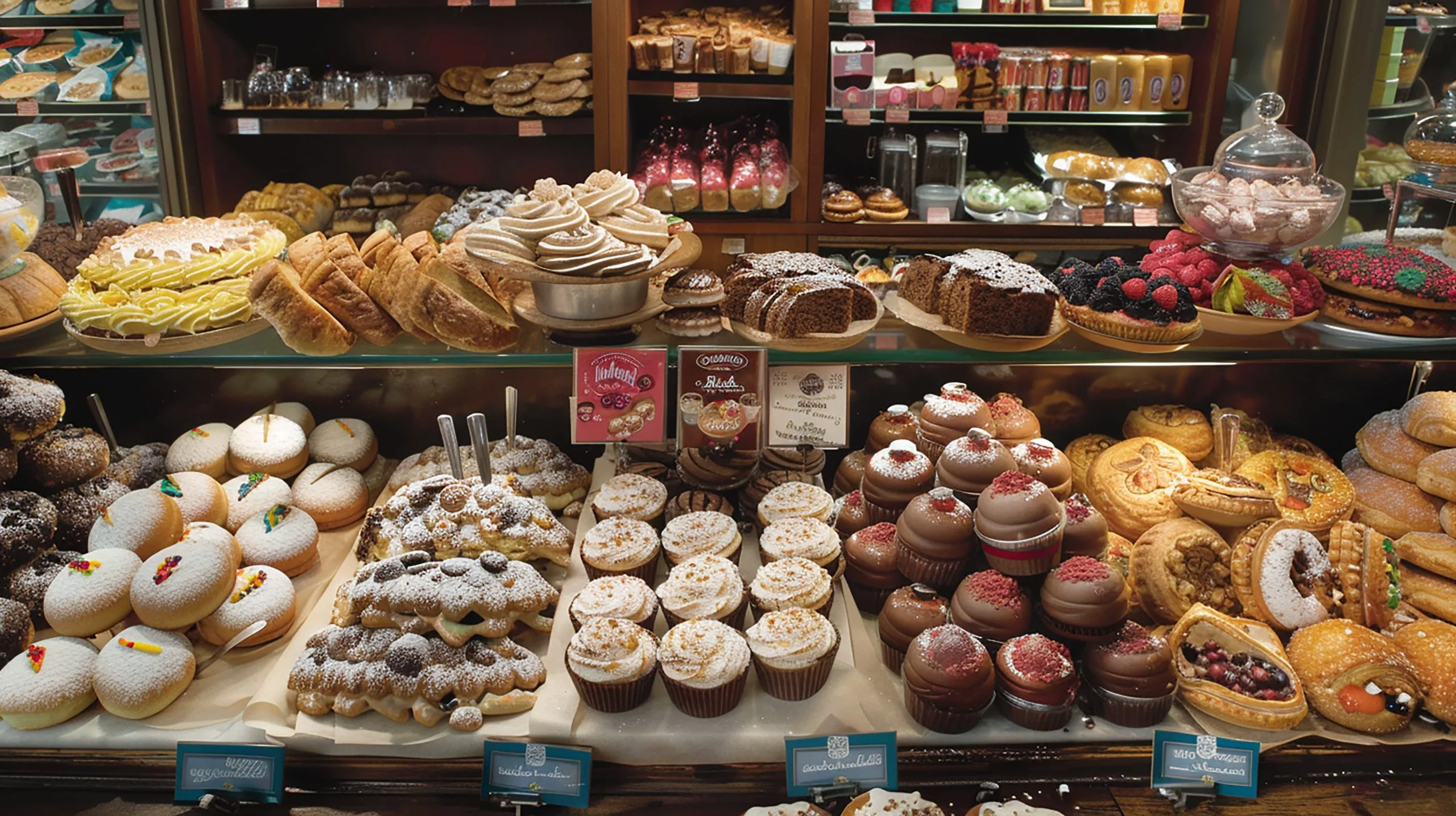
The UK bakery products market is expanding as consumers continue to buy bread, rolls, cakes, pastries, biscuits, cookies, sweet pies, muffins, crumpets, frozen bakery items, and artisanal baked goods for daily meals, snacking, breakfast, lunchboxes, and indulgent occasions. Bakery products remain a familiar part of British food culture, from packaged sliced bread and morning toast to afternoon treats and premium cakes. The UK bakery products market reached USD 26.9 billion, while the broader UK bakery market is worth around GBP 5.74 billion. Demand is being shaped by convenience, value, freshness, and changing dietary preferences.
Key market drivers are strengthening bakery product demand in the UK
Everyday bread consumption continues to support stable category demand
Bread remains one of the most important bakery products in UK households, supported by breakfast routines, packed lunches, sandwiches, toast, quick meals, and family consumption. Packaged sliced bread continues to hold strong relevance because it is affordable, convenient, widely available, and easy to use across multiple meal occasions. Supermarkets, convenience stores, discounters, local bakeries, and online grocery platforms are all helping keep bakery products accessible. Brands are responding with seeded loaves, wholemeal bread, sourdough-style products, high-fiber options, longer shelf-life packs, and portion-friendly formats. This everyday demand gives the bakery category a strong base even as consumer preferences evolve.
Premium, indulgent, and artisanal bakery products are widening consumer choices
Consumers in the UK continue to seek cakes, pastries, cookies, sweet pies, muffins, croissants, doughnuts, and specialty baked goods for treats, celebrations, gifting, and café-style occasions. Premiumization is supporting demand for artisanal breads, handcrafted pastries, sourdough, filled cakes, seasonal products, and bakery items with distinctive flavors and textures. Retailers and bakery brands are using in-store bakery counters, limited-edition launches, premium packaging, and celebration-led products to encourage higher-value purchases. Consumers may be value conscious, but many still make room for small indulgences that feel fresh, comforting, and affordable.
Health-oriented bakery products are becoming more visible on shelves
Health-conscious consumers are increasingly looking for bakery products with whole grains, higher fiber, reduced sugar, lower salt, gluten-free ingredients, plant-based recipes, and cleaner labels. This is creating opportunities for brands that can balance nutrition with taste, texture, and price.
Government food safety and nutrition standards are supporting product transparency
Government priorities around food safety, nutrition labeling, allergen disclosure, salt reduction, sugar reduction, and responsible product formulation are influencing the UK bakery products market. Regulations covering allergens, ingredients, packaging claims, and hygiene standards help consumers make more informed choices and improve trust in packaged and fresh bakery products. Public health guidance around balanced diets is also encouraging bakeries and manufacturers to review sugar, salt, fiber, and portion sizes. Companies that maintain transparent labels, compliant claims, strong allergen controls, and consistent quality can strengthen credibility with retailers and consumers.
Competitive landscape is becoming broader across retail, fresh, and specialty bakery channels
The UK bakery products market includes large packaged bakery companies, supermarket private labels, in-store bakeries, local artisan bakeries, café chains, frozen bakery manufacturers, biscuit and cake producers, gluten-free brands, and direct-to-consumer bakery businesses. Competition is shaped by freshness, price, taste, nutrition claims, convenience, shelf life, packaging, and distribution reach. Large brands benefit from scale and national availability, while artisan and specialty players compete through freshness, craft positioning, local sourcing, and premium recipes. Private labels remain important as shoppers compare value and quality.
Market challenges continue to affect margins and consumer loyalty
Cost pressures continue to influence pricing
Bakery manufacturers face pressure from wheat, sugar, dairy, eggs, oils, chocolate, packaging, labor, logistics, and energy costs. These factors can affect retail prices, margins, and promotional strategies.
Health concerns can limit some bakery purchases
Some consumers are reducing sugar, refined carbohydrates, salt, and ultra-processed foods. Bakery brands need to balance indulgence, affordability, freshness, and better-for-you positioning without weakening taste or texture.
Future outlook
The future outlook for the UK bakery products market remains positive, supported by everyday bread consumption, snacking, premium treats, foodservice demand, online grocery growth, and innovation in healthier formats. Opportunities are expected across seeded bread, sourdough-style loaves, gluten-free bakery, high-fiber products, low-sugar cakes, plant-based pastries, frozen bakery items, premium biscuits, cookies, and seasonal products. As the UK bakery products market continues to evolve, businesses that combine taste, freshness, value, nutrition transparency, allergen safety, convenient packaging, and strong omnichannel distribution will be better positioned to capture long-term growth.
Consultants at Nexdigm, in their latest publication “UK bakery products market outlook to 2035,” analyze the sector By Product Type (Bread Products, Cakes and Pastries, Cookies and Biscuits, Frozen Bakery Products), By Ingredient Type (Conventional Bakery Products, Whole Grain Bakery Products, Organic Bakery Products)
Nexdigm suggests that businesses in the UK bakery products market should focus on fresh, convenient, and value-led bakery formats that support demand for bread, rolls, cakes, pastries, biscuits, cookies, crumpets, and frozen bakery products.
To take the next step, simply visit our Request a Consultation page and share your requirements with us.
Harsh Mittal
+91-8422857704