
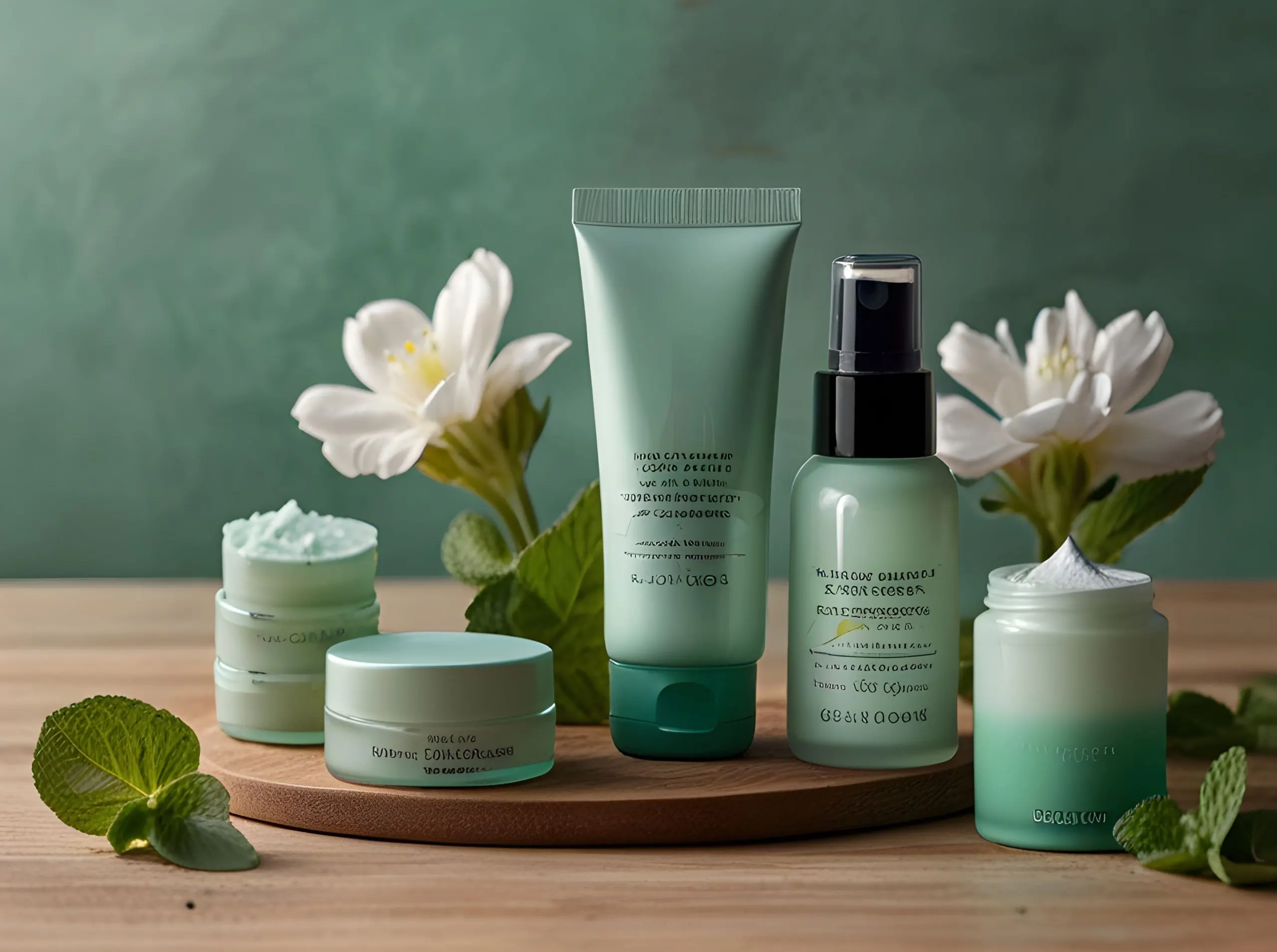
The UK beauty and personal care products market has moved well beyond traditional cosmetics and grooming. Consumers today are paying closer attention to ingredients, sustainability claims, and even the ethical sourcing behind products sitting on retail shelves. In 2026, the UK remains one of Europe’s strongest beauty markets, supported by premium consumer spending and a highly active online retail culture. Skincare has become particularly influential, with many consumers treating it less as a luxury and more as part of everyday wellness routines. At the same time, beauty brands are facing pressure to balance innovation with transparency, especially as shoppers become more skeptical of exaggerated marketing claims.
What’s Driving the Beauty and Personal Care Products Market in the UK?
Demand for Sustainable and Ingredient-Conscious Products
A noticeable shift has taken place in consumer behavior over the last few years. UK shoppers are reading ingredient labels more carefully and questioning how products are manufactured. Vegan skincare, refillable packaging, and cruelty-free certifications are no longer niche selling points reserved for boutique brands. Large retailers are now dedicating entire sections to clean beauty ranges because demand has become difficult to ignore. In practice, brands that fail to adapt often struggle to retain younger consumers. Gen Z buyers, in particular, tend to reward companies that demonstrate genuine environmental responsibility rather than superficial marketing campaigns. This has encouraged beauty manufacturers to rethink packaging materials, reduce plastic usage, and experiment with waterless formulations that cut transportation costs and waste.
Online Retail and Social Media Influence
Beauty purchasing habits in the UK now look very different compared to five years ago. Consumers frequently discover products through TikTok tutorials, influencer reviews, and livestream shopping sessions before ever stepping inside a physical store. Viral skincare products can sell out within days, creating sharp spikes in demand that brands sometimes find difficult to manage operationally. E-commerce has also lowered the entry barrier for smaller independent labels. A niche skincare startup with a strong online following can now compete alongside multinational corporations without maintaining large retail networks. AI-based skin analysis tools and virtual makeup try-ons are becoming more common as brands attempt to reduce product return rates while offering a more personalized experience to online buyers.
Expansion of Men’s Grooming and Wellness Categories
The men’s grooming segment has quietly become one of the more interesting areas within the UK market. Demand for beard care oils, anti-aging creams, scalp treatments, and premium fragrances continues to broaden beyond urban luxury consumers. Many younger male buyers now view skincare as part of general self-maintenance rather than a cosmetic indulgence. There is also growing overlap between beauty and wellness categories. Products linked to stress relief, sleep improvement, and skin health are attracting attention, especially among consumers dealing with demanding work schedules and rising health awareness. Some brands are leaning heavily into this crossover, although a common challenge is proving product effectiveness rather than relying on wellness-focused branding alone.
Government and Regulatory Support
Regulatory scrutiny in the UK beauty industry has become tighter, particularly around sustainability claims and ingredient safety. Authorities are paying closer attention to misleading advertising, excessive plastic usage, and potentially harmful chemicals in formulations. While these regulations create extra compliance costs for manufacturers, they also improve consumer trust over time. For many businesses, the tougher standards are forcing overdue operational improvements. Smaller companies sometimes struggle with certification expenses and sourcing requirements, yet brands that meet these expectations often gain stronger long-term credibility in the market.
Market Competition and Brand Landscape
Competition remains intense across nearly every product category. Global companies such as L’Oréal, Unilever, Estée Lauder Companies, and Procter & Gamble dominate supermarket shelves and premium retail counters. Yet independent brands continue carving out space through direct-to-consumer channels and highly targeted marketing strategies. Interestingly, many consumers now trust smaller specialist brands more than legacy beauty giants, particularly in skincare. That trust often comes from perceived authenticity rather than scale. On the ground, this has forced established companies to acquire emerging brands or launch smaller sub-brands that feel less corporate.
Supply Chain Costs and Consumer Skepticism
One issue that continues to trouble the industry is the rising cost of sourcing raw materials and packaging. Ingredients such as natural oils, botanical extracts, and specialty actives have become more expensive due to supply disruptions and inflationary pressure. For premium beauty brands, maintaining product quality while controlling prices has become increasingly difficult. At the same time, consumers are becoming more skeptical of exaggerated beauty claims. Terms like “clean,” “natural,” or “scientifically proven” no longer guarantee trust unless supported by visible evidence. Brands that overpromise often face backlash online, which can damage reputation surprisingly quickly in today’s social media-driven environment.
Future Outlook
The UK beauty and personal care products market will likely continue evolving toward personalization, sustainability, and wellness-focused consumption through 2035. AI-supported skincare recommendations, refill-based retail models, and biotech-derived ingredients are expected to become more common across mainstream product lines. Physical stores will still matter, though their role may shift toward experience-led retail rather than simple transactions.
Consultants at Nexdigm, in their latest publication “UK Beauty and Personal Care Products Market Outlook to 2035,” believe companies that combine transparency, product effectiveness, and flexible digital engagement strategies are more likely to retain consumer trust in an increasingly crowded and highly opinionated beauty market.
To take the next step, simply visit our Request a Consultation page and share your requirements with us.
Harsh Mittal
+91-8422857704