
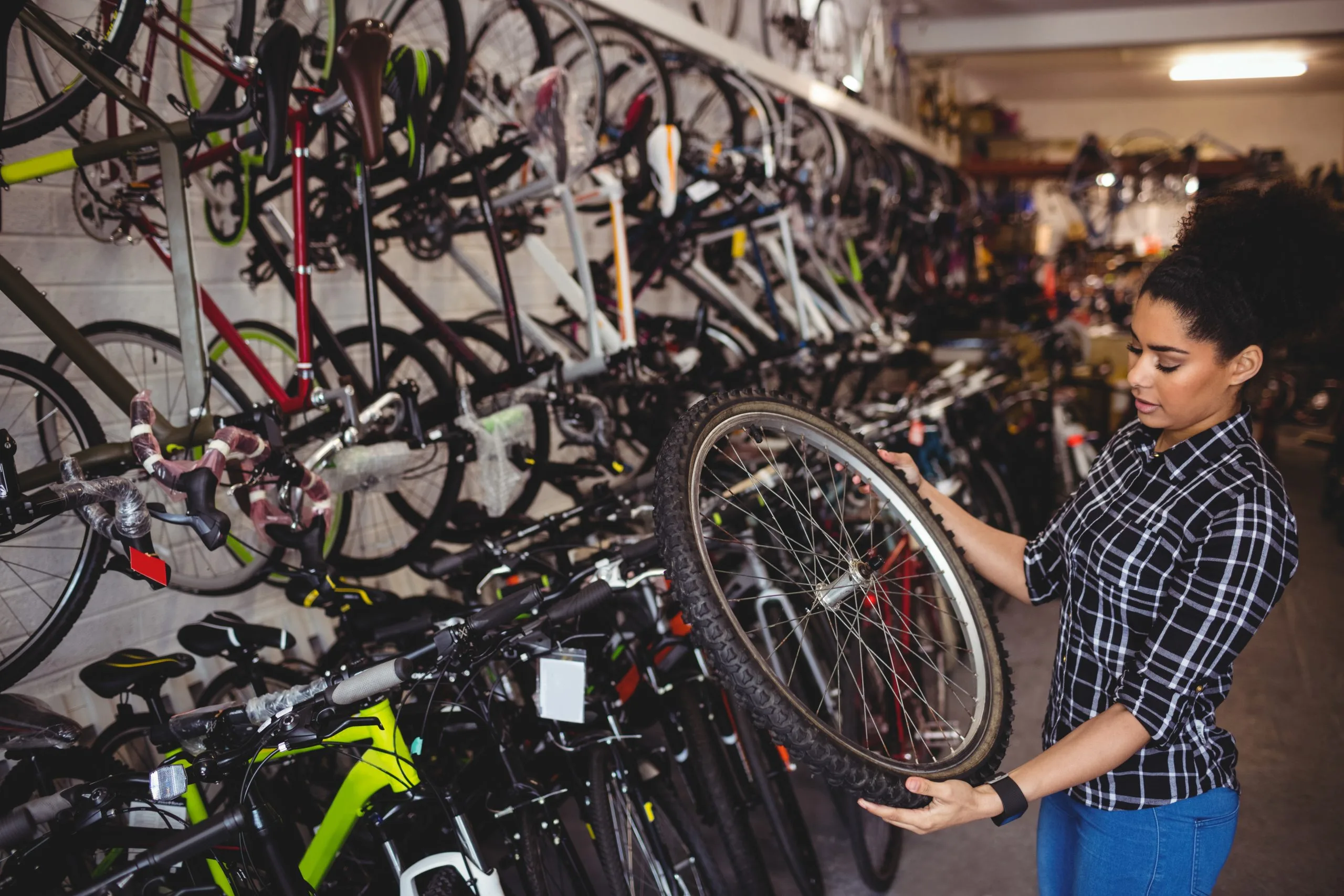
The UK bicycle market is expected to evolve steadily as cycling becomes more closely linked with fitness, commuting, recreation, and low-emission mobility. While the market has faced post-pandemic demand corrections, e-bikes remain a major growth area. The UK e-bike market is growing at a 9.7% CAGR value. Around 2.2 million bicycles are sold in the UK every year, while cycling traffic in last years has reached 3.5 billion vehicle miles, showing continued relevance for both transport and leisure use. This indicates that cycling remains an important part of the UK’s mobility mix, even as consumer demand shifts across categories.
Factors Driving Growth in the UK Bicycle Market
E-Bikes Are Making Cycling More Accessible
E-bikes are one of the strongest growth drivers in the UK bicycle market. They make cycling more practical for commuters, older riders, delivery workers, and consumers who want to travel longer distances with less physical effort. The UK e-bike market is projected to reach heights. This reflects rising demand for cleaner mobility, flexible commuting, and alternatives to car-based short trips. E-bikes are also expanding the cycling consumer base by attracting people who may find conventional cycling difficult for hilly routes, longer journeys, or daily commuting. As battery performance improves and more models become available, e-bikes are likely to become a more common choice for everyday travel.
Fitness, Recreation, and Active Lifestyles Keep Demand Alive
Cycling continues to benefit from the UK’s interest in active lifestyles, fitness, and outdoor recreation. Bicycles are used for commuting, weekend rides, family activity, sport, and general wellbeing. Around 2.2 million bicycles are sold in the UK every year, highlighting the continued scale of the cycling market. Demand is visible across road bikes, hybrid bikes, mountain bikes, folding bikes, children’s bikes, and performance models. As consumers look for healthier and lower-cost ways to travel and exercise, bicycles remain relevant across both casual and enthusiast segments. This gives brands room to serve different riders, from first-time commuters to serious cyclists seeking performance upgrades.
Low-Emission Transport and Better Infrastructure Are Supporting Cycling
Cycling is gaining importance as part of the UK’s wider low-emission transport strategy. In last year, cycling traffic in Great Britain reached 3.5 billion vehicle miles. Better cycling lanes, safer junctions, cycle parking, and integration with public transport can encourage more regular bicycle use. As cities focus on congestion reduction, air quality, and active travel, bicycles and e-bikes are likely to become more important for short-distance urban mobility. Improved infrastructure can also make cycling feel safer and more convenient for people who currently ride only occasionally. Over time, this could help shift bicycles from leisure products to regular transport tools.
The UK Government Investment Strengthening Active Travel
Government policy is supporting the bicycle market through active travel investment and infrastructure planning. Active Travel England’s funding supports local authorities in developing and constructing walking, wheeling, and cycling schemes. The UK government has committed £300 million and £616 million in capital funding for Active Travel England to support councils in building and maintaining walking and cycling infrastructure. These investments can improve safety, expand cycling routes, and encourage more people to cycle regularly. Better local infrastructure can also support demand for commuter bikes, e-bikes, cargo bikes, and cycling accessories. As active travel becomes more embedded in transport planning, bicycle use is likely to receive stronger long-term support.
Competitive Insights of the UK Bicycle Market
The UK bicycle market is competitive, with global brands, domestic manufacturers, independent bike shops, direct-to-consumer players, mass retailers, and e-bike specialists competing across price, performance, design, and technology. Established brands benefit from dealer networks and after-sales support, while newer e-bike companies focus on battery range, smart features, financing, and online sales. The market also includes strong demand for accessories, maintenance, repair, and replacement parts. As competition intensifies, brands will need to balance affordability, safety, service quality, and product innovation. Retail experience is also becoming important as consumers seek guidance on sizing, maintenance, battery safety, and product suitability. Companies that combine reliable products with strong service support are likely to build stronger customer trust.
Factors Slowing Down the UK Bicycle Market
Post-Pandemic Slowdown and Inventory Pressure
The UK cycling market has faced demand normalization after the pandemic boom. Bicycle sales dropped sharply after earlier stock build-ups, was reported as a weak year for UK cycle volumes, with sales falling to around 1.45 million units. This created pressure on retailers, margins, and inventory management. Brands need to rebuild demand through better pricing, product availability, and consumer engagement. Heavy discounting may support short-term sales, but it can also weaken margins across the retail chain. The market will need a healthier balance between supply, demand, and pricing to support sustainable growth.
Safety, Cost, and Infrastructure Gaps Remain Barriers
Safety concerns continue to limit everyday cycling adoption, particularly where protected infrastructure is weak. Many consumers remain cautious about riding in mixed traffic or on poorly connected routes. E-bikes also face affordability barriers, with higher upfront costs than conventional bicycles. Battery safety, theft risk, maintenance needs, and uneven infrastructure can slow adoption unless brands, retailers, and policymakers address these concerns clearly. Secure parking, better road design, and clearer e-bike safety standards will be important for building rider confidence. Without these improvements, cycling may remain underused as a daily transport option in many areas.
Future Outlook
The UK bicycle market is expected to become more electric, service-led, and mobility-focused. E-bikes will likely remain the strongest growth segment, while conventional bicycles will continue to serve recreation, fitness, youth, and enthusiast demand. Long-term growth will depend on safer cycling infrastructure, stronger active travel policies, better affordability, reliable after-sales service, and improved battery technology. Products designed for commuting, cargo use, family transport, folding-bike convenience, and mixed-terrain recreation are likely to gain traction. Brands that combine practical design, accessible pricing, safety, and service support will be better positioned for future growth. As consumers look for cleaner and more flexible travel options, bicycles are likely to play a larger role in the UK’s transport and lifestyle landscape.
Consultants at Nexdigm, in their latest publication UK Bicycle Market Outlook to 2035,” analyzed the market by Product Type (Road, Mountain, Hybrid, Electric, Gravel, Kids Bicycle), by Price Range (Mass Market, Mid-Range, Premium Range)
Nexdigm believes businesses bicycle industry must focus on electric mobility, safety, affordability, and after-sales service to capture long-term growth. As cycling becomes part of fitness, recreation, tourism, and urban transport, brands should invest in durable products, reliable batteries, strong service networks, and infrastructure-aligned mobility solutions.
To take the next step, simply visit our Request a Consultation page and share your requirements with us.
Harsh Mittal
+91-8422857704