
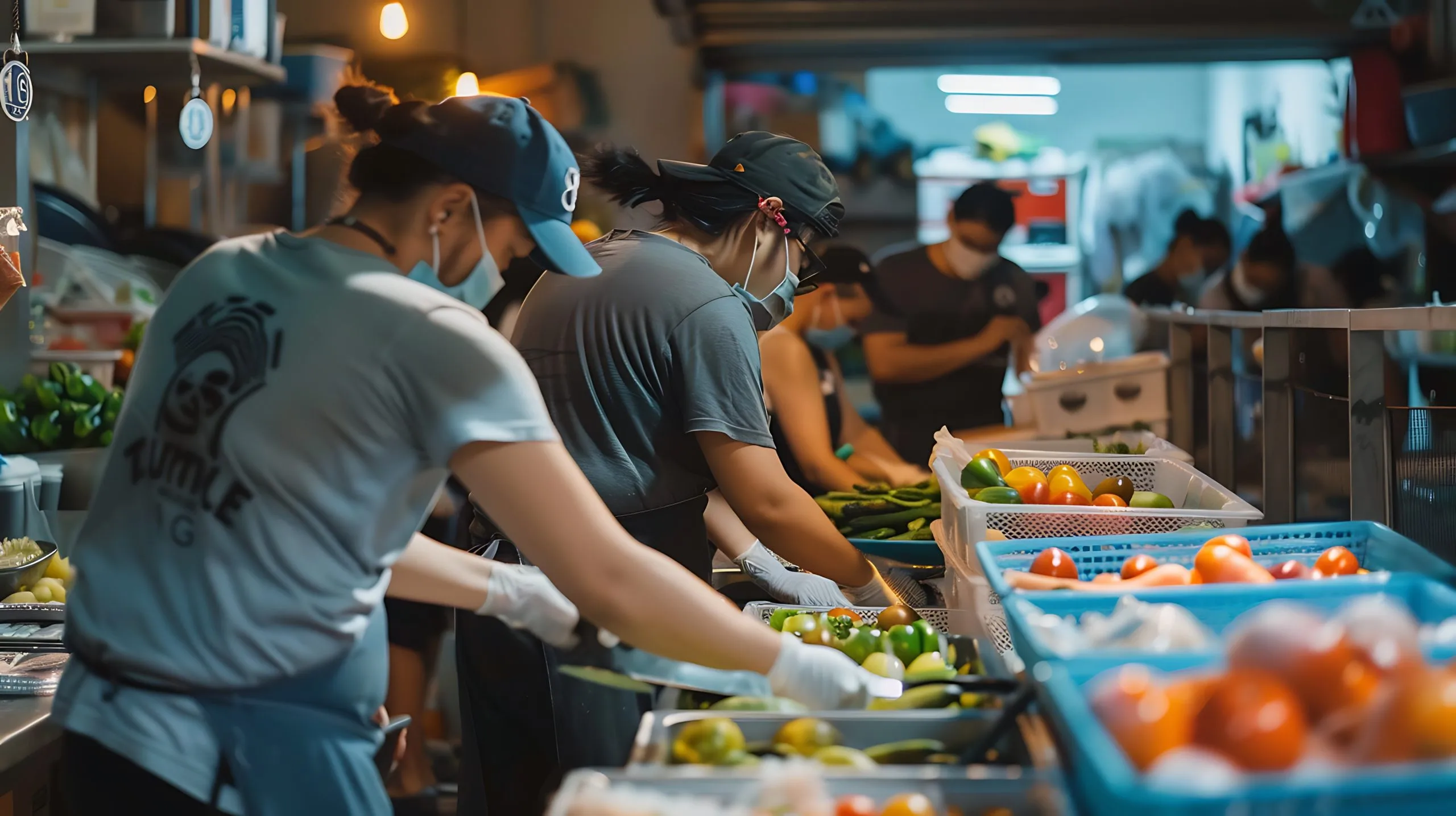
The UK foodservice market is undergoing a steady transformation as consumers look for more convenient, flexible, and experience-driven dining options. From quick-service restaurants and cafés to delivery platforms and premium dining outlets, the sector is adapting to new lifestyles and spending patterns. The market was valued at around USD 99.19 billion in 2025 and is expected to grow strongly over the coming years. Rising urbanization, digital ordering, and growing demand for diverse cuisines are reshaping how people eat, order, and engage with foodservice brands across the UK.
Key market drivers are reshaping the UK foodservice industry
Digital ordering and food delivery are changing consumer expectations
One of the strongest growth drivers in the UK foodservice market is the rapid adoption of digital ordering and delivery services. Consumers increasingly expect restaurants and cafés to offer seamless app-based ordering, faster delivery, and convenient payment options. The UK food delivery market is projected to reach around £14.3 billion in 2025, showing how delivery has become a mainstream part of food consumption rather than an occasional service. Quick-service restaurants, cloud kitchens, and casual dining brands are using technology to manage orders, improve delivery speed, and reach customers beyond physical locations.
Consumers are spending on convenience, quality, and experience
Busy lifestyles are encouraging consumers to choose foodservice options that save time without compromising quality. At the same time, many diners are looking for memorable experiences, whether through premium menus, global cuisines, healthier meals, or social dining spaces. Restaurants are responding with personalized menus, seasonal offerings, and value-led meal formats. The UK’s strong café culture, growing takeaway demand, and interest in casual dining continue to support market growth across both urban and suburban areas.
Innovation in menus and formats is supporting brand expansion
Foodservice operators are increasingly experimenting with new formats to stay relevant. Brands are investing in plant-based meals, health-focused menus, delivery-only kitchens, and smaller outlet models to serve different customer groups. Menu innovation is also being influenced by sustainability, local sourcing, and changing dietary preferences. As competition increases, businesses that can balance affordability, taste, speed, and experience are better placed to capture repeat customers.
Government support and policy measures are influencing sector recovery
Government initiatives and policy measures continue to play an important role in shaping the UK foodservice market. Support for retail, hospitality, and leisure businesses through business rates relief has helped many operators manage cost pressures, although changes to relief structures remain a concern for some businesses. Wider efforts to support high streets, simplify planning rules, and encourage local business investment can also benefit restaurants, cafés, pubs, and takeaway outlets. These measures are especially important for small and independent foodservice operators that face higher operating costs and thinner margins.
Competitive landscape is becoming more digital and experience focused
The UK foodservice market is highly competitive, with international chains, domestic restaurant groups, independent cafés, pubs, delivery platforms, and cloud kitchen operators all competing for consumer attention. Major brands are focusing on digital ordering, loyalty programs, menu innovation, and faster service models. Independent operators are differentiating themselves through local identity, fresh ingredients, personalized service, and niche cuisine offerings. As competition intensifies, customer experience, pricing, convenience, and brand trust are becoming key factors that influence long-term success.
Market challenges continue to pressure foodservice operators
Rising costs are affecting margins and menu pricing
Foodservice businesses in the UK continue to face pressure from rising food, energy, rent, and labour costs. These cost increases can reduce margins and force operators to raise menu prices, which may affect price-sensitive consumers. For smaller restaurants and cafés, balancing affordability with profitability remains a major challenge.
Labour shortages and changing consumer spending create uncertainty
Staff recruitment and retention remain difficult in parts of the hospitality sector. At the same time, cost-of-living pressures can make consumers more selective about where and how often they eat out. Operators need to manage staffing, pricing, and service quality carefully to remain competitive in a cautious spending environment.
Future outlook
The future of the UK foodservice market remains promising, supported by digital transformation, delivery growth, menu innovation, and evolving consumer lifestyles. The market is forecast to grow from around USD 99.19 billion in 2025 to nearly USD 212.17 billion by 2035, reflecting strong long-term potential. Brands that invest in technology, customer experience, sustainable sourcing, and flexible service formats are likely to gain an advantage. As consumers continue to value convenience, quality, and meaningful dining experiences, the UK foodservice industry is expected to remain resilient and opportunity-rich.
Consultants at Nexdigm, in their latest publication “UK foodservice market outlook to 2035,” analyze the sector By Service Type (Outlet Density, Average Ticket Size, Throughput Capacity), By Cuisine Type (Menu Diversity, Consumer Preference Index, Average Spend Per Visit)
Nexdigm suggests that businesses in the UK foodservice market should focus on digital ordering, delivery optimization, and customer experience to stay competitive.
To take the next step, simply visit our Request a Consultation page and share your requirements with us.
Harsh Mittal
+91-8422857704