
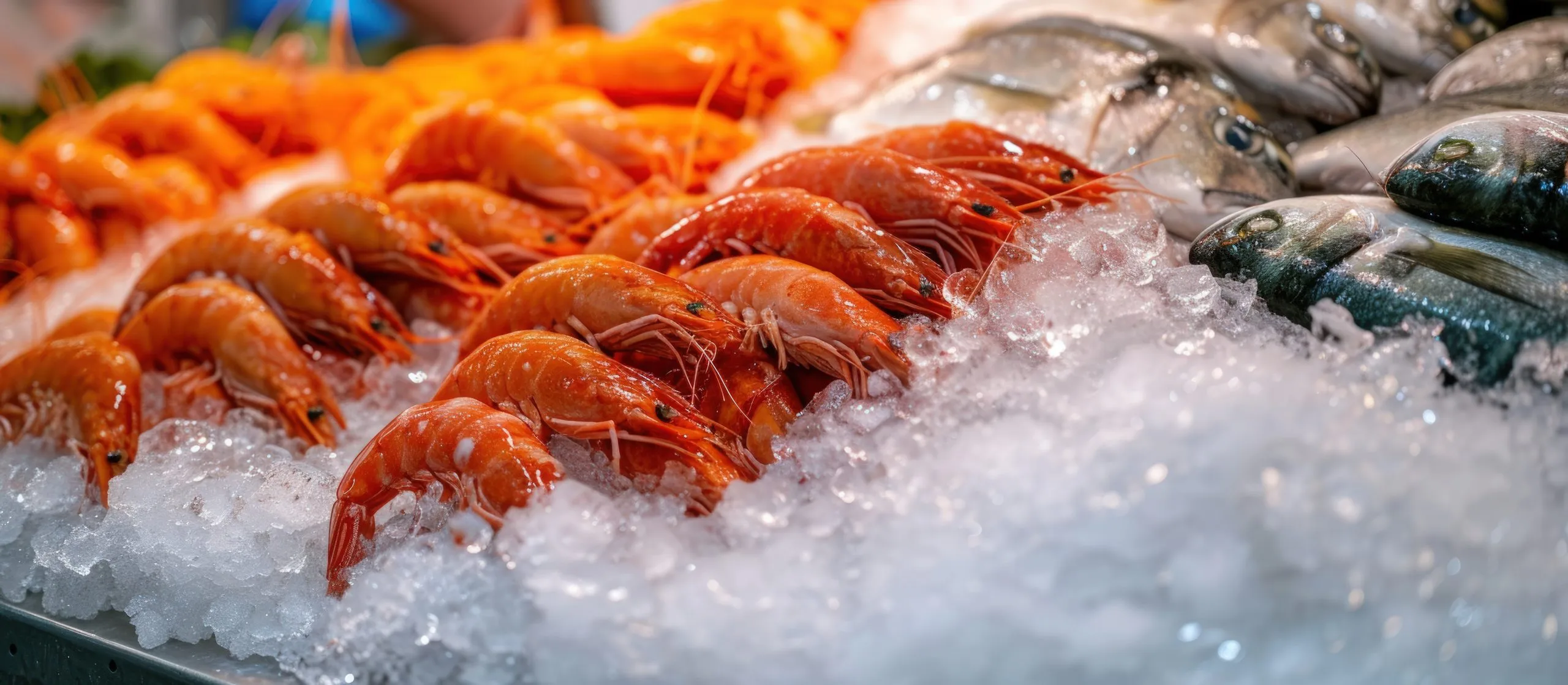
The UK frozen seafood market is evolving steadily as consumers seek affordable, convenient, and nutritious meal options. Frozen fish and seafood products such as fillets, prawns, and coated fish are widely consumed across households and foodservice channels. The market is currently valued at around USD 2.5 billion, with consumption exceeding 400 thousand tons annually. Frozen seafood also accounts for a significant share of retail sales, contributing nearly 36% of seafood volume in supermarkets. As economic pressures influence buying behavior, frozen seafood is emerging as a practical and cost-effective choice for British consumers.
Key Growth Drivers of the UK Frozen Seafood Market
Rising Demand for Affordable Protein Options
One of the strongest drivers of the UK frozen seafood market is the growing demand for affordable protein. With the ongoing cost-of-living pressures, consumers are increasingly looking for value-for-money food options. Frozen seafood provides a cost-effective alternative to fresh fish, often offering savings of up to 58% compared to chilled products. This affordability, combined with its longer shelf life, makes frozen seafood an attractive option for households managing tight budgets. It also reduces food waste, which is an important consideration for consumers seeking economical and sustainable choices.
Strong Preference for Convenience and Ready to Cook Meals
Convenience remains a critical factor influencing the UK frozen seafood market. Busy lifestyles and the growing popularity of home cooking are driving demand for easy-to-prepare meal solutions. Products such as frozen fish fillets, fish fingers, and breaded seafood are widely used because they are quick to cook and require minimal preparation. Frozen fish fillets alone account for around 80% of consumption volume, highlighting their dominance in the category. This preference for convenience is especially strong among working professionals and families, reinforcing the market’s steady growth.
Expanding Retail and Supermarket Distribution
The extensive retail network in the UK plays a key role in supporting the frozen seafood market. Supermarkets and hypermarkets continue to expand their frozen food sections, improving product availability and variety. Retail seafood sales have exceeded £4.3 billion in recent years, with frozen products accounting for a significant share of both volume and value. Private-label offerings from supermarkets are also gaining traction, providing consumers with affordable and high-quality alternatives. This strong retail presence ensures that frozen seafood remains easily accessible across the country.
Government Support Strengthening the UK Frozen Seafood Market
Government bodies such as the Department for Environment, Food and Rural Affairs (Defra) play a crucial role in supporting the UK frozen seafood market. Policies promoting sustainable fishing practices, traceability, and food safety help ensure product quality and consumer trust. Additionally, awareness initiatives around healthy eating encourage seafood consumption, reinforcing demand. Sustainability certifications and import regulations also contribute to maintaining supply chain stability and environmental responsibility, supporting long-term market growth.
Competitive Landscape of the UK Frozen Seafood Market
The UK frozen seafood market is highly competitive, with a mix of domestic processors, global suppliers, and supermarket private-label brands. The country relies heavily on imports from nations such as Norway, Iceland, and China to meet demand. Companies are focusing on innovation, offering value-added products like pre-marinated fillets and ready meals. At the same time, retailers are strengthening their private-label portfolios to attract price-sensitive consumers. This competitive environment is driving continuous improvements in product quality and variety.
Market Challenges in the UK Frozen Seafood Market
Dependence on Imports and Supply Chain Risks
One of the key challenges in the UK frozen seafood market is its heavy reliance on imports. Fluctuations in global supply, geopolitical factors, and currency changes can impact pricing and availability. Maintaining a stable and resilient supply chain is therefore essential to sustain market growth and meet consumer demand.
Perception of Frozen vs Fresh Seafood
Despite growing acceptance, some consumers still perceive frozen seafood as inferior to fresh alternatives. This perception can limit market penetration, particularly among premium consumer segments. However, advancements in freezing technology and improved product quality are gradually changing these perceptions, helping build greater consumer confidence over time.
Future Outlook
The future of the UK frozen seafood market is expected to be stable, with moderate growth driven by affordability and convenience. The market is projected to expand at a CAGR of around 1.8%, reflecting steady demand across retail and foodservice channels. As economic conditions continue to shape consumer behavior, frozen seafood will remain a preferred choice for budget-conscious households. At the same time, innovation in product formats and sustainable sourcing will play a key role in attracting new consumers. In the long run, the UK frozen seafood market is likely to strengthen its position as a reliable and economical source of protein, balancing value, quality, and sustainability in a dynamic food landscape.
Consultants at Nexdigm, in their latest publication “UK Frozen Seafood Market Outlook to 2035,” analyze the sector By Species Type (Cod, Haddock, Salmon, Prawns and Shrimps, Pollock), By Product Format (Frozen Fillets and Portions, Breaded Battered Seafood, Frozen Shellfish).
Nexdigm suggests that businesses should leverage the UK frozen seafood market’s strong value-driven demand by focusing on affordability, private-label partnerships, and value-added product innovation, while strengthening import sourcing strategies and sustainable supply chains to navigate price pressures and evolving consumer preferences toward convenient, budget-friendly frozen protein options.
To take the next step, simply visit our Request a Consultation page and share your requirements with us.
Harsh Mittal
+91-8422857704