
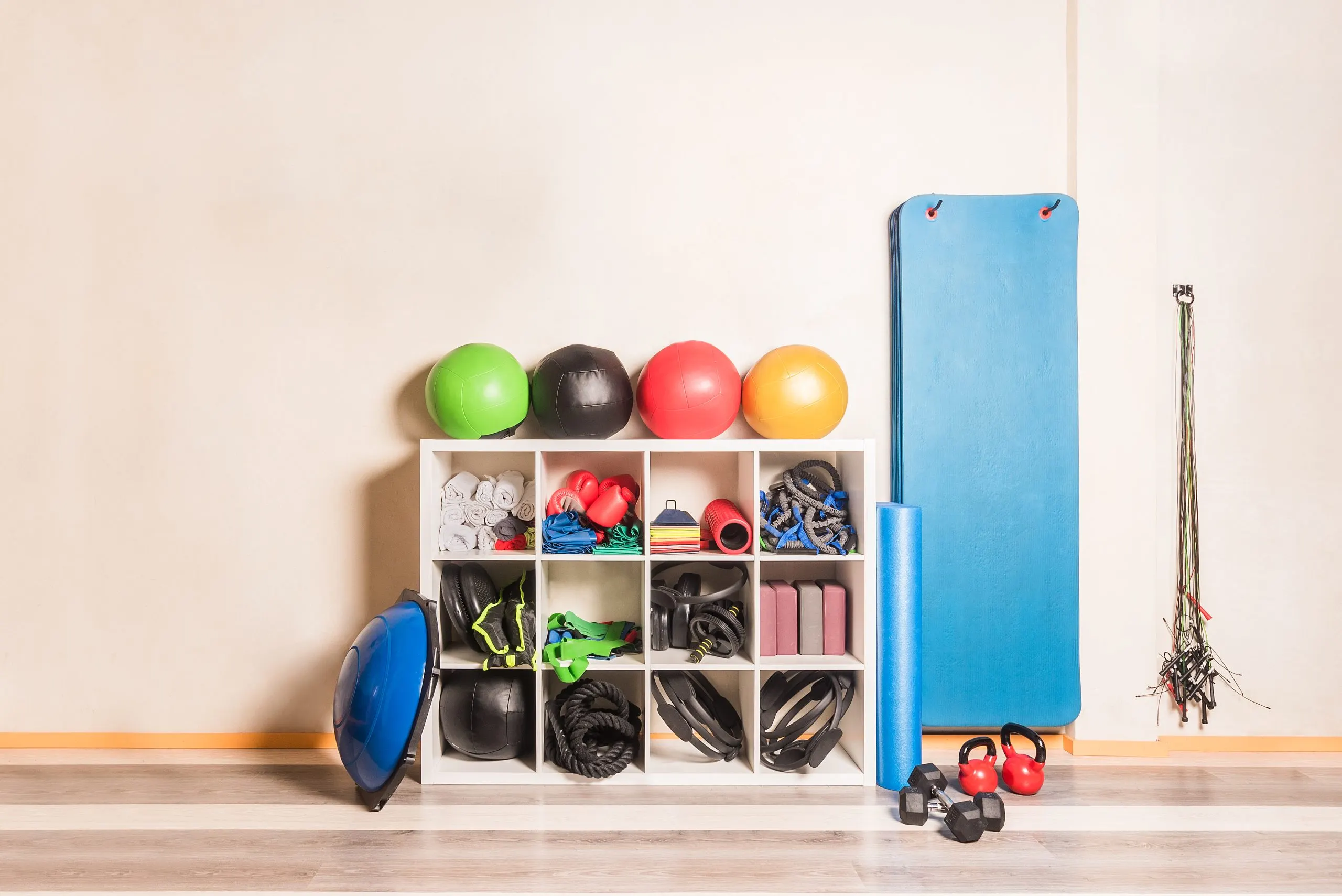
The UK home fitness equipment market is moving beyond short-term workout trends and becoming part of everyday health routines. More consumers are choosing equipment that helps them stay active without depending fully on gyms, commute times, or fixed class schedules. The UK home fitness equipment market is expected to reach heights, showing strong demand for at-home workout solutions. This shift is shaped by busy lifestyles, hybrid working, digital fitness platforms, and growing interest in long-term wellness. As we move ahead, home fitness is expected to become more connected, compact, and personalized.
Major Factors behind UK Consumers Bringing Fitness Home
Health Awareness Is Driving Everyday Fitness Choices
Health and wellness are becoming stronger priorities for UK consumers, especially as people November look for practical ways to manage weight, improve mobility, reduce stress, and support long-term health. Sport England’s latest Active Lives data shows that 64.6% of adults in England completed at least 150 minutes of moderate-intensity physical activity per week. This indicates a large active population that may continue investing in convenient fitness tools. At the same time, many consumers still need flexible options to stay consistent. Home equipment such as treadmills, exercise bikes, rowing machines, resistance bands, and adjustable dumbbells helps people fit movement into daily routines.
Hybrid Working Is Supporting At-Home Workouts
Hybrid and remote working patterns have changed how many people plan their day. Instead of limiting workouts to gym visits before or after work, consumers can now exercise during short breaks, early mornings, or evenings at home. This makes home fitness equipment more practical for professionals, parents, and older adults. Compact products are especially attractive in UK households where space may be limited. Foldable treadmills, under-desk walking pads, adjustable weights, and multifunctional strength systems are gaining attention because they offer flexibility without requiring a dedicated gym room.
Smart Fitness Is Making Workouts More Engaging
Connected fitness is reshaping consumer expectations. Users increasingly want equipment that links with apps, tracks progress, offers guided workouts, and provides personalized feedback. Smart bikes, interactive treadmills, connected rowers, and app-enabled strength tools help create a more engaging home workout experience. For brands, this creates opportunities beyond equipment sales. Subscription-based classes, digital coaching, progress dashboards, and wearable integrations can help improve customer loyalty. By next decade, smart equipment is likely to play a larger role in how UK consumers manage fitness at home.
UK Government Support Encouraging Public Fitness Movement
Government and public health guidance continue to support active lifestyles across the UK. The NHS recommends that adults aged 19 to 64 should do at least 150 minutes of moderate-intensity activity per week or 75 minutes of vigorous activity, along with strengthening activities on at least two days a week. These recommendations indirectly support the home fitness equipment market by encouraging people to build regular movement into daily life. Public campaigns around obesity prevention, active ageing, heart health, and mental well-being also reinforce the value of consistent exercise. Home equipment helps turn these recommendations into practical routines.
Competitive Insights of the UK Home Gym
The UK market includes global fitness equipment brands, connected fitness companies, sporting goods retailers, e-commerce platforms, and local distributors. Competition is increasingly focused on affordability, durability, compact design, smart features, delivery convenience, and after-sales service. Consumers are not only looking for advanced equipment; they want products that fit their homes, budgets, and fitness levels. Brands that combine reliable hardware with digital content, flexible financing, and strong customer support are better positioned. The market is also seeing more interest in space-saving equipment for apartments and smaller homes.
Challenges Slowing down Home Fitness Equipment Market Growth in the UK
Cost and Subscription Fatigue
Price remains one of the biggest barriers for the UK home fitness equipment market. Premium smart treadmills, bikes, rowers, and connected strength systems can require a high upfront investment. Many products also come with monthly subscriptions for classes, coaching, or full app access. This can make consumers more cautious, especially during periods of pressure on household budgets. Budget equipment, second-hand machines, free fitness apps, and gym memberships may continue to compete with premium connected products.
Space Constraints and Long-Term Usage
Space is another practical challenge. Many UK homes and flats do not have enough room for bulky machines, making compact and foldable designs essential. Consumers may avoid large equipment if it feels difficult to store or move. Long-term usage is also a concern. Some users buy equipment with strong motivation but reduce usage over time. Brands will need to focus on engaging content, progress tracking, simple product design, and personalized programs that help users stay consistent.
Future Outlook
As we move ahead, the UK home fitness equipment market is expected to become more digital, compact, and wellness focused. Demand will likely be supported by health awareness, hybrid lifestyles, smart fitness adoption, and continued public focus on physical activity. The UK markets are expected to grow rapidly, which provides a strong base for future expansion. The strongest opportunities will come from equipment that is affordable, easy to store, connected to digital platforms, and suitable for different fitness levels. Companies that solve real consumer problems of space, cost, motivation, and convenience will be better placed to grow. Home fitness is likely to become part of a broader wellness ecosystem that includes apps, wearables, coaching, recovery tools, and preventive health tracking.
Consultants at Nexdigm, in their latest publication “UK Home Fitness Equipment Market Outlook to 2035” analyze the sector by Product Category (Cardiovascular Equipment, accessories and Support, Strength and Resistant Equipment, Smart Devices), by Price Category (Mass/Economy Tier, Mid-range Products, Premium Tier Equipment).
Nexdigm suggests that businesses should focus on compact, affordable, and digitally connected fitness equipment suited to UK homes and hybrid lifestyles. Companies should strengthen app-based training, flexible pricing, after-sales service, and personalized workout features to improve customer retention and capture long-term opportunities in the UK home fitness equipment market.
To take the next step, simply visit our Request a Consultation page and share your requirements with us.
Harsh Mittal
+91-8422857704