
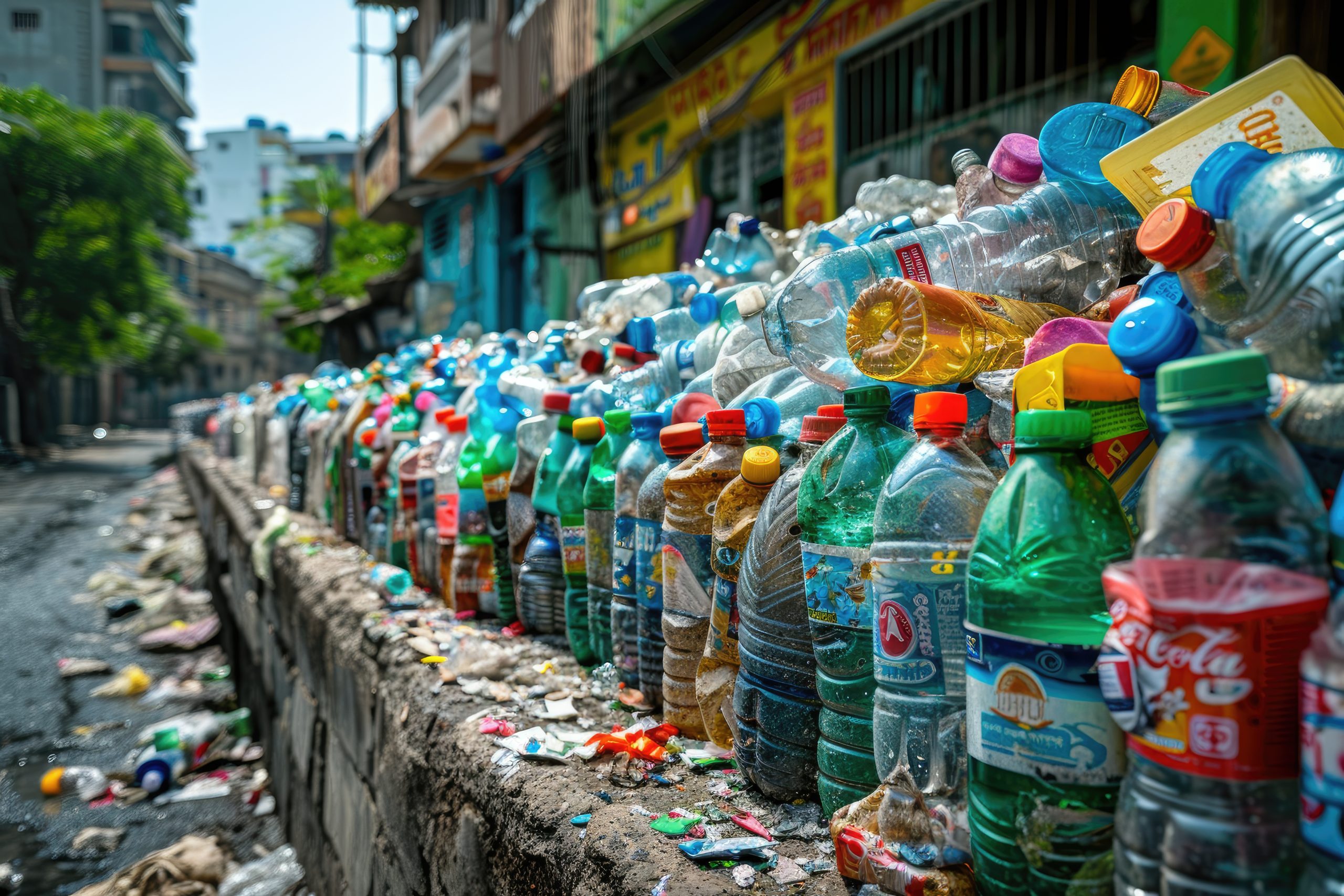
The UK plastics market is undergoing structural change as manufacturers balance demand for versatile, lightweight materials with stricter recycling and circularity requirements. Packaging, construction, automotive, healthcare, electronics, and consumer goods continue to support polymer consumption. At the same time, recycled-content requirements and producer responsibility are reshaping material choices. Provisional government data show that the UK recycled 1.154 million tonnes of plastic packaging in 2024, with a plastic packaging recycling rate of 53.7% under the newer reported-packaging-data methodology. These trends are creating opportunities for recyclers, converters, and advanced-material suppliers.
Market Drivers Powering the Next Wave of UK Plastics Demand
Packaging Demand Shifts Toward Recycled Content
Packaging remains a significant area for plastics because of its durability, flexibility, barrier properties, and low weight. However, the composition of packaging is changing as businesses seek higher recycled content and more recyclable formats. HMRC data show that 1.569 million tonnes of plastic packaging containing at least 30% recycled content qualified for relief from the Plastic Packaging Tax in 2024–25, up from 1.290 million tonnes in 2022–23. This shift is strengthening demand for high-quality recycled polymers and improved sorting and reprocessing capacity.
Construction and Mobility Create Higher-Value Applications
Plastics are widely used in insulation, pipes, flooring, windows, cables, vehicle interiors, and lightweight components. Energy efficiency requirements in buildings and continued vehicle lightweighting can support demand for engineering polymers and composites. The transition toward electric mobility also creates opportunities for plastics in battery components, electrical insulation, thermal-management systems, and lightweight structural applications.
Material Innovation Redefines Product Development
Manufacturers are increasingly focusing on mono-material packaging, advanced polymers, recycled resins, and designs that use less virgin material. This creates scope for suppliers that can combine technical performance, recyclability, regulatory compliance, and competitive production costs.
UK Government Policies Influencing Plastics Demand in the Country
Government policy is accelerating changes in plastic packaging. The Plastic Packaging Tax is £228.82 per tonne for applicable packaging containing less than 30% recycled plastic. The UK’s packaging Extended Producer Responsibility system also shifts household packaging waste-management costs toward producers and creates incentives to reduce unnecessary packaging and improve recyclability. The plastic packaging recycling obligation rises from 55% in 2025 to 59% in 2027.
Major Competitors Shaping the UK Plastics Market
Competition increasingly revolves around more than resin pricing and manufacturing scale. Producers, converters, packaging companies, and recyclers are differentiating themselves through recycled-content availability, lightweight designs, technical performance, traceability, and recyclability. As regulatory requirements expand, businesses with established recycling partnerships, reliable sources of secondary polymers, and capabilities in advanced material formulation may be better positioned to respond to changing customer specifications and compliance requirements.
Key Challenges Affecting the UK Plastics Market Growth
Recycling Economics Remain Under Pressure
Expanding circularity requires reliable collection, sorting, and reprocessing infrastructure. Mixed materials, contamination, inconsistent feedstock quality, and the economics of recycled versus virgin polymers can complicate investment. Despite progress, provisional data indicate that roughly 46% of plastic packaging was not recorded as recycled in 2024 under the newer methodology.
Compliance Adds New Cost Pressures
Plastic Packaging Tax, EPR fees, reporting requirements, and recycling obligations increase the operational complexity facing manufacturers and importers. Large producers under EPR must meet recycling obligations and pay applicable household packaging waste-disposal fees.
Future Outlook
As we look ahead, the UK plastics market is expected to become increasingly circular, technologically advanced, and compliance-driven. Conventional polymers should retain important roles where durability, hygiene, lightweighting, and performance remain critical, while recycled plastics and design-for-recycling approaches gain prominence. The expansion of EPR and recycled-content incentives should further influence packaging decisions and investment in recycling capacity. For market participants, future opportunities are likely to center on high-quality recycled polymers, engineering plastics, lightweight solutions, improved material traceability, and products designed for easier recovery and reuse.
Consultants at Nexdigm, in their latest publication “UK Plastics Market Outlook to 2035,” analyze the sector By Polymer Type (Polyethylene, High density Polyethylene, Low Density Polyethylene, Polypropylene, Polyurethane and Polyvinyl Chloride), By Product Form (Plastic Films and Sheets, Plastic Foams and Plastic Mold and Components), By Region (England, Lond and Southeast England, Midlands, Wales and Scotland)
Nexdigm suggests that businesses in the UK Plastics Market must prioritize recycled-content integration, and efficient manufacturing while adapting to evolving regulations. Companies should strengthen recycling partnerships and invest in advanced polymers to capture opportunities across packaging, construction, automotive, and healthcare applications.
To take the next step, simply visit our Request a Consultation page and share your requirements with us.
Harsh Mittal
+91-8422857704