
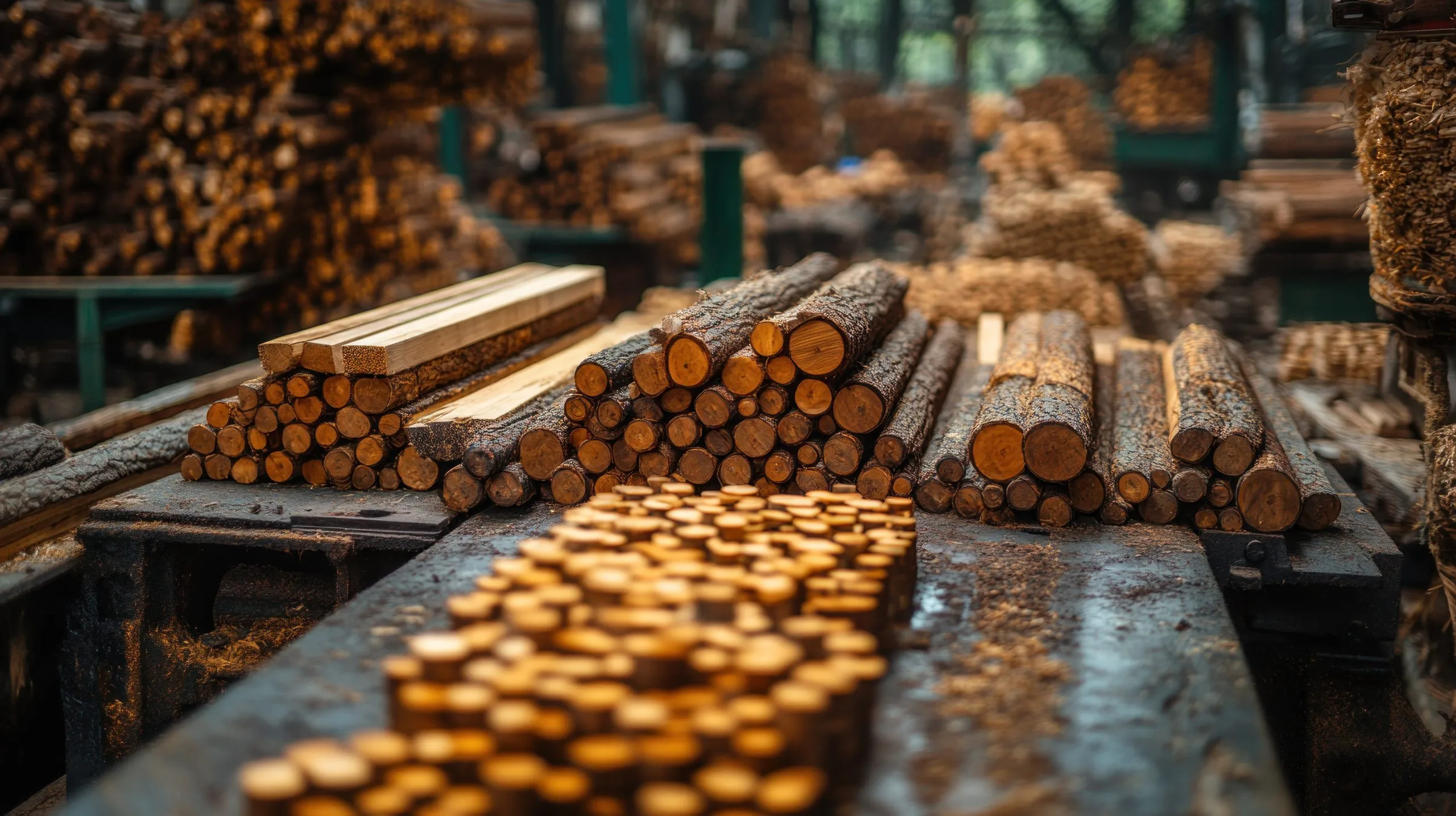
The UK sawnwood market remains important to the country’s construction, housing, furniture, joinery, packaging, and repair sectors. Sawnwood is widely used in structural framing, roofing, flooring, doors, windows, decking, fencing, pallets, crates, and interior wood applications because it offers strength, workability, renewability, and design flexibility. The UK sawnwood market was valued at USD 2.8 billion and is projected to reach USD 3.7 billion, with consumption moving toward 11 million cubic meters. Demand is being supported by housing needs, refurbishment activity, timber-frame construction, and rising interest in lower-carbon building materials.
Key market drivers are strengthening sawnwood demand in the UK
Housing construction and renovation activity are supporting core demand
Housing remains one of the biggest demand centers for sawnwood in the UK. Timber is used across roof trusses, floor joists, wall systems, internal partitions, garden structures, decking, fencing, and interior finishing. Even when new housing activity faces pressure from interest rates or planning delays, renovation and repair work continues to support steady wood consumption. Homeowners, landlords, and contractors use sawnwood for extensions, loft conversions, garden buildings, kitchens, flooring, and structural upgrades. UK sawnwood consumption volume is expected to grow at 1.5% CAGR, showing continued demand across construction and improvement applications. For many builders, sawnwood remains practical because it is familiar, flexible, and relatively easy to install.
Sustainable building materials are improving timber’s long-term relevance
The UK construction sector is under pressure to reduce embodied carbon, improve energy efficiency, and use more sustainable materials. Sawnwood benefits from this shift because responsibly sourced timber can support lower-carbon construction compared with more emissions-intensive materials. Timber-frame housing, engineered wood systems, certified wood products, and refurbishment-led construction are helping strengthen market relevance. Coniferous sawnwood dominates the UK market, accounting for 95% of consumption and 99% of local production, largely because softwood is widely used in structural and general construction applications. As architects and developers focus more on lifecycle performance, certified and traceable timber products are gaining importance.
Joinery, furniture, and packaging applications are widening market use
Sawnwood also supports furniture manufacturing, staircases, doors, windows, cabinetry, pallets, crates, and industrial packaging. Non-coniferous sawnwood demand is projected to reach 568 thousand cubic meters and USD 468 million in value, reflecting continued use of hardwoods in premium interiors and specialist applications.
Government housing and sustainability initiatives are supporting timber use
Government priorities around housing supply, infrastructure improvement, building safety, net-zero targets, woodland creation, and sustainable construction influence the UK sawnwood market. Policies that encourage low-carbon buildings and responsible sourcing can increase interest in certified timber and timber-frame construction. Support for domestic forestry and woodland expansion may also improve long-term raw material availability, although the UK remains dependent on imported timber for a large share of demand. Housing programs, retrofit activity, and public-sector construction indirectly support sawnwood consumption by creating demand for framing, joinery, roofing, repair, and refurbishment materials.
Competitive landscape is shaped by importers, sawmills, merchants, and wood product suppliers
The UK sawnwood market includes domestic sawmills, timber importers, builders’ merchants, distributors, wholesalers, treatment plants, joinery suppliers, packaging producers, and engineered wood companies. Competition is shaped by price, species availability, grading, moisture content, certification, delivery reliability, and customer service. Suppliers serve housebuilders, contractors, merchants, furniture makers, joinery workshops, pallet manufacturers, and DIY retailers. Companies with reliable import relationships, strong merchant networks, sustainable sourcing credentials, and value-added services such as kiln drying, treatment, machining, and pre-cut solutions are better positioned to compete.
Market challenges continue to affect supply reliability and buyer confidence
Import dependence can increase exposure to external shocks
The UK relies heavily on imported sawnwood, making the market sensitive to currency movements, freight costs, trade conditions, supplier availability, and demand shifts in exporting countries. These factors can influence price stability and lead times.
Planning delays and cost pressures can slow construction demand
Housing affordability, planning bottlenecks, labor shortages, raw material costs, and higher borrowing costs can affect construction activity. Slower building cycles may reduce short-term sawnwood demand.
Future outlook
The future outlook for the UK sawnwood market remains steady, supported by housing needs, renovation activity, sustainable construction, timber-frame building, joinery demand, and packaging use. Market value is projected to grow at 2.5% CAGR, while domestic production has reached 3 million cubic meters. Opportunities are expected across coniferous structural timber, treated softwood, decking, fencing, roof trusses, timber-frame systems, hardwood joinery, furniture-grade lumber, pallets, and certified wood products. Businesses that invest in supply-chain resilience, sustainable certification, machining capabilities, treatment capacity, digital inventory management, and low-carbon product positioning will be better placed for long-term growth.
Consultants at Nexdigm, in their latest publication “UK sawnwood market outlook to 2035,” analyze the sector By Wood Species Type (Southern Yellow Pine Sawnwood, Douglas Fir Sawnwood, Spruce-Pine-Fir Sawnwood, Hem-Fir Sawnwood), By Product Form (Rough Sawn Lumber, Planed Sawnwood, Kiln-Dried Sawnwood)
Nexdigm suggests that businesses in the UK sawnwood market should focus on sustainable, certified, and application-specific timber products that support demand across housing construction, renovation, timber-frame building, joinery, packaging, and low-carbon construction.
To take the next step, simply visit our Request a Consultation page and share your requirements with us.
Harsh Mittal
+91-8422857704