
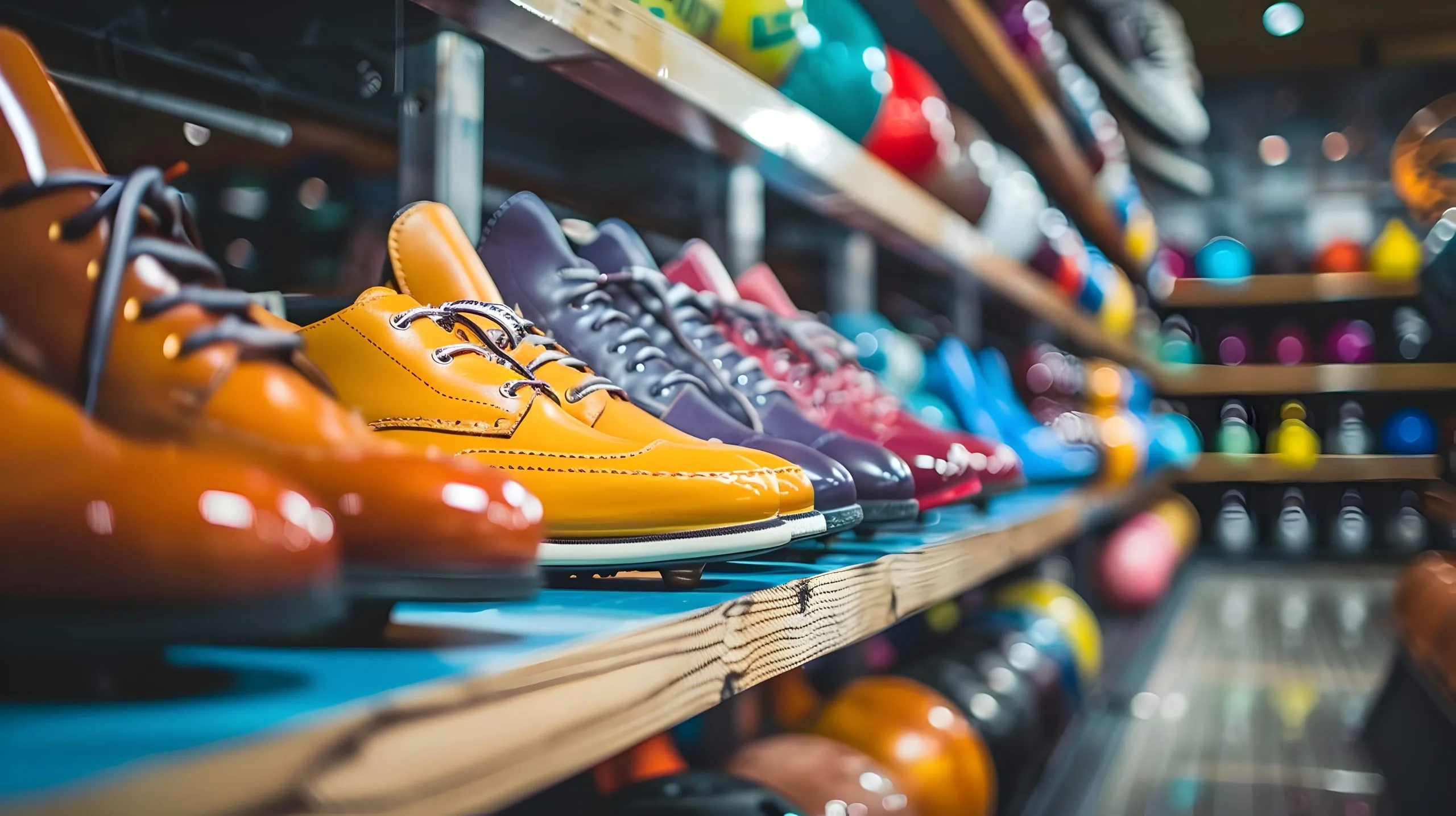
The UK sports shoes market is growing steadily, supported by rising fitness participation, athleisure adoption, strong sneaker culture, and demand for comfortable everyday footwear. Sports shoes are no longer used only for running, gym training, football, or court sports; they are now widely worn for commuting, casual workwear, travel, and lifestyle fashion. The broader UK footwear market generated around USD 15.62 billion in 2025 and is projected to reach USD 21.41 billion by 2033. Athletic footwear is expected to be the fastest-growing product segment, reflecting sustained consumer interest in active and comfort-led footwear.
Key Market Drivers: Fitness, Athleisure, and Sneaker Culture
Rising Fitness and Sports Participation
Increasing participation in sport and physical activity is a major driver of sports shoe demand in the UK. Sport England reported that 30 million adults in England, or 63.7% of the adult population, achieved at least 150 minutes of moderate physical activity per week between November 2023 and November 2024. This supports demand for running shoes, walking shoes, football boots, training footwear, tennis shoes, and gym-specific products. Consumers are also becoming more aware of injury prevention, cushioning, grip, arch support, and sport-specific footwear performance. Running clubs, fitness studios, outdoor activities, and recreational sports continue to create repeat-purchase demand.
Growth of Athleisure and Everyday Comfort
Athleisure remains a strong growth factor in the UK sports shoes market. Consumers increasingly prefer trainers and athletic-inspired shoes for daily use because they combine comfort, style, and versatility. Hybrid working, casual dress codes, public transport commuting, and active lifestyles have expanded the use of sports shoes beyond traditional exercise. Younger consumers are especially influenced by sneaker drops, celebrity partnerships, streetwear trends, and social media-led fashion.
Innovation and Sustainability in Footwear
Brands are investing in lightweight materials, advanced foam cushioning, breathable uppers, energy-return soles, carbon plates, and improved traction technologies. Sustainability is also gaining importance, with recycled materials, lower-carbon production, circular footwear initiatives, and repair or take-back programs becoming more visible. These innovations allow brands to differentiate products and support premium pricing.
Government Support: Sports Participation Programs
Government and public-sector initiatives indirectly support the UK sports shoes market by encouraging physical activity and grassroots sport. The UK government’s “Get Active” strategy aims to improve participation in sport and physical activity across communities, while Sport England’s “Uniting the Movement” strategy focuses on making movement more accessible. Public investment in school sport, community facilities, parks, leisure centres, and active transport also supports long-term demand for running, walking, training, and sport-specific footwear.
Performance and Lifestyle Brand Competition
The UK sports shoes market is highly competitive, with global brands such as Nike, Adidas, Puma, New Balance, ASICS, Skechers, Under Armour, HOKA, On, and Reebok competing across performance and lifestyle categories. Retailers such as JD Sports, Sports Direct, Foot Locker, and online marketplaces play a major role in distribution. Competition is shaped by innovation, brand equity, exclusive launches, athlete endorsements, pricing, digital channels, and product availability. Running, football, training, and lifestyle trainers remain key battlegrounds.
Price Pressure and Competitive Intensity
Consumer Spending Pressure
Sports shoes, especially premium trainers, are discretionary purchases and can be affected by inflation, weak consumer confidence, and pressure on household budgets. Shoppers may delay purchases, trade down, or wait for discounts and seasonal sales.
High Competition and Discounting
The UK market is crowded with global brands, private labels, and online sellers. Frequent promotions, outlet channels, and discount-led competition can pressure margins. Brands must balance innovation and premium positioning with affordability and inventory control.
Future Outlook
The UK sports shoes market is expected to grow steadily as consumers continue to combine fitness, comfort, and everyday style in their footwear choices. Demand will likely remain strong for running shoes, walking shoes, training footwear, football shoes, and lifestyle sneakers. Future growth will be shaped by advanced cushioning, lightweight materials, sustainable designs, smart footwear features, and inclusive sizing. As sports shoes become more closely linked with wellness and daily fashion, brands that balance performance, design, affordability, and sustainability are likely to gain stronger consumer loyalty.
Consultants at Nexdigm, in their latest publication “UK Sports Shoes Market Outlook to 2035,” analyze the sector By Product Type (Running Shoes, Training and Gym Shoes, Football and Soccer Shoes), By Material Type (Leather, Synthetic Materials, Textiles).
Nexdigm suggests that businesses should focus on comfort-led innovation, sustainable materials, and strong omnichannel retail strategies to strengthen their position in the UK sports shoes market. Brands can benefit by developing performance footwear for running, walking, training, football, and lifestyle use while balancing premium features with accessible pricing.
To take the next step, simply visit our Request a Consultation page and share your requirements with us.
Harsh Mittal
+91-8422857704