
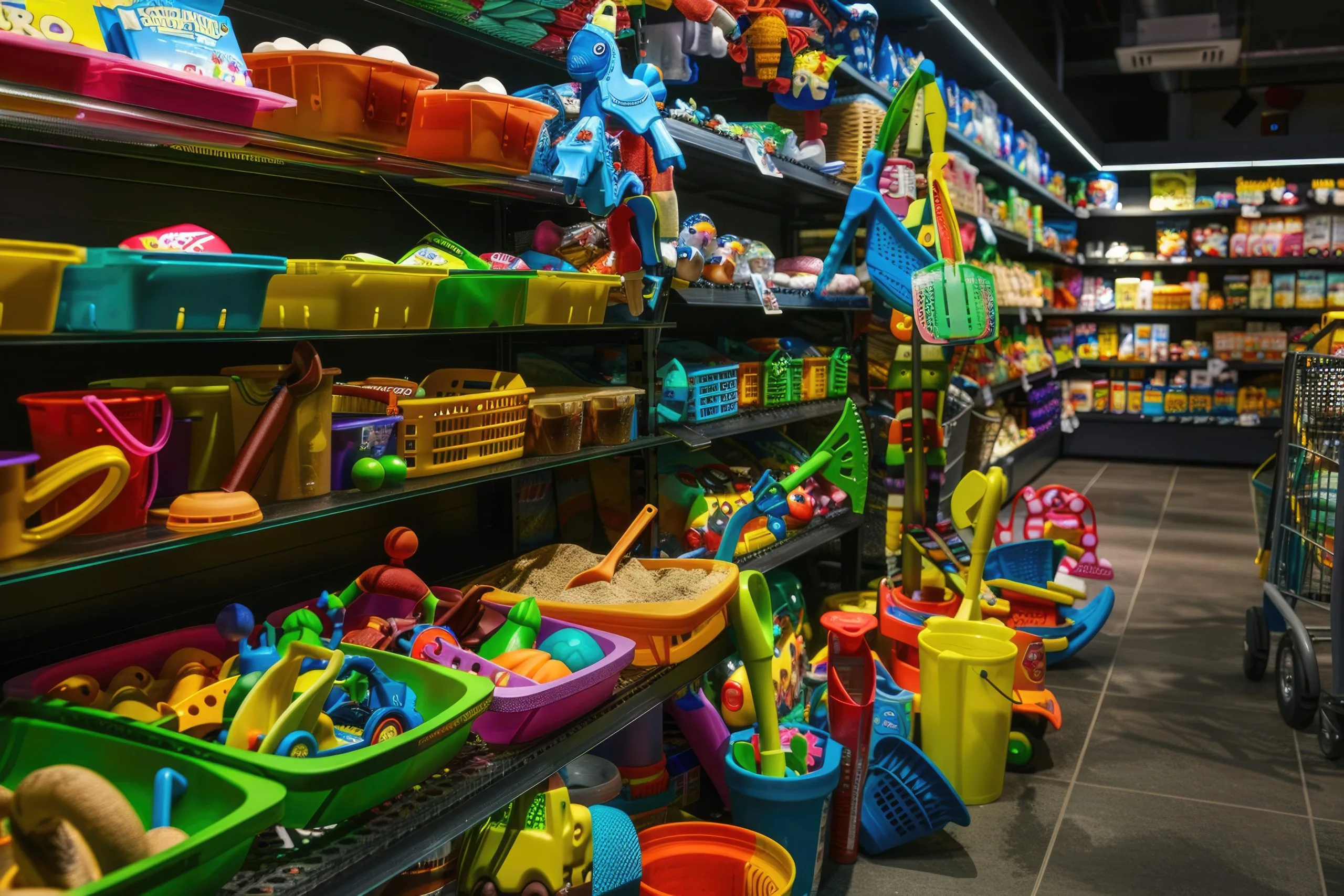
The UK toys and games market is changing as children, parents, educators, collectors, and adult hobby buyers look for products that offer more than simple entertainment. Toys are increasingly connected with learning, creativity, family bonding, digital engagement, and fan culture. The market includes traditional toys, puzzles, board games, plush toys, construction sets, electronic games, educational toys, licensed merchandise, and collectibles. The UK toys and games market is projected to reach nearly USD 22.06 billion, growing at a CAGR of 5.1%. This reflects steady demand from both children and adult consumers. By the next decade, the market is expected to become more experienced-led, shaped by educational play, licensed products, collectibles, digital-linked toys, and omnichannel retail.
Key Factors Driving the UK Toys and Games Market
Educational Toys Become a Stronger Purchase Priority
Educational toys are becoming a major growth area in the UK as parents place greater value on products that support learning and development. STEM kits, coding toys, puzzles, science sets, construction toys, art products, and language-based games are gaining demand because they combine entertainment with practical skill-building. These products help children build creativity, confidence, motor skills, communication ability, and problem-solving skills. This trend is also supported by growing interest in screen-balanced play. Many parents want toys that keep children engaged without relying only on passive digital entertainment.
Licensed Toys Collectibles and Adult Buyers Expand Market Demand
Licensed toys and collectibles remain important growth drivers in the UK toys and games market. Products linked to films, streaming shows, gaming characters, sports, anime, books, and popular entertainment franchises continue to attract children, teenagers, and adult fans. These products benefit from strong brand recall, emotional connection, gifting demand, and fan-led purchasing. Adult consumers are also becoming more important to the market.
Omnichannel Retail Changes How UK Consumers Buy Toys
Retail channels are reshaping how toys and games are discovered and purchased in the UK. Consumers increasingly use online marketplaces, brand websites, retailer apps, social media content, influencer recommendations, and customer reviews before making buying decisions. E-commerce makes it easier to compare prices, access niche products, and discover licensed or collectible items that may not be available in every physical store. At the same time, physical toy stores, supermarkets, department stores, and specialty retailers remain important for seasonal gifting, product discovery, and impulse purchases. Christmas remains a major sales period, contributing around GBP 0.9 billion, or 23% of annual UK toy sales. Retailers that connect digital convenience with in-store experience are likely to perform better. Click-and-collect, exclusive launches, loyalty programmes, festive displays, and personalized promotions can help brands maintain stronger consumer engagement.
Government Support towards UK Toys and Games Market Growth
Government influence in the UK toys and games market is mainly focused on product safety, consumer protection, and child development. Toy products must comply with UK safety regulations covering age labeling, chemical limits, choking hazards, flammability, product testing, and traceability. These standards help parents trust the products they buy and reduce risks for children. Education-focused policies and school learning initiatives also indirectly support demand for STEM kits, learning games, puzzles, robotics toys, and creative development products. As families and schools place more emphasis on practical learning, toys that support skill development may see wider acceptance. For manufacturers, importers, and retailers, compliance is a core market requirement. Clear labeling, safe materials, responsible design, and transparent product information will remain important for long-term credibility.
Competitive Landscape of the UK Toys and Games Market
The UK toys and games market is highly competitive, with global toy companies, domestic brands, private-label players, specialty retailers, e-commerce platforms, board game publishers, and collectible-focused businesses competing across multiple categories. Competition is shaped by brand strength, licensing partnerships, product innovation, pricing, quality, safety compliance, and retail visibility. Large brands often lead in licensed toys, electronic games, dolls, construction sets, and collectibles, while smaller companies compete through educational value, sustainable materials, niche designs, local relevance, and direct-to-consumer models. Strong holiday planning and quick response to trends remain critical. As the market becomes more segmented, companies need to understand different buyer groups more clearly. Parents, children, adult collectors, schools, and gift buyers often have different expectations around price, quality, purpose, and brand appeal.
Challenges Facing the UK Toys and Games Market
Price Sensitivity and Cost Pressure Affect Buying Decisions
UK consumers remain price-conscious, especially during periods of inflation and higher household costs. Toys and games are often discretionary purchases, which means families may delay buying premium products, choose lower-cost alternatives, or wait for promotional discounts. Rising manufacturing, shipping, packaging, labour, and licensing costs can also pressure margins for brands and retailers. This creates a difficult balance for companies. They must keep products affordable while still maintaining safety, quality, packaging appeal, and brand value.
Fast-Changing Trends Create Inventory and Planning Risks
Toy demand can shift quickly when linked to entertainment releases, social media trends, gaming communities, or collectible waves. A product that performs strongly in one season may lose momentum soon after. This creates inventory risk and makes forecasting difficult, especially for retailers managing holiday stock. Brands must also compete for attention in a crowded entertainment environment. Better demand forecasting, flexible supply chains, smaller product drops, and stronger consumer insight will become increasingly important.
Future Outlook
The UK toys and games market is expected to remain resilient, supported by educational play, licensed merchandise, collectibles, family games, digital-linked products, and omnichannel retail expansion. Demand will come from children, parents, schools, gift buyers, adult collectors, and hobby communities, making audience-specific product strategies more important. Future growth will depend on how effectively brands balance affordability, safety, innovation, sustainability, and cultural relevance. STEM toys, family board games, premium collectibles, sustainable materials, nostalgia-led products, and entertainment-based toy lines are expected to create strong opportunities. In the coming years, the UK market is likely to become more segmented, more experienced, and more closely connected to learning, entertainment, and fan-based communities.
Consultants at Nexdigm, in their latest publication “UK Toys & Games Market Outlook to 2035,” analyze the sector By Product Type (Building Sets, Puzzles, Plush Toys, Action Figures, Playsets, Dolls, Roll Play Toys), by Age Groups (Infants, Toddlers, Adults, Pre School Children, Primary School Children), by Distribution Channel (Specialty Stores, E Commerce Marketplaces, Supermarkets, Grocery Stores)
Nexdigm suggests that businesses should focus on product innovation, safety compliance, omnichannel retail strategies, and consumer-specific product portfolios to strengthen their position in the UK toys and games market. Companies should also track licensed entertainment trends, invest in educational and interactive toys, and build flexible supply chains to manage seasonal demand and fast-changing consumer preferences.
To take the next step, simply visit our Request a Consultation page and share your requirements with us.
Harsh Mittal
+91-8422857704