
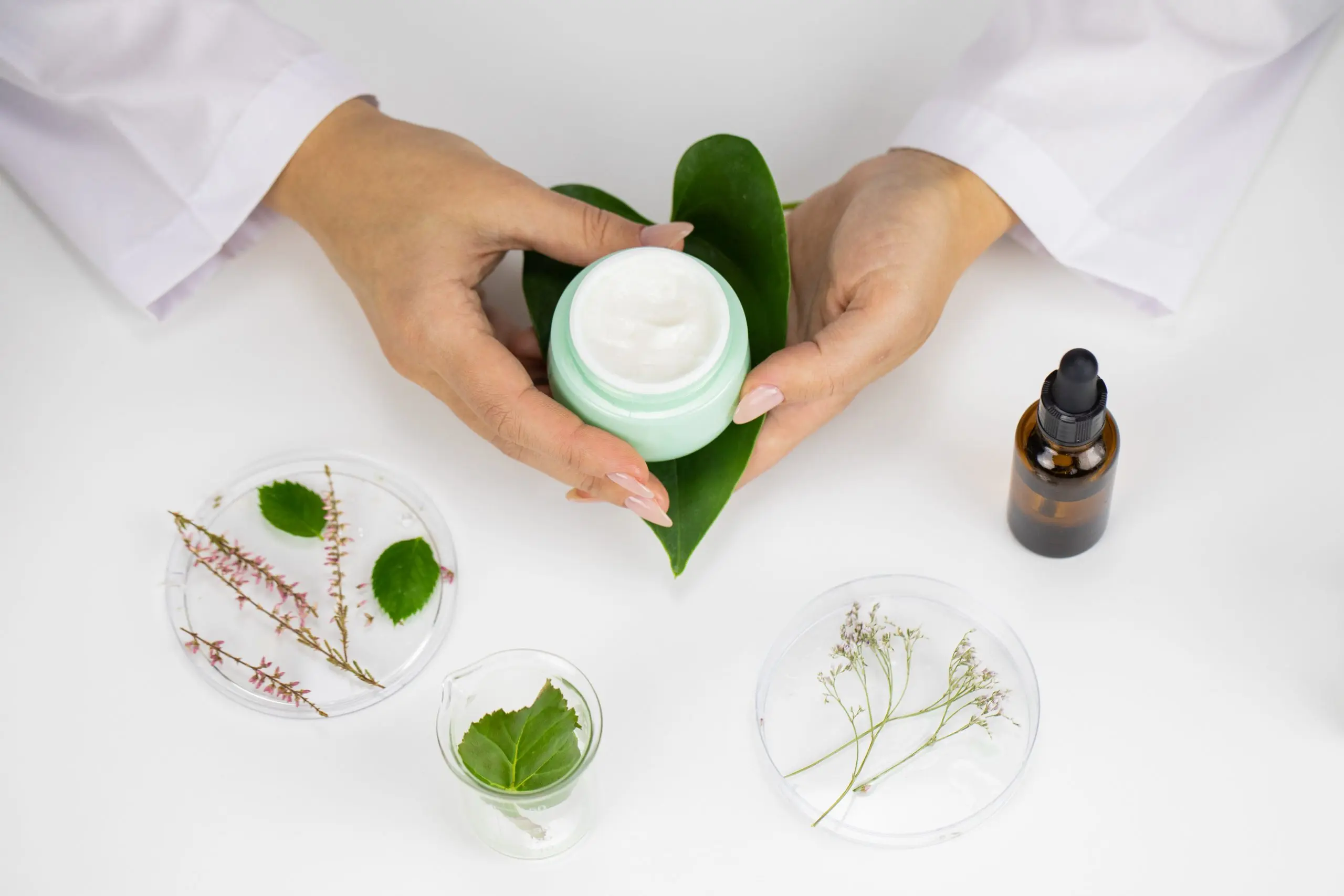
The UK vegan cosmetics market is witnessing remarkable growth as more consumers seek products that are cruelty-free, plant-based, and environmentally sustainable. Valued at approximately USD 649.1 million, the sector is on track for continued expansion as ethical and performance-driven beauty products become mainstream. Beauty shoppers are now looking beyond efficacy; they want brands that reflect their values and commitment to the planet. Millennials and Gen Z, in particular, are leading the charge, prioritizing cruelty-free certifications, clean ingredients, and eco-conscious packaging. Social media, influencer communities, and ethical storytelling are amplifying awareness and shaping purchase decisions. Vegan cosmetics are no longer a niche segment; they are becoming an integral part of everyday beauty routines, combining ethics with lifestyle choices and wellness trends.
Key Drivers Powering Growth in UK Vegan Beauty care
Ethical Consumerism and Plant-Based Innovation
UK consumers are increasingly motivated by ethical values, including animal welfare, environmental responsibility, and ingredient transparency. Vegan and cruelty-free claims have become powerful purchasing drivers, especially for younger demographics. Social media campaigns, influencer endorsements, and third-party certifications reinforce trust and credibility, encouraging trial and repeat purchases. Brands are innovating with plant-based, clean formulations that deliver visible results while maintaining ethical standards. Botanical ingredients like shea butter, coconut, and locally sourced herbs appeal to eco-conscious consumers. Sustainability-focused packaging, refillable containers, and minimal environmental impact initiatives strengthen brand loyalty and attract socially responsible shoppers, creating long-term market traction.
Expansion Through Retail and Digital Channels
Retailers across the UK, from high-street stores to online marketplaces, are dedicating shelf space and promotional campaigns to vegan cosmetics. E-commerce platforms allow consumers to explore, compare, and purchase products conveniently, reaching shoppers in suburban and rural areas. Omnichannel strategies, integrating physical and digital experiences, make it easier for consumers to discover new brands, read reviews, and engage with product content. Subscription services, curated boxes, and virtual consultations enhance accessibility and allow brands to build direct relationships with customers. This integration helps transform vegan cosmetics into a convenient and attractive choice for a broader audience.
Innovation in Sustainability and Ingredients
Vegan brands in the UK are increasingly focusing on sustainable packaging, eco-friendly production processes, and ethically sourced botanicals. These initiatives resonate strongly with environmentally conscious consumers and enhance brand differentiation. Scientific advances allow brands to achieve high product performance without animal-derived ingredients, appealing to consumers who expect efficacy alongside ethics. Innovative offerings like multifunctional skincare and makeup hybrids cater to modern lifestyles, strengthening adoption across mainstream and niche segments.
UK Government Policy and Support for Ethical Beauty adoption in country
The UK has long been a leader in cruelty-free cosmetic regulations, with national bans on animal testing creating a supportive environment for vegan products. This regulatory backdrop helps build consumer confidence and supports brand transparency. Third-party certifications from organizations such as PETA and Leaping Bunny validate vegan claims, enhancing trust and credibility. Industry partnerships, advocacy campaigns, and public education initiatives further raise awareness about ethical beauty practices. Collectively, these measures ensure the sector operates in a structured, credible environment that encourages responsible innovation and consumer engagement.
Competitive Insights of the UK Vegan Cosmetics Market
The UK vegan cosmetics sector is a dynamic mix of established multinationals and agile indie brands. Large players are launching dedicated vegan lines or reformulating existing products, while smaller companies rely on ethical storytelling, sustainability practices, and community engagement to carve out niche markets. Collaborations with botanical cooperatives and local suppliers provide authenticity, strengthen ethical claims, and differentiate products in a competitive landscape. Digital marketing and e-commerce strategies allow even small brands to reach younger, socially conscious consumers nationwide, driving adoption and building loyal communities around their products.
Market Challenges for UK Vegan Cosmetics
Inconsistent Labeling and Standards
A major challenge in the UK is the lack of universally recognized definitions and standards for “vegan” cosmetics. Consumers may encounter inconsistent claims or vague marketing terms, potentially eroding trust in the segment. Brands must invest in credible certifications and transparent communication to demonstrate authenticity. Education campaigns and clear labeling initiatives help consumers understand product benefits, navigate claims, and make informed purchasing decisions. Ensuring consistent standards across the industry remains crucial for sustained growth.
Price Sensitivity and Accessibility
Vegan products, particularly those with premium ingredients or sustainable packaging, often carry higher price points than conventional cosmetics. This may limit adoption among consumers. Brands need to balance affordability with quality while maintaining ethical standards. Offering value-based pricing, promotions, and flexible online purchasing options can help expand reach beyond early adopters and build a broader customer base. Consumer education about the long-term benefits of sustainable and cruelty-free products also helps justify premium pricing.
Future Outlook
The UK vegan cosmetics market is poised for strong growth, in the upcoming years, as ethical, sustainable, and high-performance products gain mainstream acceptance. Innovation in plant-based ingredients, eco-friendly packaging, and clean formulations will continue to drive market differentiation. Hybrid retail models that integrate online and offline experiences will increase accessibility and convenience for consumers. Digital engagement, influencer marketing, and sustainability messaging will continue to shape buying decisions. With a growing focus on wellness, ethics, and environmental impact, vegan cosmetics are set to become a central segment of the UK beauty industry, redefining consumer expectations and shaping industry standards for years to come.
Consultants at Nexdigm, in their latest publication “UK Vegan Cosmetics Market Outlook to 2035” analyze the sector by Product Category (Makeup, Haircare, Fragrance, Body care), by Price Tier (Mass, Masstige, Prestige, Premium, Indie Premium).
Nexdigm suggests that businesses in the UK vegan cosmetics market must focus on innovating sustainable and plant-based formulations, ensuring transparent ingredient sourcing, and strengthening digital and omnichannel engagement. Prioritizing eco-friendly packaging, ethical certifications, and community-driven marketing will build consumer trust, enhance brand loyalty, and drive long-term growth in this values-oriented and competitive sector.
To take the next step, simply visit our Request a Consultation page and share your requirements with us.
Harsh Mittal
+91-8422857704