
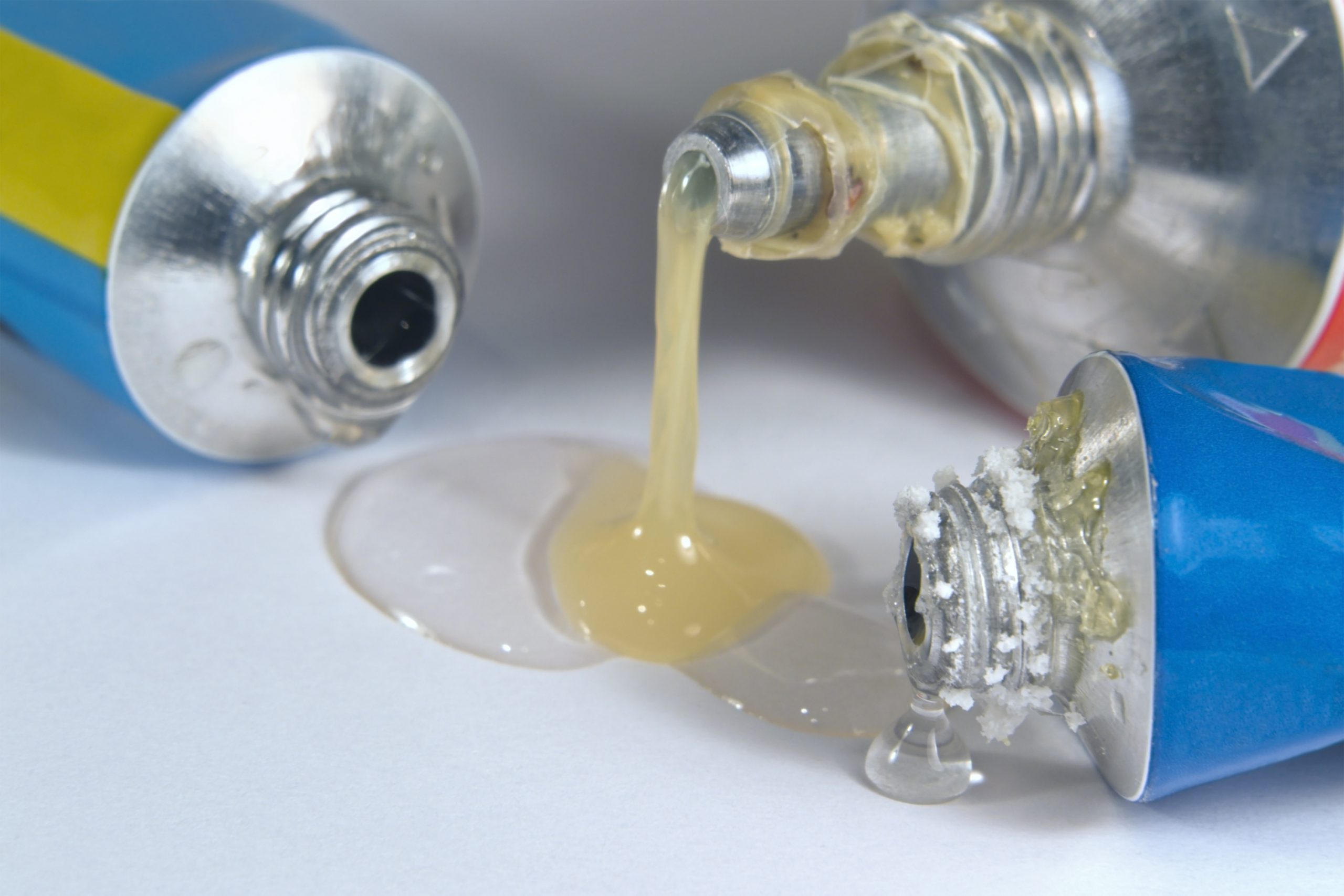
The US adhesives and sealants market is supported by construction, automotive manufacturing, packaging, aerospace, electronics, furniture, and industrial production. These materials are used for structural bonding, glazing, flooring, insulation, flexible packaging, vehicle assembly, electronics, and weather sealing. US construction spending was running at an annualized rate of about US$2.16 trillion in July 2026, while motor vehicle output reached roughly US$753.4 billion in 2025. This large end-use base continues to create demand for durable, lightweight, low-emission, and application-specific bonding solutions.
Demand Drivers Advancing the US Adhesives and Sealants Industry
Construction Activity Supports High-Volume Applications
The US construction sector remains one of the largest demand centers for adhesives and sealants. Total construction spending stood at an annualized US$2.16 trillion in July 2026, covering residential, commercial, manufacturing, infrastructure, and public projects. Adhesives and sealants are widely used in flooring, roofing, windows, façades, insulation, wall systems, structural glazing, waterproofing, and prefabricated construction. Continued renovation activity and investment in manufacturing facilities should support demand for products offering faster curing, stronger adhesion, moisture resistance, and lower VOC emissions.
Automotive Manufacturing Expands Performance Requirements
US motor vehicle output reached approximately US$753.4 billion in 2025, while final sales of domestically produced motor vehicles were valued at roughly US$755 billion. Adhesives and sealants increasingly replace or complement mechanical fasteners in vehicle structures, glazing, interiors, electronics, battery systems, and vibration-control applications. Growth in electric vehicles and lightweight design should further support demand for thermal-management adhesives, battery sealants, structural epoxies, and polyurethane systems.
Electronics and Packaging Broaden Specialty Demand
Semiconductor, flexible packaging, aerospace, and advanced manufacturing applications require highly controlled bonding performance. Federal semiconductor programs have committed more than US$52 billion toward domestic semiconductor manufacturing, R&D, and workforce development, supporting expansion of advanced manufacturing capacity. This creates additional opportunities for specialty adhesives used in electronics assembly, encapsulation, laminating, and component bonding.
Government Policy Investment Supporting Market Expansion
US industrial policy continues to support semiconductor, advanced manufacturing, infrastructure, and domestic supply-chain investment. The CHIPS program includes approximately US$52.7 billion in federal funding for semiconductor manufacturing and related development. In parallel, public procurement and building standards increasingly encourage lower-emission adhesive and sealant products, supporting innovation in water-based, solvent-free, and low-VOC technologies.
Competitive Insights of the US Adhesives and Sealants Industry
The US adhesives and sealants industry includes multinational chemical producers, large domestic manufacturers, specialty formulators, distributors, and application-focused suppliers. Competition centers on bonding strength, curing speed, temperature resistance, durability, VOC performance, regulatory compliance, and technical service. Suppliers increasingly differentiate through specialized products for construction, automotive, electronics, aerospace, packaging, and renewable-energy applications, while local manufacturing and technical support remain important competitive advantages.
Market Challenges Influencing the US Adhesives and Sealants Industry
Raw Material and Cost Volatility
Manufacturers remain exposed to fluctuations in resins, polymers, solvents, isocyanates, silicones, additives, energy, and freight costs. These movements can pressure margins and complicate long-term customer pricing.
Increasing Low-Emission Requirements
Environmental and indoor-air-quality requirements continue to influence product development. EPA guidance encourages the use of lower-VOC adhesives and sealants, while federal purchasing frameworks reference low-emission and sustainability standards for certain construction applications. Manufacturers must therefore balance environmental performance with durability, cure speed, and bonding strength.
Future Outlook
As US construction, automotive, electronics, and advanced manufacturing investment continues, adhesives and sealants should become more important in lightweight assembly, prefabricated construction, battery systems, packaging, and high-performance industrial applications. Motor vehicle output already exceeds US$750 billion annually, while construction spending remains above US$2 trillion on an annualized basis. Looking ahead, demand should increasingly favor low-VOC, fast-curing, thermally stable, and application-specific products. Suppliers combining formulation innovation, domestic supply, technical expertise, and strong customer support should remain well positioned.
Consultants at Nexdigm, in their latest publication “US Adhesives and Sealants Market Outlook to 2035,” analyze the sector By Adhesive Resin Types (Polyurethane Adhesives, Epoxy, Acrylic and Silicone Adhesives), By Adhesives Technology (Water-Borne, Solvent Borne and UV Curved Adhesives).
Nexdigm suggests that businesses in the US Adhesives and Sealants Industry should invest in high-performance formulations, strengthen technical support, expand local manufacturing, and target construction, automotive, packaging, electronics, and renewable-energy applications to capture emerging growth opportunities.
To take the next step, simply visit our Request a Consultation page and share your requirements with us.
Harsh Mittal
+91-8422857704