
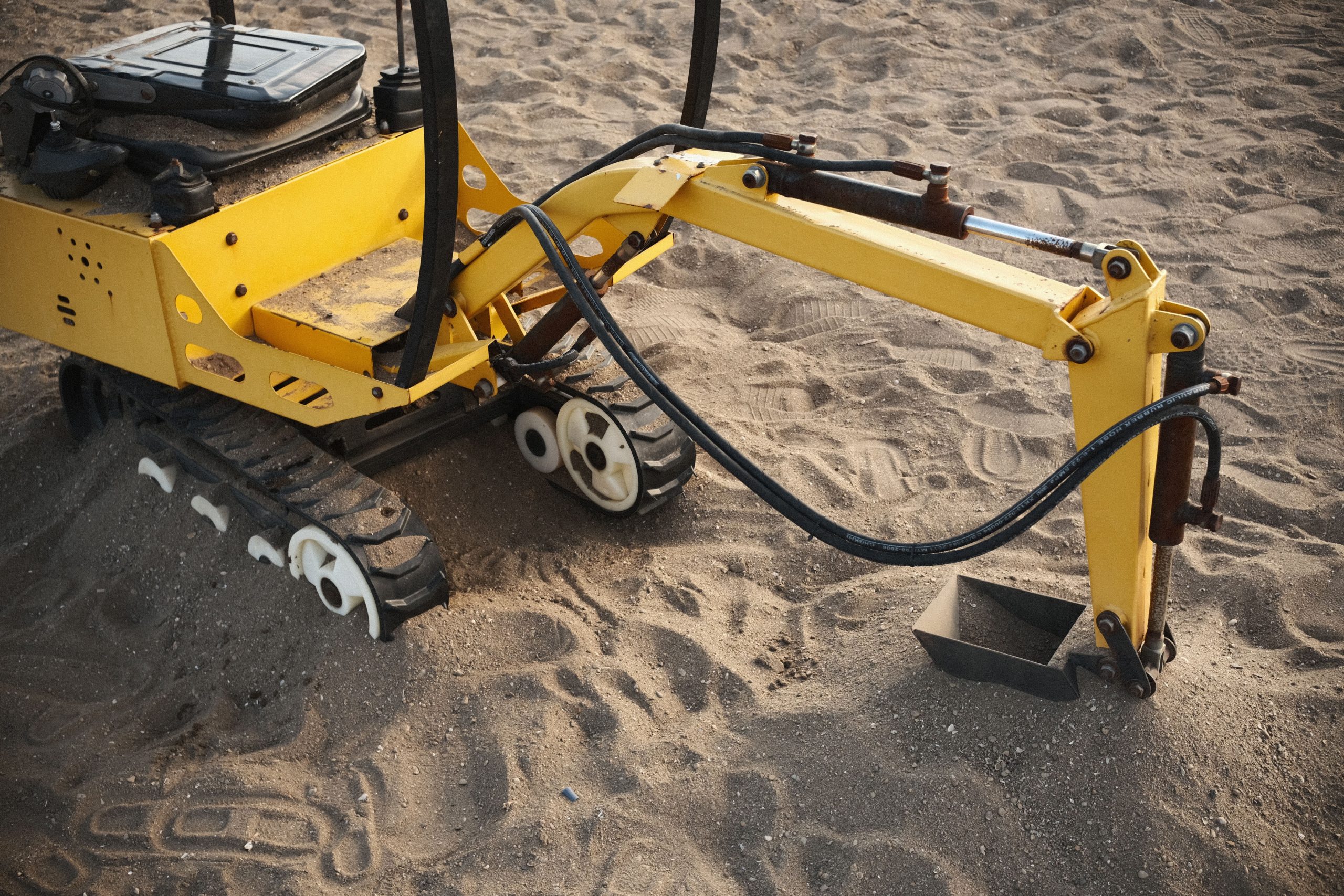
The US compact construction equipment market is experiencing steady growth, supported by rising investments in residential construction, infrastructure modernization, utility projects, and commercial development. Compact equipment such as mini excavators, skid steer loaders, compact track loaders, and compact wheel loaders are increasingly preferred for their versatility, lower operating costs, and ability to operate in confined spaces. Growing construction activity across states such as Texas, Florida, California, Georgia, and North Carolina continues to create strong demand. As construction projects become more complex and labor efficiency gains importance, compact equipment is becoming an essential part of contractors’ fleets.
Market Drivers Advancing the US Compact Construction Equipment Growth
Rising Construction and Infrastructure Spending
One of the primary factors driving the US compact construction equipment market is the continuous growth in construction spending. Total US construction spending exceeded USD 2 trillion annually, reflecting strong activity across residential, commercial, and public infrastructure projects. Public construction spending has also expanded significantly, creating sustained demand for excavation, grading, landscaping, and utility installation equipment. Compact machines are particularly valuable in urban environments where space constraints limit the use of larger equipment.
Growing Residential and Utility Development
Residential construction remains a major demand generator for compact construction equipment. Increasing housing developments, mixed-use projects, and community infrastructure upgrades require machinery that can efficiently operate in restricted job sites. Additionally, expanding utility networks, including water, sewer, telecommunications, and energy infrastructure, have increased the use of mini excavators and compact loaders for trenching and installation activities. The ability to complete tasks with precision while minimizing site disruption makes compact machinery highly attractive.
Demand for Productivity and Versatility
Contractors increasingly seek equipment that delivers higher productivity with lower ownership costs. Modern compact construction equipment offers advanced hydraulics, telematics, fuel-efficient engines, and attachment compatibility that enable multiple applications using a single machine. The growing adoption of compact track loaders and mini excavators reflects the industry’s focus on maximizing efficiency while addressing labor shortages and rising project timelines.
Government Initiatives Supporting US Compact Construction Equipment Industry
Federal and state governments continue to support infrastructure development through large-scale investments in transportation, public utilities, roads, bridges, and community development projects. Increased funding for infrastructure modernization has encouraged contractors to expand equipment fleets. State-level construction investments, particularly in Texas, Florida, and Georgia, have also strengthened demand for compact construction machinery used in public works, utility upgrades, and local development programs.
Competitive Landscape of US Compact Construction Equipment Sector
The US compact construction equipment market is highly competitive, with leading manufacturers focusing on product innovation, fleet electrification, and technology integration. Major participants include Caterpillar, Deere & Company, Bobcat Company, Kubota Corporation, Komatsu, Volvo Construction Equipment, and CNH Industrial. Companies are investing in compact electric models, telematics solutions, and expanded dealer networks to strengthen market presence and address evolving customer requirements across construction and utility applications.
Challenges Impacting US Compact Construction Equipment Industry
Rising Equipment Costs
Increasing raw material prices, supply chain fluctuations, and higher manufacturing costs can affect equipment affordability for small and medium-sized contractors. Elevated financing and ownership expenses may delay fleet expansion decisions.
Skilled Operator Shortages
The construction industry continues to face workforce shortages, creating challenges in equipment utilization and project execution. Limited availability of skilled operators may impact productivity and increase training requirements for contractors adopting advanced compact machinery.
Future Outlook
The future of the US compact construction equipment market remains highly promising, driven by ongoing infrastructure investments, urban development projects, and residential construction demand. Technological advancements, including autonomous features, telematics, and electric-powered compact equipment, are expected to reshape the industry. Growing emphasis on sustainability and operational efficiency will encourage contractors to invest in next-generation machinery. As construction activity continues expanding across key states and infrastructure priorities remain strong, compact construction equipment will play an increasingly important role in supporting project execution and productivity throughout the coming decade.
Consultants at Nexdigm, in their latest publication “US Compact Construction Equipment Market Outlook to 2035,” analyze the sector By (Market Definition and Scope, Malaysia Smart Building Market Classification, Smart Building Technology Mapping, Building Automation System Assessment,).
Nexdigm suggests that businesses in the US Compact Construction Equipment Market focus on expanding product portfolios, improving operational efficiency, and addressing evolving industry requirements. Strengthening distribution networks, investing in innovation, and enhancing customer-centric solutions can help companies capitalize on emerging market opportunities and sustain competitive growth.
To take the next step, simply visit our Request a Consultation page and share your requirements with us.
Harsh Mittal
+91-8422857704