
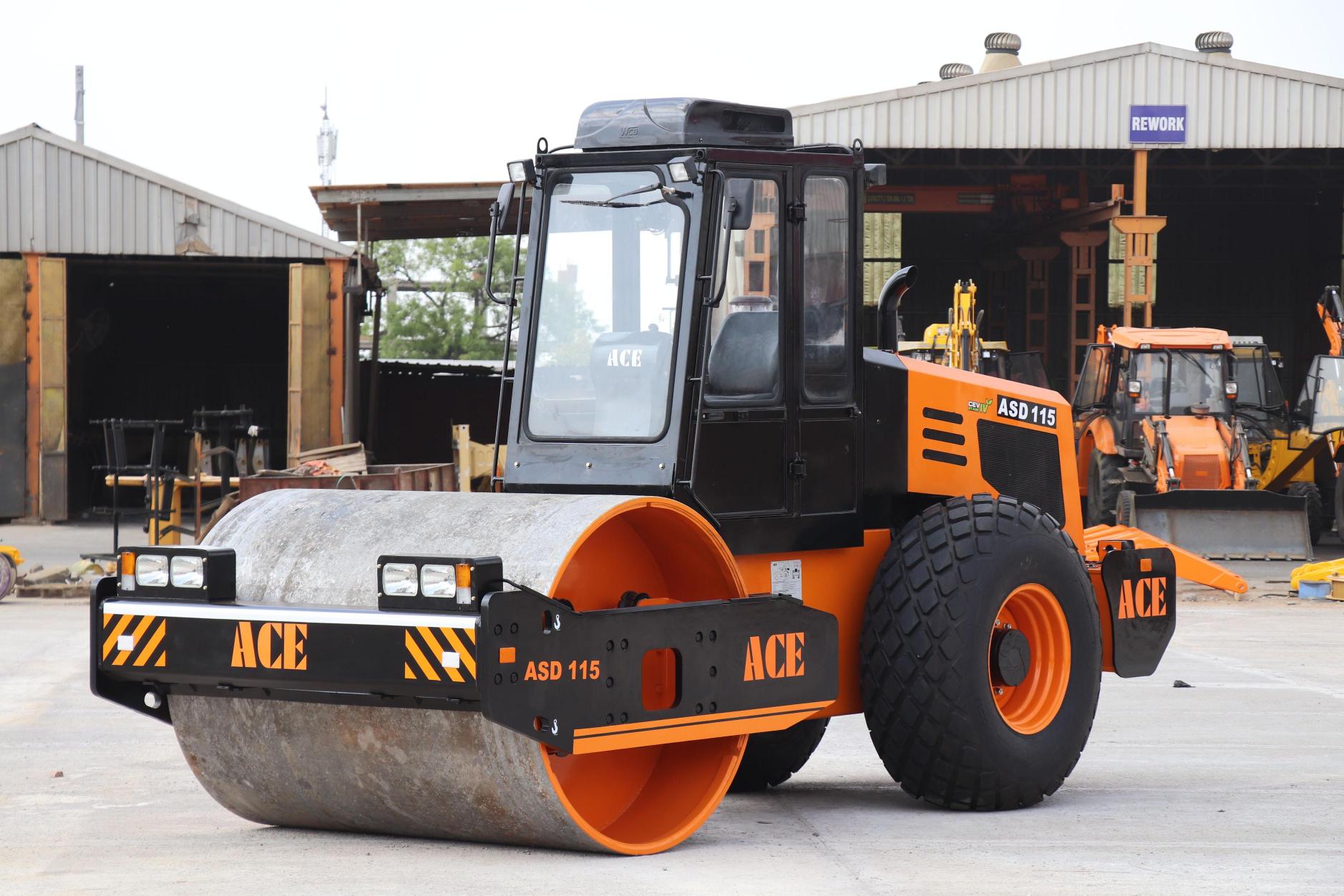
The US Composite Rollers Market is gaining momentum as manufacturers increasingly seek lightweight, corrosion-resistant, and high-performance alternatives to traditional steel rollers. Composite rollers, typically made from carbon fiber and fiberglass-reinforced materials, offer significant advantages including lower inertia, enhanced durability, and improved operational efficiency. These rollers are widely used across printing, packaging, textiles, battery production, and converting industries. Growing industrial automation, demand for high-speed production systems, and investments in advanced manufacturing technologies are strengthening market growth and encouraging wider adoption of composite roller solutions across the United States.
Market Drivers Advancing the US Composite Rollers Growth
Rising Demand for Lightweight and High-Performance Manufacturing Components
One of the primary growth drivers is the increasing need for lightweight equipment that improves production efficiency. Composite rollers can weigh up to 30-40% less than conventional steel rollers, reducing energy consumption and enabling smoother operation at higher speeds. Lower inertia also allows faster acceleration and deceleration, which enhances productivity in continuous manufacturing environments. Industries such as packaging, printing, and textiles are increasingly replacing traditional rollers with composite alternatives to improve throughput while minimizing maintenance requirements. The adoption of automation systems and smart manufacturing technologies further supports demand for advanced roller solutions capable of delivering consistent performance.
Expansion of Packaging and Converting Industries
The growth of e-commerce and consumer goods manufacturing has accelerated demand for packaging materials and converting equipment. Composite rollers play a crucial role in maintaining precision and operational reliability in these high-volume production environments. The United States remains one of the world’s largest packaging markets, creating strong opportunities for roller manufacturers. The increasing use of flexible packaging, sustainable materials, and high-speed conversion processes is encouraging companies to adopt lightweight, durable roller systems that improve machine efficiency and reduce downtime.
Growth in Battery Manufacturing and Advanced Industrial Applications
The rapid expansion of battery manufacturing facilities and renewable energy supply chains is creating additional opportunities for composite roller adoption. Battery production lines require highly precise and corrosion-resistant components to ensure product quality and operational consistency. Furthermore, aerospace, automotive, and advanced material processing industries continue to invest in modern production infrastructure, increasing demand for composite rollers capable of handling demanding operating conditions while maintaining dimensional stability and long service life.
Government Initiatives Supporting US Composite Rollers Industry
Federal and state governments continue to support advanced manufacturing through investments in automation, industrial modernization, clean energy technologies, and domestic production capabilities. Programs encouraging reshoring of manufacturing activities, expansion of electric vehicle supply chains, and productivity-enhancing technologies are indirectly benefiting the composite rollers market. Support for battery manufacturing facilities, smart factories, and advanced materials research is expected to create favorable conditions for continued market growth.
Competitive Landscape of US Composite Rollers Sector
The US Composite Rollers Market features a mix of specialized roller manufacturers, composite material suppliers, and engineering solution providers. Companies compete based on product quality, customization capabilities, material innovation, durability, and service support. Manufacturers are increasingly investing in carbon fiber technologies, advanced composite engineering, and application-specific solutions to differentiate their offerings. Strategic partnerships with OEMs and industrial equipment manufacturers are also helping market participants expand their customer base and technological expertise.
Challenges Impacting US Composite Rollers Industry
High Initial Costs
Composite rollers generally involve higher upfront costs compared to traditional steel rollers. The use of advanced materials such as carbon fiber and specialized production techniques can increase capital expenditure, particularly for small and medium-sized manufacturers.
Limited Awareness in Traditional Industries
Despite their performance benefits, adoption remains slower in certain traditional manufacturing sectors where steel rollers have been used for decades. Convincing end users of long-term operational savings and efficiency improvements remains a challenge for market participants seeking broader penetration.
Future Outlook
The future of the US Composite Rollers Market appears promising as industries continue prioritizing productivity, energy efficiency, and equipment performance. Increasing adoption of advanced manufacturing technologies, expansion of battery production facilities, and growth in packaging and converting applications will support market demand. Composite materials are expected to gain wider acceptance as companies focus on reducing operational costs and improving sustainability. Continued innovation in carbon fiber and fiberglass technologies, combined with greater investment in industrial automation, is likely to strengthen the market’s long-term growth trajectory and expand application opportunities across multiple industries.
Consultants at Nexdigm, in their latest publication “US Composite Rollers Market Outlook to 2035,” analyze the sector By (Market Definition and Scope, US Composite Rollers Market Classification, Composite Roller Technology Mapping, Carbon Fiber Composite Roller Assessment,)
Nexdigm suggests that businesses in the US Composite Rollers Industry focus on developing high-performance, lightweight, and durable roller solutions to meet evolving industrial demands. Strengthening technological capabilities, expanding end-user partnerships, and enhancing product customization can help companies improve market reach and sustain competitive growth.
To take the next step, simply visit our Request a Consultation page and share your requirements with us.
Harsh Mittal
+91-8422857704