
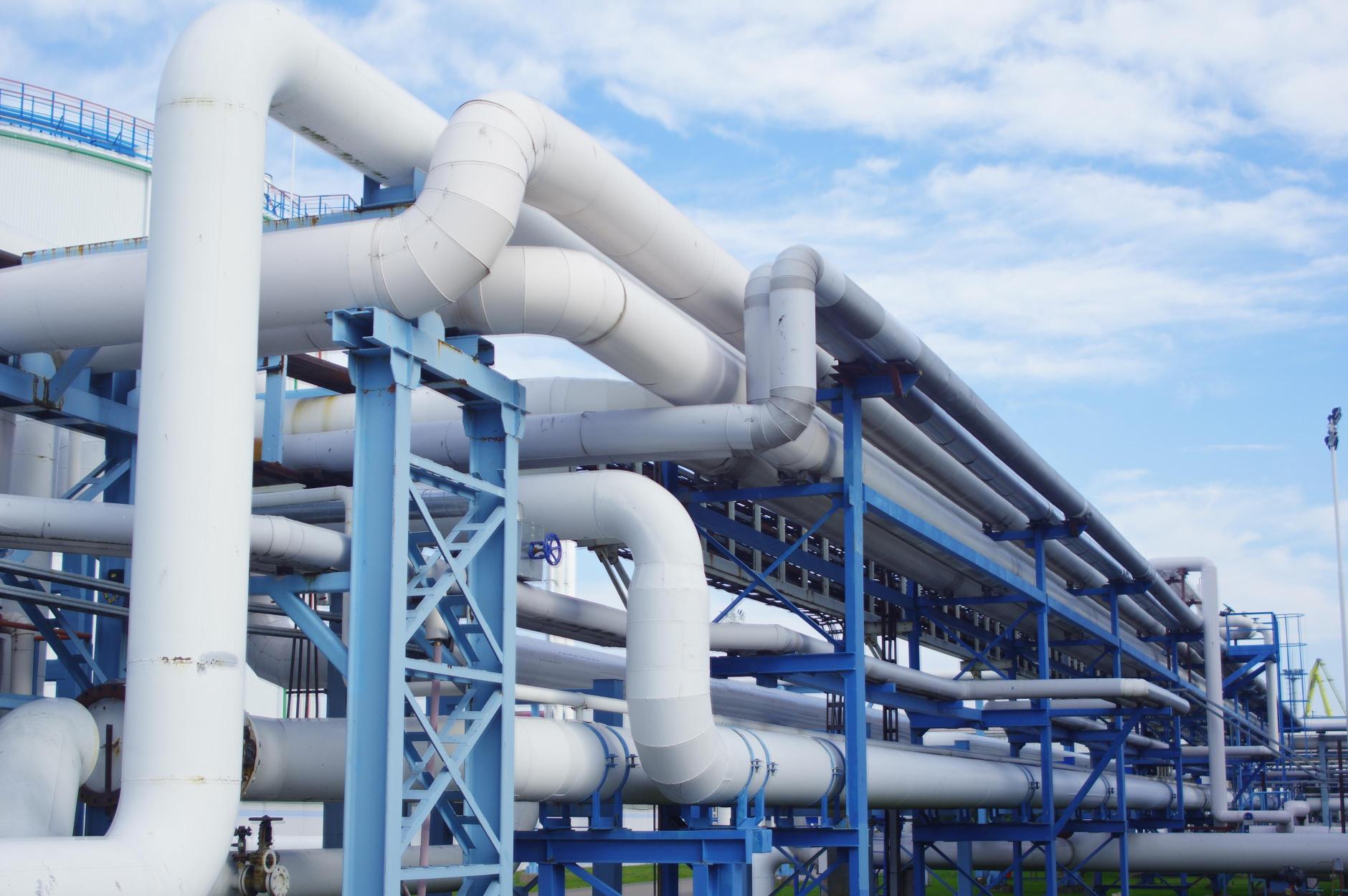
The US flexible pipe market is gaining importance as offshore oil and gas operators invest in deepwater production, subsea tiebacks, and more adaptable field infrastructure. Flexible pipes are widely used in risers, flowlines, and other subsea applications because they can handle movement, pressure, and challenging installation conditions. The US offshore sector provides a strong demand base. In 2025, oil production from the US Outer Continental Shelf reached a record 714 million barrels, while the Gulf region continues to supply around 14% of total US crude oil production.
Key Farepctors Driving Growth in the US Flexible Pipe Industry
Deepwater Production Is Increasing Flexible Pipe Requirements
Deepwater developments remain one of the strongest drivers of flexible pipe demand in the United States. These projects require reliable connections between subsea wells, floating production systems, and processing infrastructure, often across complex seabed conditions. BSEE has previously reported that deepwater production accounted for about 92% of total offshore Gulf oil output, demonstrating how heavily the region depends on deepwater fields. Flexible pipe systems are particularly useful in these environments because their layered construction combines thermoplastic barriers with corrosion-resistant steel reinforcement, allowing them to withstand high pressures while maintaining bending flexibility. Continued deepwater activity should therefore support demand for risers, flowlines, jumpers, and subsea tieback systems.
Subsea Tiebacks Are Supporting More Cost-Efficient Field Development
Operators are increasingly looking to connect new discoveries to existing platforms rather than build entirely new production facilities. This approach can shorten development timelines and improve project economics. Flexible pipes are well suited to subsea tiebacks because their modular construction can be tailored to different pressures, temperatures, fluids, and field layouts. They can also support dynamic applications where conventional rigid pipelines may be less practical. BSEE and BOEM have previously highlighted subsea tiebacks as an important opportunity for increasing production from existing offshore infrastructure.
Offshore Infrastructure Investment Supports Long-Term Demand
The scale of US offshore infrastructure creates a sizeable installed base for replacement, extension, and new subsea connections. Historically, federal offshore waters have included approximately 26,800 miles of pipelines, illustrating the size of the supporting infrastructure network. As assets mature, operators will increasingly require flexible solutions for brownfield modifications, life-extension projects, and connections to satellite discoveries.
Government Initiatives Supporting the US Flexible Pipe Market
Federal offshore leasing policy is creating greater visibility for future oil and gas investment. Current legislation requires at least 30 Gulf offshore lease sales between 2025 and 2040, alongside additional sales in Alaska’s Cook Inlet. The Gulf currently contributes about 14% of US crude oil output, making continued leasing relevant for subsea equipment suppliers. In August 2026, the third Gulf lease sale generated around $82.7 million in high bids covering 59 blocks, signaling ongoing operator interest.
Competitive Landscape of the US Flexible Pipe Industry
The US flexible pipe market is shaped by global subsea engineering companies, specialized pipe manufacturers, installation contractors, and offshore service providers. Competition centers on pressure capability, fatigue resistance, corrosion performance, installation efficiency, qualification standards, and lifecycle reliability. TechnipFMC remains a prominent supplier of flexible pipe systems, offering configurable multilayer designs for different subsea operating conditions. Companies increasingly compete by combining pipe technology with engineering, installation support, subsea integration, monitoring, and field-development services.
Challenges Affecting the US Flexible Pipe Market
High Costs and Complex Engineering Requirements
Flexible pipes are technologically advanced products that require specialized materials, engineering, qualification, and installation. High-pressure and high-temperature offshore environments can increase design complexity and overall project costs.
Offshore Volatility Can Delay Project Spending
Flexible pipe demand remains closely tied to offshore investment cycles. Oil-price volatility, permitting delays, project economics, environmental requirements, and long development timelines can postpone final investment decisions. This can create uneven order patterns for manufacturers and offshore contractors.
Future Outlook
Looking ahead, the US flexible pipe industry is likely to benefit from a simple reality: offshore operators are being asked to produce more efficiently from increasingly complex fields. Record Outer Continental Shelf oil production of 714 million barrels in 2025 demonstrates the continuing importance of offshore resources. At the same time, the federal schedule of repeated Gulf lease sales through 2040 could help maintain a pipeline of future developments. Demand should increasingly come from deepwater tiebacks, brownfield expansions, life-extension projects, and high-pressure subsea systems. Suppliers that offer reliable, lightweight, fatigue-resistant, and installation-friendly flexible pipe solutions should remain well positioned as US offshore developments become more technically demanding.
Consultants at Nexdigm, in their latest publication “US Flexible Pipe Market Outlook to 2035,” analyze the sector By Product Type (Bounded, Unbounded Flexible Pipes, Flexible Jumpers, Risers and Flowlines), By Application (Offshore Oil and Gas Production, Shale Oil and Gas Production, Mining Slurry Transportation and Chemical Transfer Systems).
Nexdigm suggests that businesses in the US Flexible Pipe Industry should prioritize deepwater and subsea tieback opportunities, strengthen advanced material capabilities, invest in fatigue-resistant technologies, build strategic partnerships with offshore operators, and improve lifecycle services to capture growing demand from complex offshore developments.
To take the next step, simply visit our Request a Consultation page and share your requirements with us.
Harsh Mittal
+91-8422857704