
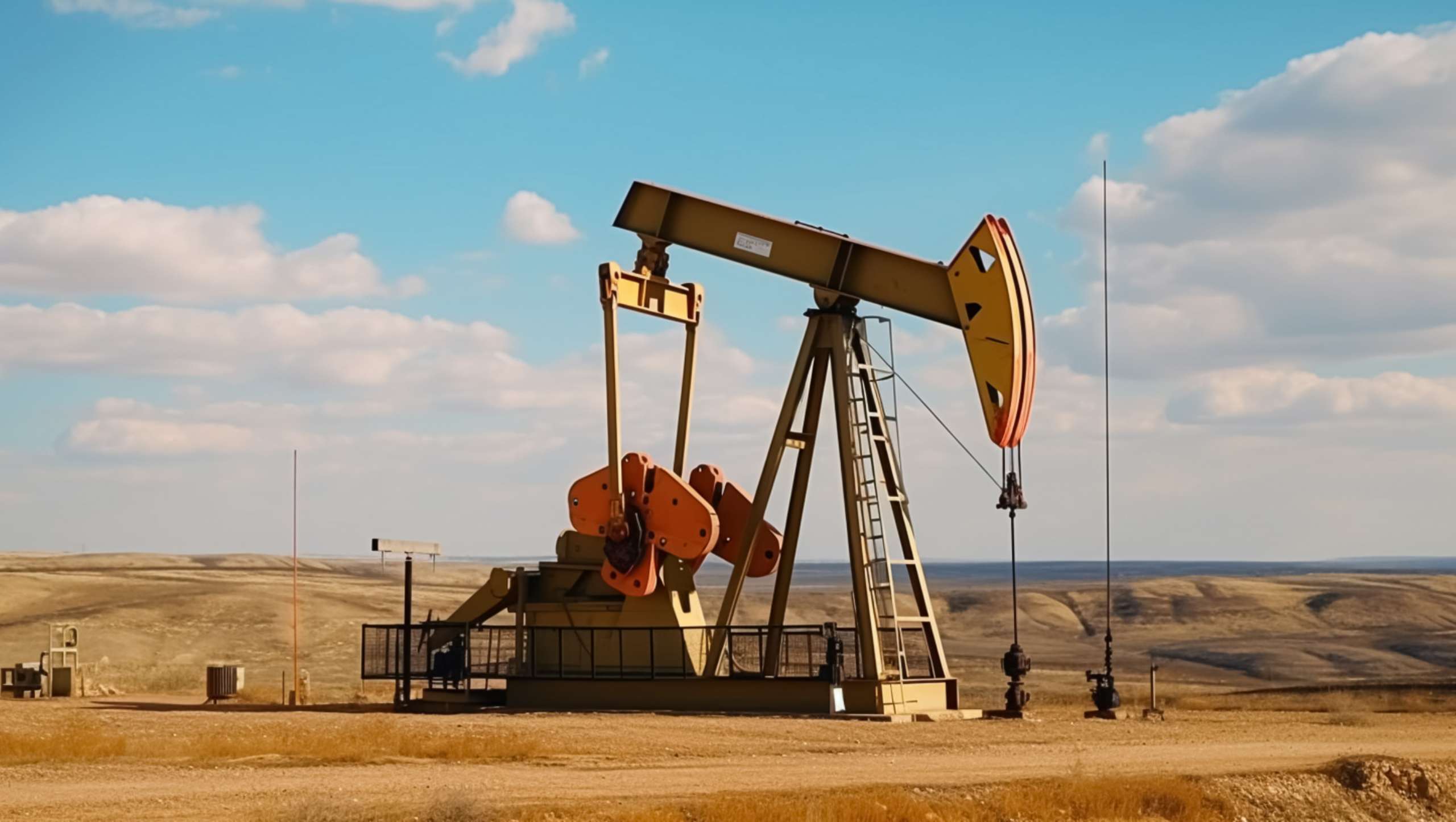
The US fluid loss additives market is witnessing steady growth, supported by the country’s position as the world’s largest crude oil producer. According to the U.S. Energy Information Administration (EIA), US crude oil production exceeded 13.2 million barrels per day in 2025, while marketed natural gas production surpassed 105 billion cubic feet per day. Fluid loss additives remain essential in drilling fluids and cementing systems, helping operators minimize filtrate invasion, improve wellbore stability, and enhance cement integrity. Growing activity across the Permian Basin, Eagle Ford, and Haynesville formations is creating sustained demand for advanced fluid control solutions capable of performing under high-pressure and high-temperature drilling conditions.
Key Market Drivers for the US Fluid Loss Additives Market
Rising Shale Drilling Activity Across Major Basins
The continued expansion of shale oil and gas production remains the strongest driver for the US fluid loss additives market. The United States produced more than 13.2 million barrels of crude oil per day and over 105 billion cubic feet of natural gas per day, maintaining its position as the world’s largest hydrocarbon producer. Major shale regions such as the Permian Basin alone contribute more than 6.5 million barrels of oil per day, requiring extensive drilling and cementing operations. Fluid loss additives are increasingly used to optimize wellbore stability, minimize formation damage, and improve drilling efficiency in complex horizontal wells that often exceed 10,000 feet in lateral length.
Growing Focus on Well Integrity and Cementing Performance
As drilling projects become deeper and more technically challenging, operators are investing heavily in technologies that improve long-term well integrity. Industry reports indicate that well construction and completion activities account for approximately 60-70% of total upstream development costs in unconventional reservoirs. Fluid loss additives play a crucial role in controlling filtrate invasion, improving cement bonding, and reducing the risk of gas migration. With thousands of new wells completed annually in the US, demand for advanced additives capable of performing under high-pressure and high-temperature environments continues to increase, particularly in deep shale and offshore applications.
Expansion of LNG Export Capacity and Energy Infrastructure
Rapid growth in US natural gas infrastructure is creating significant opportunities for fluid loss additive suppliers. The United States has expanded LNG export capacity to more than 14 billion cubic feet per day, making it one of the largest LNG exporters globally. Additionally, billions of dollars are being invested in new pipelines, gas processing facilities, storage terminals, and petrochemical projects. These developments support sustained upstream drilling activity, thereby increasing demand for specialized drilling fluids and cementing additives. As energy companies continue expanding production capacity to meet domestic and international demand, fluid loss additives are becoming increasingly important for ensuring operational efficiency and reducing drilling-related risks.
Government Support and Strategic Energy Development Initiatives Supporting the US Fluid Loss Additives Market
The US government’s continued focus on energy security, industrial competitiveness, and infrastructure modernization is creating favorable conditions for the fluid loss additives market. Through major federal programs such as the Infrastructure Investment and Jobs Act (IIJA) and the Inflation Reduction Act (IRA), more than USD 1 trillion has been allocated toward energy infrastructure, advanced manufacturing, carbon capture, hydrogen development, and industrial projects. Meanwhile, US crude oil production surpassed 13.2 million barrels per day, and natural gas production exceeded 105 billion cubic feet per day, supporting sustained drilling activity. These initiatives are encouraging investments in advanced well construction technologies, thereby increasing demand for high-performance fluid loss additives across shale, geothermal, and carbon storage applications.
Competitive Landscape of the US Fluid Loss Additives Market
The US fluid loss additives market is highly competitive and technology-driven, with competition centered on product performance, high-temperature resistance, environmental compliance, and customization capabilities. Manufacturers are increasingly investing in advanced polymer-based additives to meet the operational requirements of deeper and more complex wells. The US accounts for approximately 40% of global shale production activity, making technical expertise and product reliability critical differentiators. Market participants are also focusing on low-filtration and environmentally responsible formulations as operators seek to improve drilling efficiency, reduce non-productive time, and comply with increasingly stringent environmental and operational standards across major shale basins.
Major Challenges Facing the US Fluid Loss Additives Industry
Volatility in Oil and Gas Investment Cycles
Demand for fluid loss additives remains closely linked to upstream drilling activity and capital expenditure trends within the energy sector. Fluctuations in crude oil and natural gas prices can influence exploration budgets, drilling programs, and well completion schedules, creating uncertainty for suppliers across the value chain.
Environmental Compliance and Technical Performance Requirements
Energy operators increasingly require additives that meet stringent environmental and operational standards while delivering consistent performance under challenging reservoir conditions. Developing high-efficiency products capable of functioning in extreme temperatures, pressures, and chemically aggressive environments requires continuous investment in research, testing, and formulation of innovation.
Future Outlook
The outlook for the US fluid loss additives market remains highly positive, supported by continued growth in shale development, natural gas production, and advanced drilling technologies. The United States is expected to maintain crude oil production above 13 million barrels per day while natural gas output remains above 105 billion cubic feet per day, ensuring sustained demand for drilling and cementing chemicals. Additionally, US LNG export capacity has surpassed 14 billion cubic feet per day, driving further upstream investment. Future market growth will be supported by increasing adoption of high-performance polymer-based additives, environmentally compliant formulations, and specialized solutions for deep wells, geothermal projects, and carbon capture applications. Companies focusing on innovation, operational efficiency, and customized fluid-control technologies are expected to benefit from evolving energy sector requirements through 2035.
Consultants at Nexdigm, in their latest publication “US Fluid Loss Additives Market Outlook to 2035,” analyse the sector By Additive Type (Polyanionic Cellulose, Carboxymethyl Cellulose and Acrylic and Acrylamide), By Application (Drilling Fluid Filtration Control and HPHT Fluid Loss Control) and By Well Type (Conventional Oil Wells, Conventional Gas Wells and Shale Oil Wells.
Nexdigm suggests that businesses in the US Fluid Loss Additives Market focus on developing high-performance formulations, strengthening partnerships with energy operators, and investing in sustainable drilling solutions to capitalize on evolving oil, gas, geothermal, and carbon storage opportunities.
To take the next step, simply visit our Request a Consultation page and share your requirements with us.
Harsh Mittal
+91-8422857704