
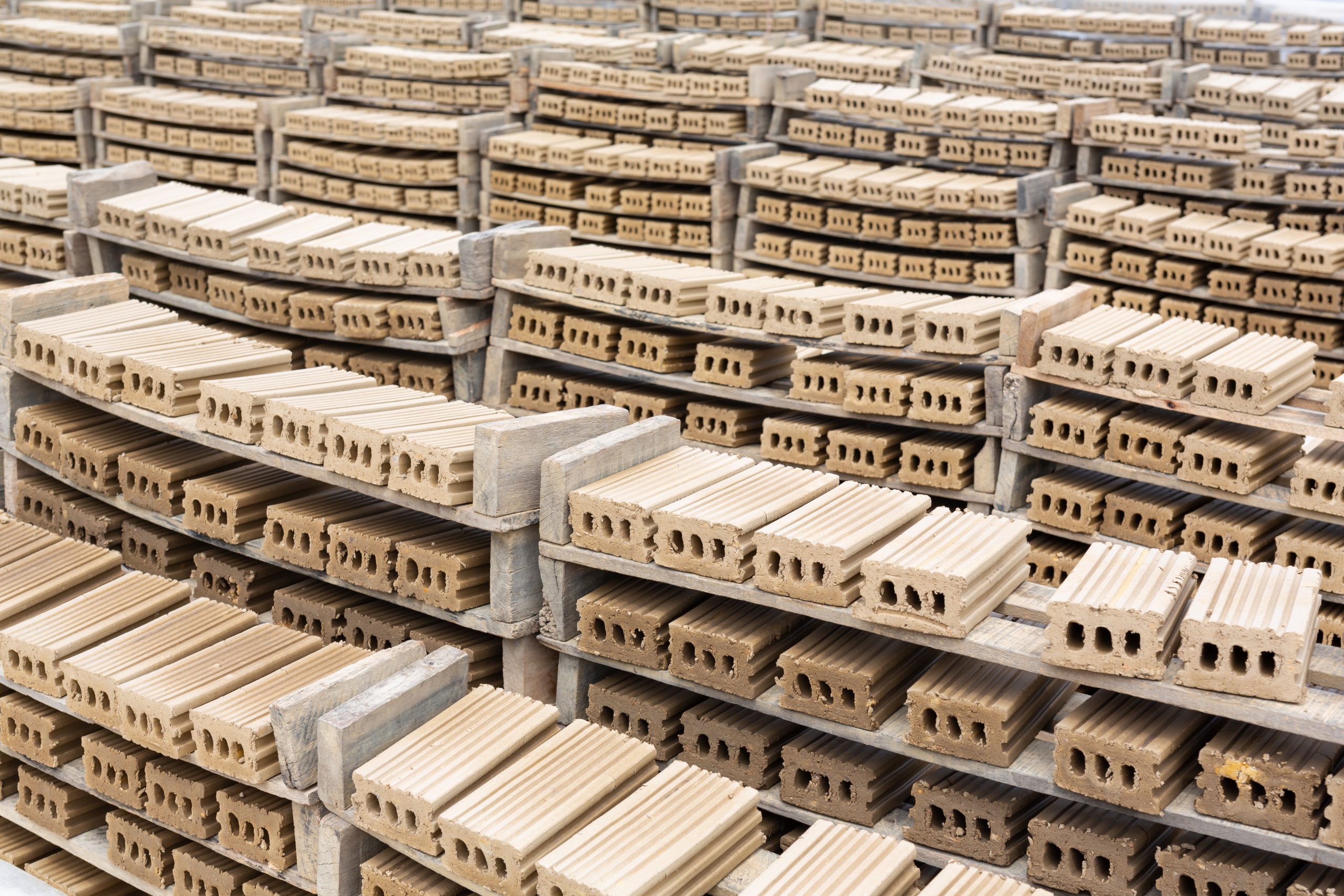
The US insulated concrete form (ICF) market is gaining attention as builders look for construction systems that combine structural strength with better energy performance. ICFs use insulating forms that remain in place after concrete is poured, creating walls with both thermal insulation and concrete strength. The US market was valued at approximately USD 257.7 million in 2025 and is projected to reach USD 418.7 million by 2033, reflecting a 6.3% CAGR. Residential construction remains an important application as homeowners and developers consider energy efficiency, durability, comfort, and resilience when selecting building systems.
Key Growth Drivers for the US Insulated Concrete Form Industries
Energy Efficiency Is Supporting ICF Adoption
Energy performance is one of the clearest reasons builders consider ICF construction. The system combines concrete with continuous insulation, helping reduce unwanted heat transfer through exterior walls. This can contribute to more stable indoor temperatures and potentially lower heating and cooling requirements. The residential segment accounted for 52.3% of the US ICF market in 2025 in one recent industry estimate, reflecting the importance of energy-efficient and resilient housing demand. The wider push toward efficient building envelopes is also reflected in US energy codes, which specify insulation and thermal-performance requirements across different climate zones.
Durable Construction Is Increasing Interest in ICF Systems
ICFs offer more than insulation. Once filled with reinforced concrete, the forms create substantial wall assemblies that can provide strength, sound reduction, and resistance to severe weather. These characteristics are particularly relevant in areas exposed to hurricanes, tornadoes, wildfires, or other extreme conditions. For developers, the appeal is often about long-term building performance rather than one individual feature. A wall system that combines structural capability and insulation can reduce the need to coordinate several separate construction layers. This can make ICFs attractive for selected residential, commercial, and institutional projects.
Residential Development Continues to Provide a Major Application Base
Housing remains central to the US ICF opportunity. The global residential ICF segment generated USD 651.9 million in revenue in 2025 and is projected to grow at a 6.5% CAGR through 2033. North America was the largest regional market for residential ICFs in that year. As builders respond to consumer interest in lower energy consumption, quieter interiors, and stronger homes, ICF systems can become part of the material choices considered for new construction and selected renovation projects.
Government Policies Supporting the US ICF Industry
US building requirements increasingly emphasize energy performance, insulation, and efficient building envelopes. The 2024 International Energy Conservation Code (IECC) includes requirements covering insulation and other components that affect building energy performance, with provisions tailored to different climate zones. Federal and state-level efficiency programs can also encourage improvements in building performance. While ICFs are not mandated by these requirements, their thermal and structural characteristics can make them relevant to projects seeking to meet applicable efficiency standards.
Competitive Landscape in the US Insulated Concrete Form Industry
The US ICF market includes manufacturers, distributors, building-system specialists, and regional contractors. Companies compete through form design, insulation performance, installation systems, technical support, availability, and contractor training. Recent market research identifies companies such as Fox Blocks, BuildBlock Building Systems, ICF Tech, Polystyrene Concrete Forms, and Reward Wall Systems among participants in the broader ICF landscape. Familiarity among builders and availability of trained installers can also influence which systems are selected for individual projects.
Challenges Facing the US Insulated Concrete Form Market
Higher Upfront Costs Can Influence Project Decisions
ICF construction can involve higher initial material and installation costs than some conventional building approaches. Contractors may also need specialized training and experience. These factors can make builders cautious when project budgets are tight, even when ICFs offer potential long-term benefits through energy performance and durability.
Contractor Familiarity Remains Important
ICF installation differs from conventional framing, particularly in areas such as form placement, reinforcement, concrete pouring, and coordination with electrical and plumbing work. Limited familiarity can slow adoption or increase perceived project risk. Expanding contractor education and demonstrating installation efficiency can therefore help make ICF systems easier for more builders to consider.
Future Outlook
As we look ahead, the US ICF market has room to expand as energy efficiency, resilience, and long-term building performance become more important considerations in construction. One recent forecast estimates the market will grow from USD 257.7 million in 2025 to USD 418.7 million by 2033, at a 6.3% CAGR. Going forward, adoption will depend not only on the performance of ICF systems but also on how easily builders can source them, install them, and understand their benefits. Greater contractor familiarity, improved product designs, and demand for efficient and durable homes could gradually bring ICF construction into more mainstream building projects.
Consultants at Nexdigm, in their latest publication “US Insulated Concrete Form Market Outlook to 2035,” analyze the sector By ICF System Type (Flat Wall, Grid Wall, Screen Grid, Post and Beam System, Block Type and Verticle ICF Systems), By Building Applications (Basements and Foundations, Above Grade Exterior Walls and Multi Story Building Walls)
Nexdigm suggests that businesses in the US Insulated Concrete Form Industry should focus on expanding contractor training, developing cost-effective systems, strengthening distribution networks, and highlighting energy efficiency and structural resilience to support wider adoption across residential and commercial construction.
To take the next step, simply visit our Request a Consultation page and share your requirements with us.
Harsh Mittal
+91-8422857704