
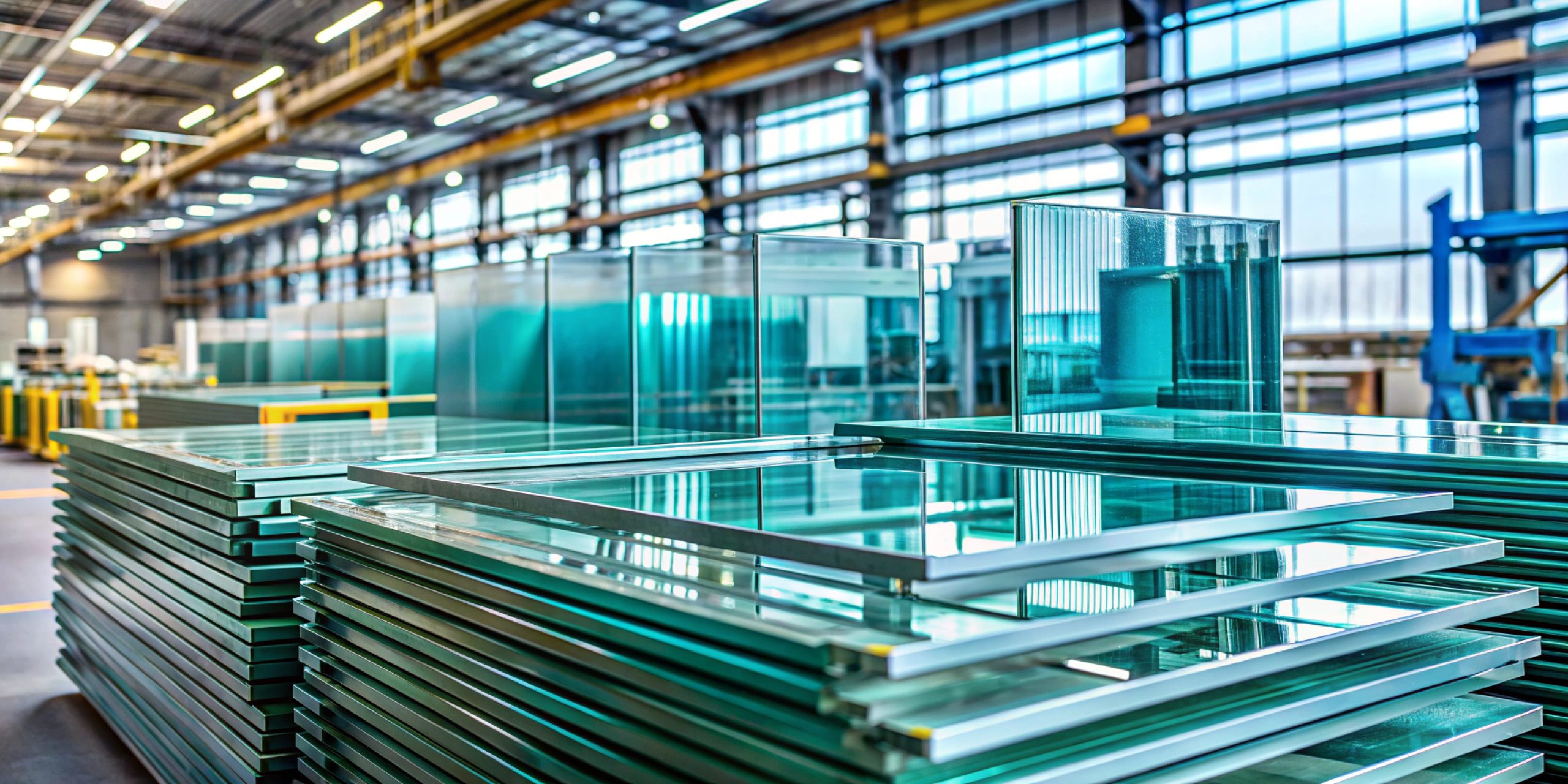
The US laminated glass market is gaining momentum as industries increasingly focus on safety, durability, and energy efficiency. Laminated glass, commonly made by combining glass layers with protective interlayers such as PVB, is widely used in buildings, vehicles, and infrastructure projects. Its ability to improve safety, reduce noise, and provide better protection against impact has made it a preferred choice across multiple sectors. With rising construction activity, advancements in automotive design, and growing interest in sustainable materials, the market is expected to see consistent growth through 2035.
Key Market Drivers for the US Laminated Glass Industry
Increasing Use of Laminated Glass in US Construction and Building Projects
The construction industry is one of the biggest contributors to laminated glass demand in the United States. As architects and developers move toward safer and more energy-efficient buildings, laminated glass is becoming a common feature in commercial complexes, residential projects, airports, and modern infrastructure. Its ability to hold together after breakage, improve sound insulation, and provide UV protection makes it suitable for windows, façades, skylights, and other architectural applications. The growing focus on green buildings and sustainable construction is also encouraging the use of advanced glazing solutions. Energy-efficient glass systems help reduce heating and cooling requirements, supporting lower operational costs for buildings. According to the US Green Building Council, thousands of projects across the country are certified under sustainability programs such as LEED, creating continued demand for high-performance materials.
Rising Demand for Laminated Glass in the US Automotive Industry
The automotive sector is another major growth area for laminated glass in the US. Windshields have traditionally been the primary application, but manufacturers are increasingly using laminated glass for panoramic roofs, side windows, and advanced vehicle designs. The rise of electric vehicles and premium automobiles is creating new opportunities for lightweight, noise-reducing, and safety-focused glass solutions. With vehicle safety becoming a major priority, automakers are adopting advanced glazing technologies that support passenger protection and improved driving experiences. The growing integration of advanced driver-assistance systems (ADAS) is also increasing the need for high-quality automotive glass with better optical performance.
Growing Focus on Sustainable and Advanced Glass Solutions in the US
Sustainability and innovation are shaping the future of the US laminated glass industry. Manufacturers are developing smart laminated glass, solar-control glass, and customized interlayer technologies to improve energy performance and design flexibility. These solutions are helping industries meet changing environmental requirements while offering better comfort and functionality to end users.
Government Support for Laminated Glass Adoption in the US
Government policies supporting infrastructure development, energy-efficient buildings, and transportation safety are creating a favorable environment for laminated glass adoption in the United States. Building regulations increasingly emphasize safety glazing in specific applications, while sustainability programs encourage the use of energy-saving construction materials. Investments in infrastructure modernization and clean transportation are also expected to support long-term market opportunities.
Competitive Landscape of the US Laminated Glass Industry
The US laminated glass market includes established global and domestic manufacturers competing through innovation, product quality, and customized solutions. Companies are investing in advanced manufacturing technologies, sustainable production methods, and specialized glass products for automotive and architectural applications. Strategic partnerships, capacity expansions, and research into lightweight and high-performance glass solutions are expected to remain key competitive strategies.
Challenges Facing the US Laminated Glass Market
Rising Manufacturing Costs in the US Glass Industry
One of the key challenges for the laminated glass industry is the high cost associated with production. Advanced processing equipment, energy consumption, and fluctuations in raw material prices can increase manufacturing expenses. These factors may influence product pricing and impact profitability for manufacturers.
Recycling and Sustainability Challenges in US Laminated Glass Production
While laminated glass offers significant safety advantages, recycling remains a challenge because separating the glass layers from polymer interlayers requires specialized processes. The industry is focusing on improving recycling technologies and developing more sustainable materials to reduce environmental impact and support circular economy goals.
Future Outlook
The future of the US laminated glass market looks closely connected to the changing needs of the construction and automotive industries. As buildings become more energy-efficient and vehicles become more advanced, demand for stronger, smarter, and more sustainable glass solutions is expected to increase. Manufacturers are likely to focus on technologies such as smart glazing, improved insulation, and lightweight designs to meet evolving customer expectations. By 2035, laminated glass is expected to play an even greater role in creating safer buildings, more efficient vehicles, and modern infrastructure across the United States.
Consultants at Nexdigm, in their latest publication “US Laminated Glass Market Outlook to 2035,” analyze the sector By Product Type (PVP, SGA, Resin, Acoustic, EVA, Coloured, Low E Laminated Glass), By Interlayer Type (Polyvinyl Butyral, Ethylene Vinyl Acetate, SentryGlas Plus and Specialty Acoustic Interlayers), By Applications (Marine Glazing, Skylines and Canopies)
Nexdigm suggests that businesses in the US Laminated Glass Industry must focus on strengthening product innovation, improving manufacturing efficiency, and adapting to evolving customer requirements. Companies should invest in sustainable production methods and customized solutions for construction and automotive applications.
To take the next step, simply visit our Request a Consultation page and share your requirements with us.
Harsh Mittal
+91-8422857704