
The US micro irrigation systems market is witnessing steady growth, driven by increasing water scarcity concerns, sustainable agriculture practices, and rising adoption of precision irrigation technologies. According to Market Research Future, the market was valued at approximately USD 100 million in 2024 and is projected to reach USD 175 million by 2035, registering a compound annual growth rate (CAGR) of 5.2% during 2025–2035. Growing demand for water-efficient farming solutions, government conservation initiatives, and advancements in automated irrigation systems are strengthening market opportunities. Manufacturers are increasingly focusing on smart controllers, precision water delivery, and cost-effective irrigation technologies.
Key Market Drivers of US Micro Irrigation Systems Market
Increasing Water Scarcity and Demand for Efficient Irrigation
Growing concerns regarding water scarcity, groundwater depletion, and changing climatic conditions are significantly influencing micro irrigation adoption across the United States. Farmers increasingly prefer drip irrigation and micro-sprinkler systems to optimize water utilization, minimize evaporation losses, and improve crop productivity.
Expanding Precision Agriculture and Technological Advancements
The adoption of precision agriculture, automated irrigation controllers, soil moisture sensors, and digital monitoring systems is accelerating demand for micro irrigation solutions. Farmers are increasingly integrating irrigation technologies with real-time monitoring platforms to improve water management and reduce operational costs.
Rising Adoption Across Specialty Crops and Commercial Agriculture
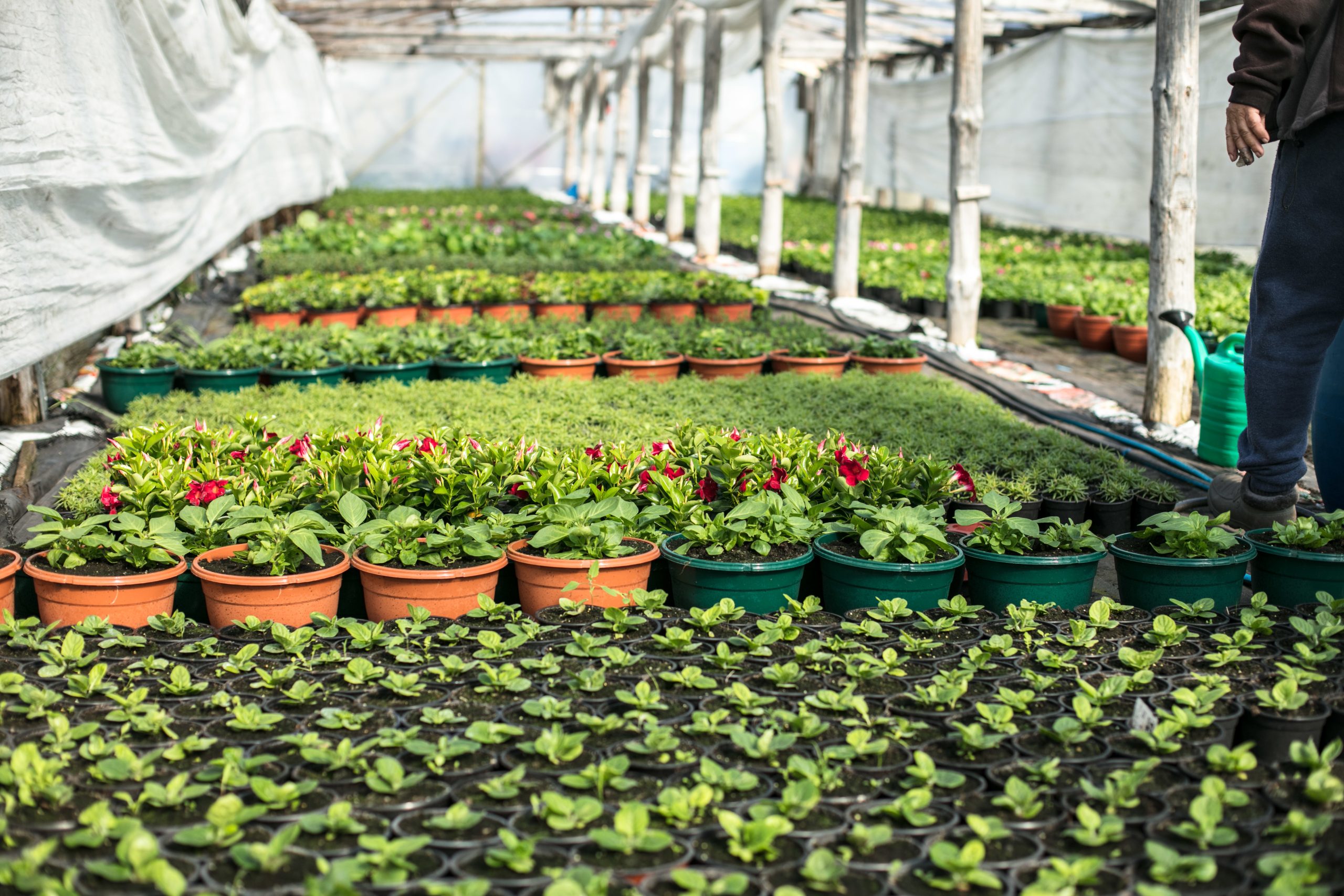
Fruit orchards, vineyards, vegetable farms, nurseries, and greenhouse operations represent important demand centers for micro irrigation systems. These applications require accurate water delivery to maintain crop quality, improve nutrient absorption, and support consistent agricultural productivity.
Government Support towards US Micro Irrigation Systems Market
The US Department of Agriculture, through its Natural Resources Conservation Service (NRCS), supports water-efficient agricultural practices under the Environmental Quality Incentives Program (EQIP). The program provides eligible agricultural producers with financial and technical assistance for conservation improvements, including irrigation water management.
Competitive Landscape of US Micro Irrigation Systems Market
The US micro irrigation systems market features established domestic manufacturers and international companies competing through technological innovation, water-use efficiency, distribution networks, and product reliability. Leading participants include Netafim, Rain Bird Corporation, Hunter Industries, The Toro Company, Jain Irrigation Systems, Valmont Industries, and Irritec.
Market Challenges of US Micro Irrigation Systems Market
High Initial Investment and Installation Costs
Micro irrigation systems require considerable upfront investment in drip lines, emitters, filtration equipment, pumps, sensors, and automated controllers. Installation expenses and technical requirements can discourage adoption among small and medium-sized farmers, particularly those operating with limited financial resources.
Maintenance Requirements and Water Quality Concerns
Emitter clogging, mineral deposits, inadequate filtration, and equipment deterioration create operational challenges. Regular maintenance and technical expertise are essential for optimal performance. Fluctuating raw material prices and irrigation equipment costs further increase financial pressure on manufacturers and agricultural producers.
Future Outlook
The US micro irrigation systems market is expected to maintain steady expansion through 2035, supported by increasing water conservation priorities, precision agriculture adoption, and technological innovation. According to Market Research Future, the market is projected to reach USD 175 million by 2035, compared with USD 100 million in 2024. The drip irrigation segment within this market definition is projected to reach approximately USD 105 million by 2035. Future opportunities will focus on automated irrigation, smart sensors, precision fertigation, and sustainable water management solutions. Companies prioritizing technological innovation, cost efficiency, and reliable distribution are positioned to strengthen their competitive advantages.
Consultants at Nexdigm, in their latest publication “US Micro Irrigation Systems Market Outlook to 2035,” analyze the sector By Application Type (Agricultural Crops, Raw Crops, Fruits and Orchards, Vegetable and Horticulture Crops, Municipal Green Spaces), By Farm Size (Large Commercial Farm, Medium Sized-Farm, Small-Farms, Greenhouse Operators, Specialty Corps Farm)
Nexdigm suggests that businesses in the US micro irrigation systems market should prioritize smart irrigation technologies, water-efficient solutions, product innovation, and strategic partnerships to capitalize on increasing water conservation requirements, precision agriculture adoption, and expanding opportunities across agricultural and commercial applications.
To take the next step, simply visit our Request a Consultation page and share your requirements with us.
Harsh Mittal
+91-8422857704