
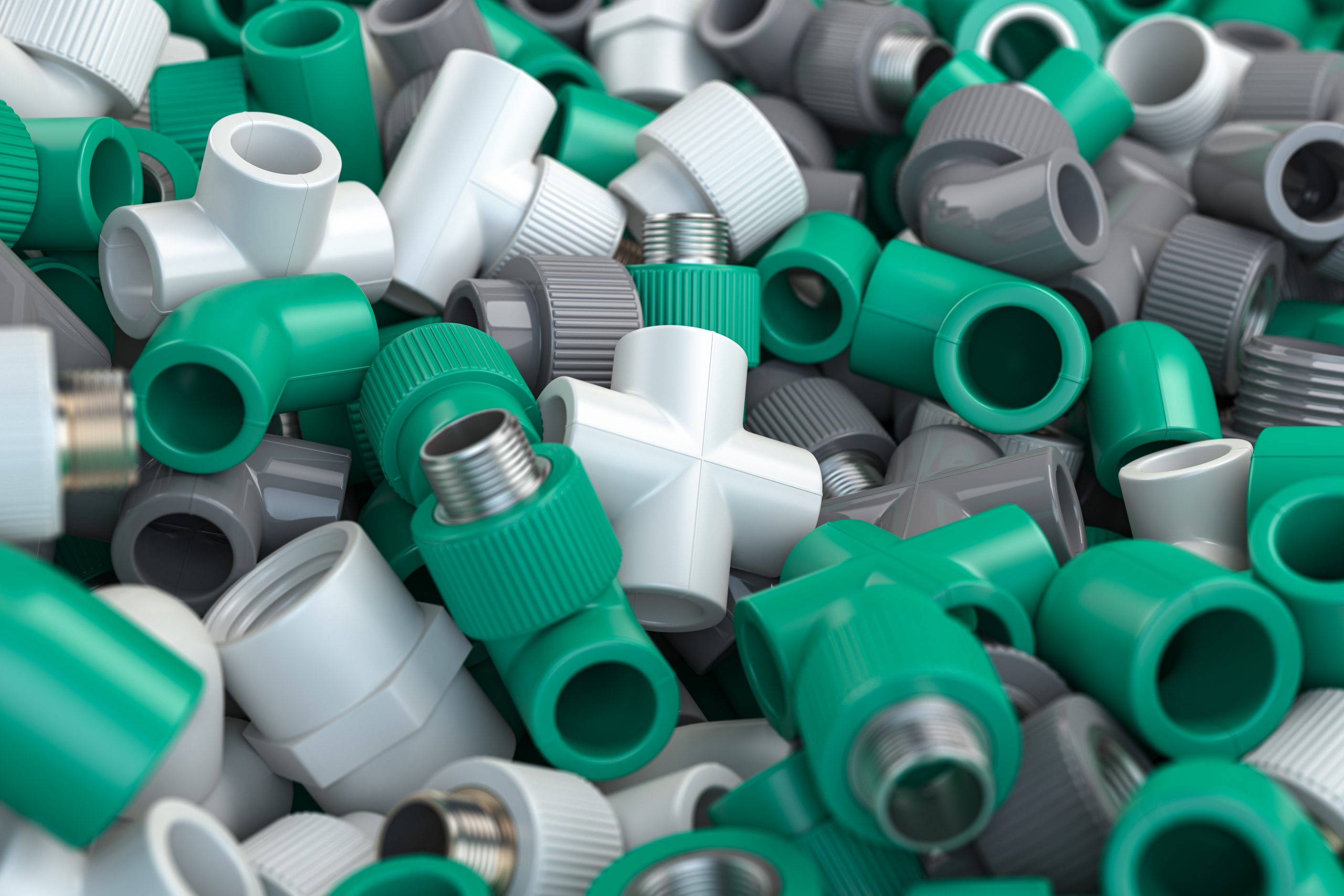
The US plastic pipes and fittings market is benefiting from rising investment in water systems, housing, utility replacement, and commercial construction. PVC, HDPE, PEX, and other plastic piping materials are increasingly used because they offer corrosion resistance, lighter weight, easier installation, and long service life. The US Environmental Protection Agency estimates that drinking water systems require around US$625 billion of infrastructure investment over 20 years, covering pipe replacement, treatment facilities, storage, and other assets. This large infrastructure requirement creates a significant opportunity for manufacturers and suppliers of plastic piping systems.
Key Factors Driving Growth in the US Plastic Pipes and Fittings Industry
Aging Water Infrastructure Creates Strong Replacement Demand
One of the biggest growth drivers is the need to replace aging drinking-water and wastewater infrastructure. The EPA estimates total drinking-water infrastructure requirements at US$625 billion over 20 years, representing a 32% increase compared with its previous national assessment. Plastic pipes are well suited to replacement projects because they resist corrosion, are relatively lightweight, and can reduce installation complexity compared with certain traditional materials. HDPE and PVC systems are widely used across water distribution, drainage, sewer, irrigation, and utility applications. The EPA has also estimated around 9.2 million lead service lines across the United States, creating further long-term replacement requirements for safer piping systems.
Construction Activity Supports Plumbing and Drainage Demand
Residential and commercial construction remains another major demand source for plastic pipes and fittings. PEX, PVC, CPVC, and related materials are extensively used in plumbing, drainage, heating, and water-distribution systems. US construction spending reached a seasonally adjusted annual rate of about US$2.16 trillion in July 2026, demonstrating the scale of ongoing building and infrastructure activity. Housing construction also creates recurring demand. Privately owned housing starts stood at an annualized 1.275 million units in August 2026, supporting continued consumption of plumbing pipes, fittings, drainage systems, and utility connections.
Material Advantages Encourage Wider Plastic Pipe Adoption
Plastic piping continues to gain acceptance because of its low weight, flexibility, corrosion resistance, and ease of handling. These characteristics can help lower transportation and installation expenses while reducing maintenance requirements. As municipalities and contractors focus increasingly on lifecycle costs, leak reduction, and faster project completion, plastic pipes are becoming more attractive across water, sewer, residential, industrial, and agricultural applications.
Government Initiatives Supporting the US Plastic Pipes and Fittings Market
Federal infrastructure programs have provided substantial funding for drinking-water and wastewater modernization. The Infrastructure Investment and Jobs Act allocated more than US$50 billion for water and wastewater infrastructure improvements between fiscal years 2022 and 2026. Funding for lead-service-line replacement, treatment upgrades, and distribution-system rehabilitation indirectly supports demand for plastic pipes and fittings. EPA financing through the Drinking Water State Revolving Fund also helps states and communities undertake long-term water-infrastructure projects.
Competitive Insights of the US Plastic Pipes and Fittings Industry
The US plastic pipes and fittings industry includes large integrated manufacturers, regional processors, specialty fitting companies, distributors, and building-products suppliers. Competition focuses on material quality, durability, code compliance, pricing, product range, and distribution coverage. Manufacturers are increasingly differentiating themselves through recycled-content initiatives, advanced joining systems, higher-pressure products, and application-specific solutions for potable water, sewer, industrial, and residential markets. Strong contractor and distributor relationships remain particularly important in this fragmented market.
Challenges Affecting the US Plastic Pipes and Fittings Market
Raw Material Prices Can Affect Margins
PVC, polyethylene, polypropylene, and other plastic resins are sensitive to feedstock prices, energy costs, and petrochemical supply conditions. Price volatility can raise manufacturing costs and pressure margins, particularly when producers cannot immediately pass increases to customers.
Environmental Concerns Are Increasing
Plastic products face growing scrutiny regarding recycling, sustainability, and lifecycle environmental impacts. Manufacturers must respond with improved recyclability, efficient production processes, and better environmental performance while maintaining strength, safety, and regulatory compliance.
Future Outlook
As we look ahead, the US plastic pipes and fittings market should remain closely connected to a straightforward national requirement, replacing aging infrastructure while supporting continued housing and utility development. The EPA’s estimated US$625 billion drinking-water infrastructure requirement provides a substantial long-term demand base, while ongoing construction activity supports plumbing and drainage applications. As municipalities prioritize corrosion resistance, faster installation, and lower lifecycle maintenance, PVC, HDPE, PEX, and other plastic piping systems should continue gaining opportunities. Suppliers that combine durable products with strong distribution, technical support, and sustainability improvements should be better positioned for future growth.
Consultants at Nexdigm, in their latest publication “US Plastic Pipes and Fittings Market Outlook to 2035,” analyze the sector By Material Type (PVC, CPVC, HDPE, MDPE and PVCO Pipes and Fittings), By Product Type (Pressure, Non-Pressure, Corrugated, DXV Pipes), By Application Type (Municipal Water Distribution System, Residential Plumbing Systems and Electric Conduit Systems).
Nexdigm suggests that businesses in the US Plastic Pipes and Fittings Industry should prioritize water infrastructure opportunities, expand sustainable product portfolios, strengthen distribution networks, invest in material innovation, and develop cost-efficient solutions for residential, commercial, and utility applications.
To take the next step, simply visit our Request a Consultation page and share your requirements with us.
Harsh Mittal
+91-8422857704