
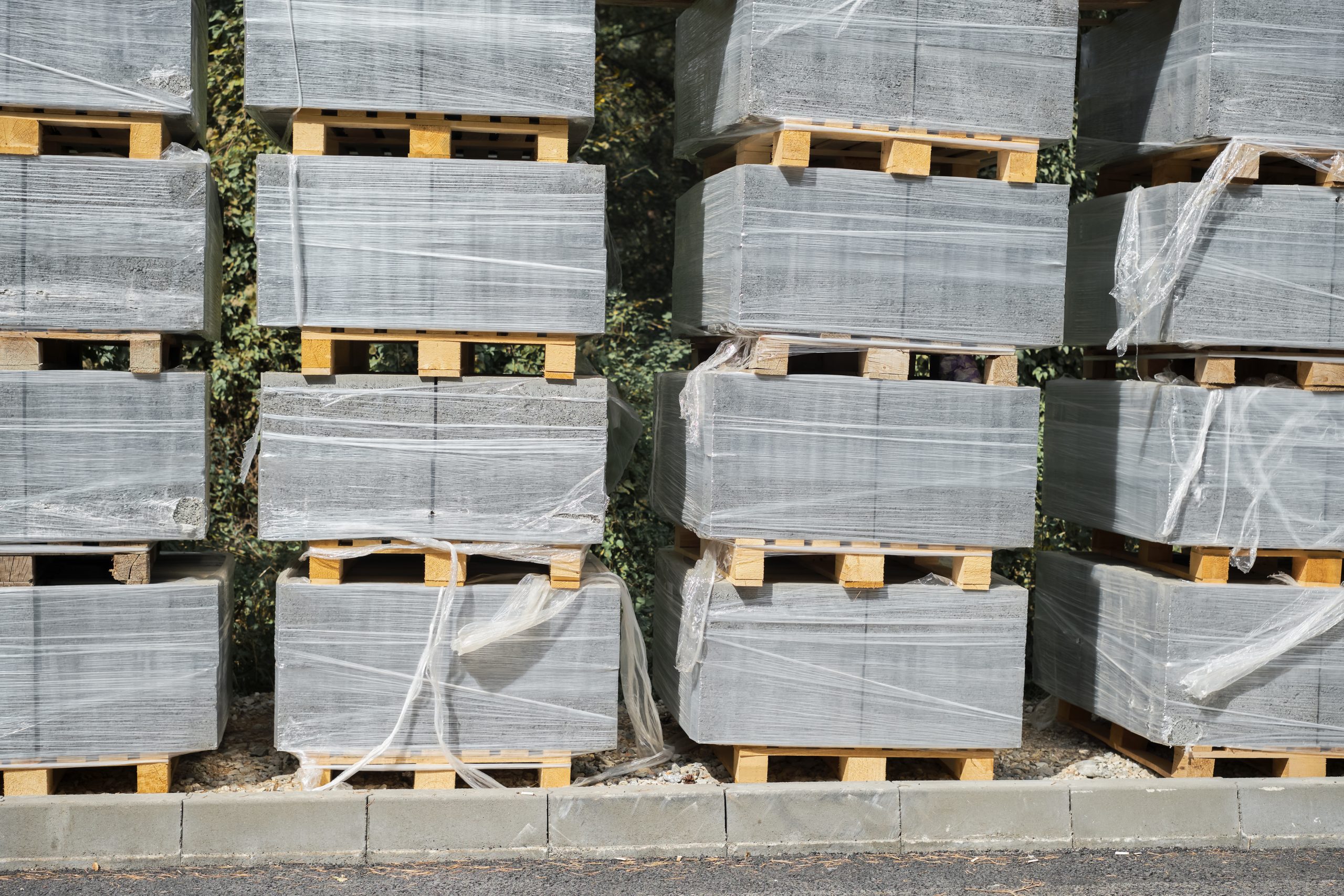
The US precast concrete market is experiencing steady expansion, supported by increasing infrastructure investment, growing adoption of prefabricated construction, and rising demand for durable building materials. Precast concrete components are widely used in bridges, highways, commercial buildings, residential developments, and industrial facilities due to their structural strength, faster installation, and consistent quality. The market was valued at approximately USD 25.85 billion in 2024 and is projected to reach USD 47.19 billion by 2035, registering a CAGR of 5.6%. Infrastructure modernization, industrial expansion, and construction efficiency requirements are creating favorable opportunities for advanced precast concrete solutions.
Growth Drivers Shaping US Precast Concrete Industry
Infrastructure Modernization Accelerates Precast Concrete Demand
Increasing investments in highway development, bridge rehabilitation, transportation networks, and public infrastructure are strengthening demand for precast concrete products. The United States has more than 623,000 bridges, with approximately 6.8% classified as being in poor condition, highlighting substantial infrastructure rehabilitation requirements. Precast bridge beams, structural panels, drainage systems, retaining walls, and utility components offer faster installation and improved construction efficiency. Their ability to reduce traffic disruptions, minimize on-site activities, and deliver consistent structural performance makes them increasingly attractive for transportation and public infrastructure projects.
Prefabricated Construction Supports Faster Project Completion
The growing adoption of modular and off-site construction is encouraging greater utilization of precast concrete components across commercial, residential, and industrial developments. Factory-controlled manufacturing allows structural elements to be produced simultaneously with site preparation, helping reduce construction timelines and labor requirements. Rising construction costs, skilled labor shortages, and demand for predictable project delivery are motivating contractors to adopt prefabricated building solutions. Precast walls, columns, beams, and floor systems provide dimensional accuracy, consistent quality, and efficient installation, supporting construction productivity across multiple applications.
Sustainable Construction Creates New Growth Opportunities
Increasing emphasis on resource efficiency, durable infrastructure, and sustainable building practices is creating opportunities for precast concrete manufacturers. Controlled production environments can minimize material wastage and improve manufacturing consistency. Advancements in low-carbon cement, recycled aggregates, and optimized concrete formulations are further supporting the development of environmentally responsible precast products. Growing demand for resilient buildings and long-lasting infrastructure is expected to strengthen adoption across construction segments.
Government Supporting US Precast Concrete Industry Development
Federal infrastructure programs are encouraging investments in bridge rehabilitation, transportation improvements, and public construction projects. The Infrastructure Investment and Jobs Act provided approximately USD 27.5 billion for the Bridge Formula Program and USD 12.5 billion for the Bridge Investment Program over five years. Additionally, approximately USD 5.4 billion in bridge funding opportunities was announced in June 2025. These investments support demand for precast structural components, drainage systems, and transportation infrastructure solutions while encouraging faster and more efficient construction practices.
Competitive Dynamics Across US Precast Concrete Industry
The US precast concrete market includes established manufacturers, regional producers, specialized component suppliers, and construction material distributors. Competition centers on product durability, manufacturing capacity, structural performance, customization capabilities, pricing, and delivery reliability. Manufacturers are increasingly investing in automated production systems, advanced concrete formulations, and improved quality-control processes to strengthen their market positioning. Companies offering diversified product portfolios, dependable regional distribution, technical expertise, and project-specific engineering solutions can gain competitive advantages across infrastructure, commercial, residential, and industrial construction applications.
Challenges Influencing US Precast Concrete Industry
Rising Raw Material and Transportation Costs
Fluctuations in cement, steel reinforcement, aggregates, energy, and transportation costs can affect manufacturing expenses and profitability. Since precast concrete components are heavy and require specialized handling, transportation distances and logistical limitations can significantly influence overall project costs.
High Capital Requirements and Workforce Constraints
Establishing precast manufacturing facilities requires considerable investment in production equipment, molds, handling systems, and quality-control infrastructure. Skilled labor shortages, complex installation requirements, and project-specific design specifications can also create operational challenges, particularly for smaller manufacturers seeking to expand production capacity.
Future Outlook
The US precast concrete market is expected to maintain positive growth, supported by infrastructure modernization, expanding industrial construction, and increasing preference for prefabricated building systems. Demand for durable structural components, modular solutions, and efficient construction technologies will continue creating opportunities for manufacturers. Advancements in production automation, digital design, building information modeling, and sustainable concrete formulations are likely to improve product performance and manufacturing productivity. As developers prioritize construction speed, structural resilience, and lifecycle efficiency, suppliers offering customized products, reliable distribution networks, and innovative manufacturing capabilities should remain well positioned for long-term growth.
Consultants at Nexdigm, in their latest publication “US Precast Concrete Market Outlook to 2035,” analyze the sector By Product Type (Structwural Building Components, Architectural Precast Panels, Precast Wall Panels, Prestressed Beams and Girders, Columns and Beams), By Application (Commercial Buildings, Institutional Buildings, Parking Structures, Residential Buildings, Industrial and Warehouse Buildings)
Nexdigm suggests that businesses in the US Precast Concrete Market Outlook to 2035 should prioritize advanced manufacturing technologies, sustainable concrete solutions, regional production expansion, strategic infrastructure partnerships, and supply chain optimization to enhance operational efficiency, strengthen competitiveness, and capitalize on emerging market opportunities.
To take the next step, simply visit our Request a Consultation page and share your requirements with us.
Harsh Mittal
+91-8422857704