
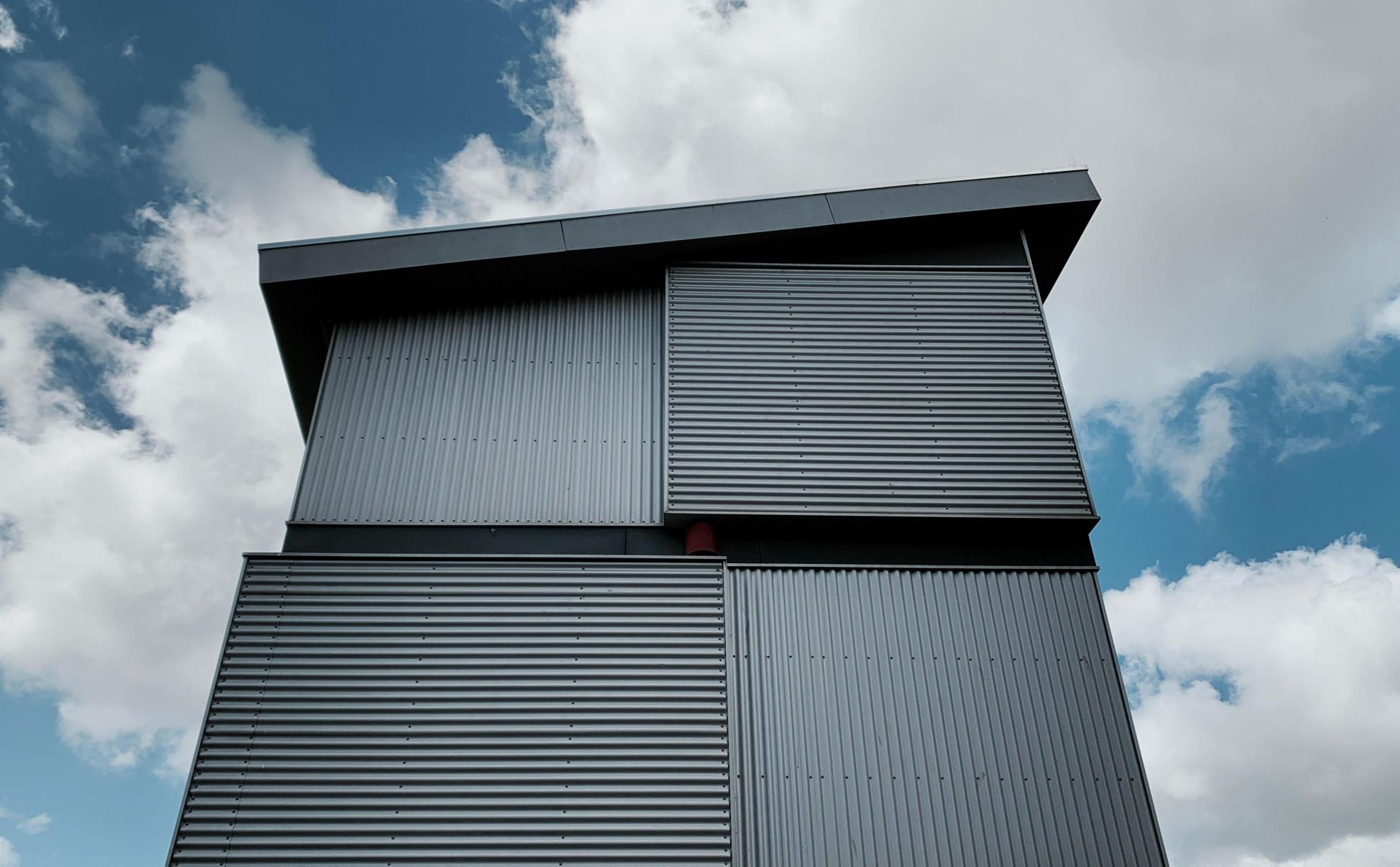
The US rainscreen cladding market is experiencing steady growth, supported by increasing construction activity, rising demand for energy-efficient building envelopes, and greater emphasis on durable exterior façade systems. Rainscreen cladding solutions help protect buildings from moisture infiltration while improving thermal performance and aesthetics. Growth in residential, commercial, and institutional construction projects across major metropolitan areas has strengthened demand for advanced façade materials. Rising construction spending, large-scale urban development, and stricter building performance requirements continue to encourage the adoption of engineered rainscreen systems throughout the United States.
Market Drivers Advancing the US Rainscreen Cladding Growth
Rising Construction Spending and Infrastructure Development
One of the primary drivers of the US rainscreen cladding market is the growth in construction investment. Total construction spending increased from approximately USD 2.096 trillion to USD 2.192 trillion, reflecting continued expansion across residential and commercial sectors. Major urban centers including New York, Houston, Dallas-Fort Worth, Miami, and Phoenix are witnessing ongoing development of high-rise buildings and mixed-use projects, creating substantial demand for durable exterior cladding solutions.
Growing Demand for Energy-Efficient Buildings
Building owners and developers are increasingly focused on improving energy efficiency and reducing operational costs. Rainscreen cladding systems enhance ventilation, support continuous insulation, and improve thermal performance, helping buildings comply with modern energy codes. As sustainability becomes a key priority across the construction industry, demand for high-performance façade systems continues to increase.
Expansion of Residential Construction Activity
Residential construction remains an important growth catalyst for the market. Privately owned housing authorizations exceeded 1.47 million units, while permitted residential construction activity reached approximately USD 384.62 billion. Rising housing developments and multi-family construction projects generate significant opportunities for rainscreen panels, insulation systems, and subframing components. Growing urban populations further support long-term demand for weather-resistant building envelope solutions.
Government Initiatives Supporting US Rainscreen Cladding Industry
Government agencies continue to promote energy-efficient construction through updated building standards, sustainability programs, and incentives for green buildings. Federal and state-level initiatives encouraging reduced energy consumption and improved building resilience have increased demand for advanced exterior wall systems. Additionally, investments in public infrastructure, educational facilities, healthcare buildings, and transit-oriented developments create opportunities for rainscreen cladding manufacturers and contractors across the country.
Competitive Landscape of US Rainscreen Cladding Sector
The US rainscreen cladding market is characterized by the presence of global and regional façade solution providers. Companies compete through product innovation, material durability, fire safety compliance, aesthetic design options, and sustainable building solutions. Manufacturers are increasingly investing in advanced composite panels, metal cladding systems, fiber cement products, and integrated façade technologies. Strategic partnerships with architects, contractors, and developers remain important for strengthening market position.
Challenges Impacting US Rainscreen Cladding Industry
Volatility in Material Costs
Fluctuations in the prices of aluminum, steel, insulation materials, and specialty construction components can affect project costs and profit margins. Manufacturers often face challenges in managing supply chain disruptions and raw material price variations.
Installation Complexity and Skilled Labor Shortages
Rainscreen systems require specialized design expertise and precise installation practices. Shortages of skilled construction labor in several regions may lead to increased project timelines and higher installation costs, potentially limiting market expansion.
Future Outlook
The future of the US rainscreen cladding market remains positive, supported by sustained construction investment, urbanization, and demand for high-performance building envelopes. Growing adoption of green building practices, increasing focus on energy efficiency, and expansion of commercial and residential developments are expected to drive market growth. Technological advancements in lightweight materials, fire-resistant systems, and prefabricated façade solutions will further enhance market opportunities. As developers prioritize sustainability, durability, and modern architectural aesthetics, demand for rainscreen cladding systems is expected to strengthen across the United States.
Consultants at Nexdigm, in their latest publication “US Rainscreen Cladding Market Outlook to 2035 ,” analyze the sector By (Market Definitions and Assumptions, US Rainscreen Cladding Market Classification, Building-Envelope Scope, Drained and Back-Ventilated Rainscreen Assessment, Pressure-Equalized Rainscreen Assessment, Open-Joint Rainscreen Assessment, Closed-Joint Rainscreen Assessment,).
Nexdigm suggests that businesses in the US Rainscreen Cladding Industry focus on addressing the growing demand for moisture-managed, energy-efficient façade systems driven by rising construction spending, expanding residential development, and increasing adoption of high-performance building envelope solutions across major metropolitan areas.
To take the next step, simply visit our Request a Consultation page and share your requirements with us.
Harsh Mittal
+91-8422857704