
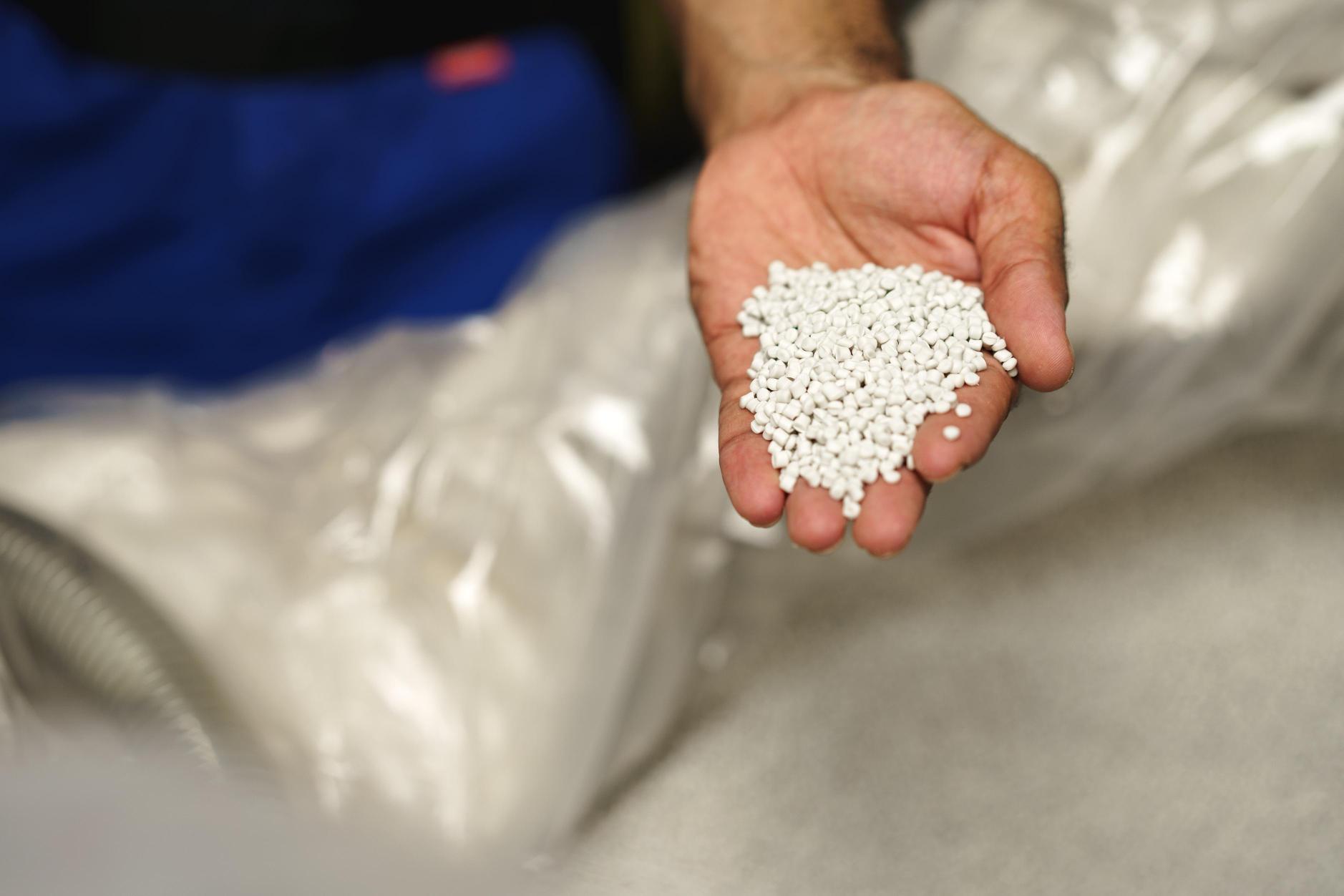
The US superabsorbent polymers market is supported primarily by baby diapers, adult incontinence products, feminine hygiene products, medical absorbents, and selected agricultural applications. SAP materials can absorb many times their own weight in liquid, making them important for improving dryness, comfort, leakage protection, and product efficiency. The United States recorded approximately 3.61 million births in 2025, maintaining a large recurring demand base for infant hygiene products. At the same time, population aging is strengthening demand for adult-care absorbent products and higher-performance polymer technologies.
Growth Drivers Shaping the US Superabsorbent Polymers Industry
Baby Hygiene Maintains High-Volume Consumption
Disposable baby diapers remain one of the largest applications for superabsorbent polymers. The US recorded 3,606,400 births in 2025, despite a 1% decline from the previous year. Each new birth generates recurring consumption of diapers and other absorbent hygiene products during the first several years of childhood. Manufacturers continue to seek SAP grades that provide higher absorption capacity, thinner product designs, improved fluid distribution, and better leakage control. Product innovation aimed at reducing diaper weight while maintaining performance should continue supporting demand for advanced polymer formulations.
Aging Population Expands Adult Incontinence Demand
The growing elderly population is another important demand driver. People aged 65 and over accounted for approximately 18.9% of the US population, while Census estimates placed the national population at nearly 342 million. As the senior population expands, demand for adult briefs, pads, medical absorbents, and continence-care products is likely to increase. These applications require high absorbency, odor control, comfort, and skin-friendly performance, creating opportunities for specialized SAP grades.
Medical and Agricultural Applications Broaden Opportunities
Beyond hygiene products, superabsorbent polymers are used in wound-care materials, absorbent medical pads, spill-control products, and selected agricultural applications. In agriculture, water-retaining polymers can help manage moisture around plant roots, particularly in water-stressed environments. Although these uses remain smaller than hygiene applications, they diversify the market and create opportunities for application-specific formulations.
Government Initiatives Influencing US Superabsorbent Polymer Development
US environmental policies increasingly emphasize waste reduction, resource efficiency, and improved materials management. Disposable diapers generated an estimated 4.1 million tons of municipal solid waste in the EPA’s latest product-specific dataset, with about 3.3 million tons landfilled. This waste challenge is encouraging manufacturers and material developers to explore lower-material designs, renewable feedstocks, improved absorbency efficiency, and technologies that could reduce the environmental footprint of disposable hygiene products.
Competitive Landscape Across the US Superabsorbent Polymers Industry
The US market includes global polymer manufacturers, specialty chemical companies, hygiene-material suppliers, and integrated consumer-product producers. Competition centers on absorption capacity, gel strength, fluid retention, consistency, particle size, safety, and cost efficiency. Suppliers increasingly differentiate through thinner-product performance, lower residual monomers, renewable-content development, and customized grades for baby care, adult incontinence, feminine hygiene, medical, and agricultural applications.
Challenges Influencing the US Superabsorbent Polymers Industry
Feedstock and Production Cost Volatility
SAP production depends heavily on acrylic acid and other petrochemical-derived inputs. Changes in crude-oil markets, energy prices, transportation expenses, and chemical feedstock availability can therefore affect manufacturing costs and supplier margins.
Disposable Product Waste Concerns
Environmental pressure surrounding disposable hygiene products presents another challenge. EPA data show that disposable diapers historically contributed millions of tons to municipal solid waste, with limited recycling or composting. Manufacturers must therefore improve material efficiency while exploring more sustainable polymer chemistries and end-of-life solutions.
Future Outlook
As the US population ages and demand for high-performance hygiene products continues, superabsorbent polymers should retain a strong position across baby care, adult incontinence, feminine hygiene, and medical applications. More than 3.6 million births annually continue to support infant-care consumption, while people aged 65 and older now represent nearly one-fifth of the population. Looking ahead, demand should increasingly favor thinner absorbent products, higher-performance polymers, renewable-content materials, and improved sustainability. Suppliers combining polymer innovation, consistent quality, efficient production, and environmentally focused product development should remain well positioned.
Consultants at Nexdigm, in their latest publication “US Superabsorbent Polymers Market Outlook to 2035,” analyze the sector By Particle Size (Standard SAP Granules, Fine Particle SAP, Course Particle SAP and Powdered SAP), By Application Type (Baby Diapers, Feminine Hygiene Products, Industrial Absorbents and Agriculture and Horticulture).
Nexdigm suggests that businesses in the US Superabsorbent Polymers Industry should develop high-absorbency and sustainable formulations, target baby care and adult incontinence applications, strengthen acrylic-acid sourcing, improve product efficiency, and expand specialty solutions for medical and agricultural uses.
To take the next step, simply visit our Request a Consultation page and share your requirements with us.
Harsh Mittal
+91-8422857704