
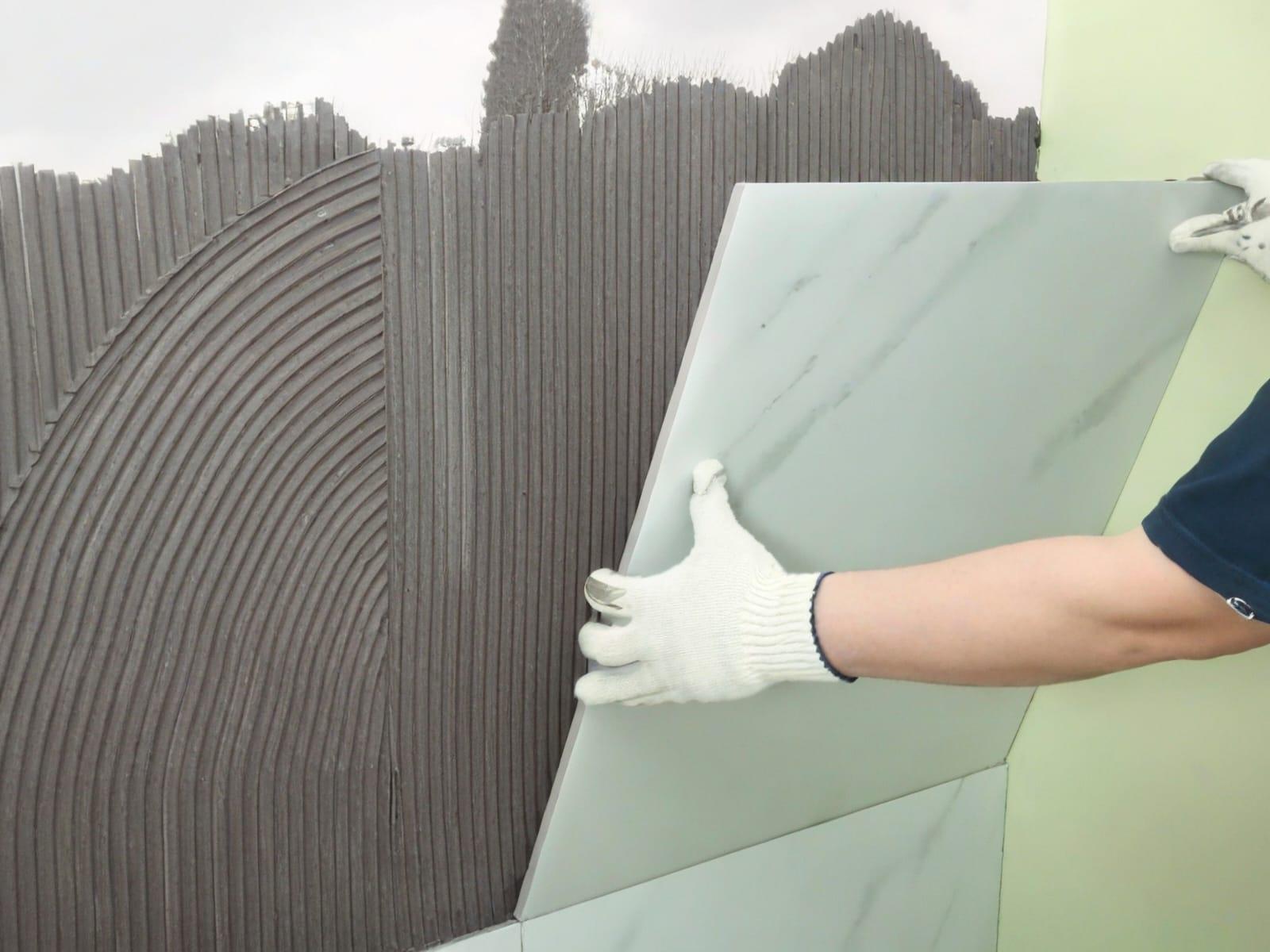
The US tile adhesives market is experiencing steady growth as residential remodeling, commercial construction, and infrastructure development continue to reshape the country’s built environment. Tile adhesives have become the preferred choice over traditional mortar due to their ease of application, stronger bonding capabilities, and compatibility with modern tile materials. With the US construction industry valued at over $2 trillion and homeowners investing heavily in renovation projects, demand for high-performance adhesives is rising. Manufacturers are also introducing low-VOC and eco-friendly solutions, reflecting the growing focus on sustainability and building efficiency across the country.
Market Drivers Advancing the US Tile Adhesives Industry
Rising Residential Renovation and Remodeling Activity
One of the most significant drivers of the US tile adhesives market is the strong demand for home improvement and remodeling projects. According to industry estimates, Americans spend hundreds of billions of dollars annually on residential renovations, with kitchens and bathrooms accounting for a substantial share. These spaces typically require ceramic, porcelain, and natural stone tile installations, driving consistent demand for advanced tile adhesive products. Homeowners increasingly prefer large-format and premium tiles, which often require specialized adhesive systems for enhanced durability and performance.
Expanding Commercial and Infrastructure Construction
Commercial buildings, healthcare facilities, educational institutions, airports, and transportation hubs are increasingly utilizing tile surfaces due to their durability and low maintenance requirements. The ongoing modernization of public infrastructure and commercial spaces has created new opportunities for adhesive manufacturers. Large-scale projects often require high-strength bonding solutions capable of withstanding heavy foot traffic and varying environmental conditions. As urban development accelerates across major US metropolitan areas, tile adhesive consumption continues to climb.
Growing Adoption of Advanced and Sustainable Adhesive Technologies
The industry is witnessing a shift toward polymer-modified, fast-setting, and environmentally friendly adhesive formulations. Contractors increasingly prefer ready-to-use adhesives that reduce installation time and labor costs while ensuring superior bonding strength. Additionally, green building certifications and sustainable construction practices are encouraging the adoption of low-emission products. These innovations not only improve project efficiency but also align with rising consumer awareness regarding indoor air quality and environmental responsibility.
Government Initiatives Supporting the US Tile Adhesives Industry
Federal investments in infrastructure modernization, transportation networks, public buildings, and affordable housing are indirectly supporting demand for tile adhesives. Programs under major infrastructure funding initiatives are driving construction activity across airports, transit stations, schools, and healthcare facilities. Additionally, energy-efficient building standards and sustainability-focused regulations are encouraging the use of innovative construction materials, creating favorable conditions for advanced tile adhesive manufacturers operating in the US market.
Competitive Dynamics Across the US Tile Adhesives Sector
The US tile adhesives market features strong competition among global and regional manufacturers focused on product innovation, sustainability, and contractor support. Major participants include MAPEI, Sika, Saint-Gobain’s Weber, ARDEX, LATICRETE, and Bostik. Companies continue to expand their product portfolios with high-performance, moisture-resistant, and eco-friendly formulations while strengthening distribution networks to improve market reach and customer accessibility across the country.
Challenges Impacting the US Tile Adhesives Industry
Volatility in Raw Material Costs
Manufacturers face fluctuations in the prices of polymers, resins, cement, and chemical additives. These cost variations can pressure profit margins and create pricing challenges throughout the supply chain.
Labor Shortages in Construction Sector
The US construction industry continues to face skilled labor shortages. Limited availability of experienced tile installers can delay projects and affect overall demand patterns, particularly during periods of heightened construction activity.
Future Outlook
The future of the US tile adhesives market appears promising as construction, renovation, and infrastructure investments remain strong. Demand for large-format tiles, sustainable building materials, and high-performance adhesives is expected to increase steadily over the coming decade. Manufacturers that focus on innovation, environmentally responsible products, and application efficiency will be well-positioned to capitalize on emerging opportunities. As the construction sector embraces modernization and sustainability, tile adhesives will play an increasingly important role in delivering durable, aesthetically appealing, and high-quality building projects across the United States.
Consultants at Nexdigm, in their latest publication “US Tile Adhesives Market Outlook to 2035” analyze the sector By Adhesive Technology (Rapid-Setting Mortars, Organic Mastics and Epoxy Tile Adhesives), By Tile and Stone Type (Marble, Granite and Quarry Tile) and By Substrate Type (Concrete, Existing Tile and Heated Floor Systems).
Nexdigm suggests that businesses in “US Tile US Tile Adhesives Market Outlook to 2035Adhesives Industry” focusses on oilfield, desalination, construction, and industrial applications, strengthen local warehousing, develop application-specific grades, improve technical support, and build resilient sourcing networks to serve expanding energy, water, and manufacturing demand.
To take the next step, simply visit our Request a Consultation page and share your requirements with us.
Harsh Mittal
+91-8422857704