
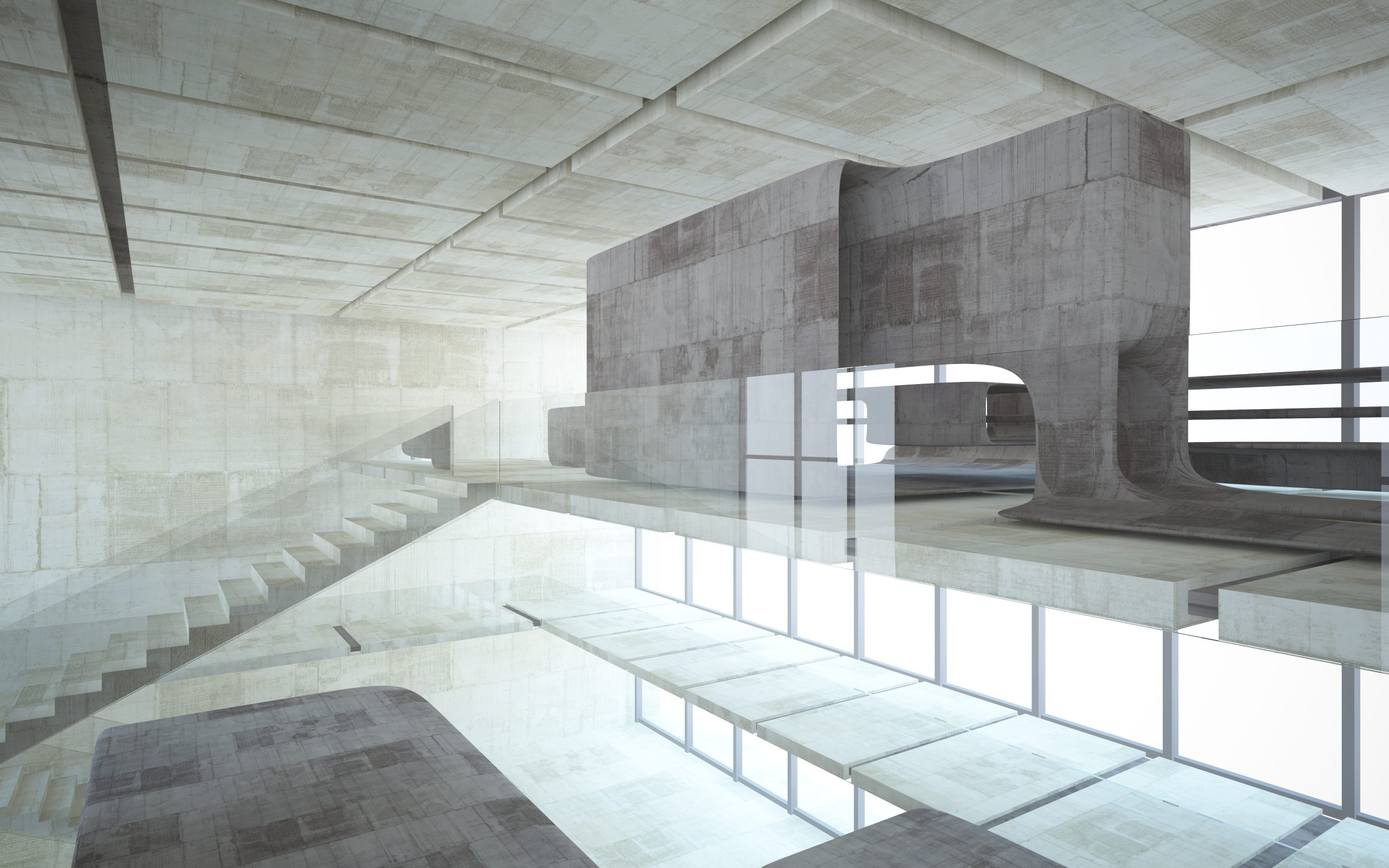
The US translucent concrete market is gaining momentum as architects, developers, and construction firms increasingly seek innovative building materials that combine aesthetics with functionality. Translucent concrete, embedded with optical fibers or light-transmitting elements, allows natural and artificial light to pass through structural surfaces while retaining the strength of conventional concrete. Demand is rising across premium commercial buildings, institutional facilities, luxury interiors, and sustainable construction projects. The market is further supported by growing investments in green buildings, with states such as California and New York recording hundreds of LEED-certified projects covering more than 194 million square feet combined.
Market Drivers Supporting US Translucent Concrete Industry
Growing Demand for Sustainable and Green Buildings
Sustainability has become a central focus of the US construction industry. Developers are increasingly incorporating materials that improve energy efficiency and reduce environmental impact. Translucent concrete supports daylight harvesting, reducing dependence on artificial lighting and lowering energy consumption. The growing number of green-certified buildings is creating strong demand for innovative façade materials. California recorded approximately 437 LEED-certified projects covering more than 101 million square feet, while New York reported 201 projects spanning over 93 million square feet. These large-scale sustainable developments are encouraging wider adoption of translucent concrete in commercial and institutional construction.
Rising Investments in Premium Architectural Design
Modern architecture increasingly emphasizes visually distinctive and high-performance building materials. Translucent concrete provides unique design flexibility by enabling the creation of illuminated walls, facades, partitions, and decorative structures. Major metropolitan areas including New York, Los Angeles, Chicago, San Francisco, Dallas, Houston, and Washington D.C. are witnessing growing demand for premium construction materials. Architects are leveraging translucent concrete to create landmark structures that combine aesthetic appeal with energy-efficient design. The material’s ability to transmit light while maintaining structural integrity makes it particularly attractive for upscale developments.
Expansion of Commercial and Institutional Infrastructure
Increasing investments in commercial offices, airports, healthcare institutions, educational facilities, and public infrastructure projects are supporting market growth. Building owners are adopting advanced construction materials to improve visual appeal and occupant experience. Translucent concrete is increasingly being used in interior walls, lighting features, exterior cladding, and public installations. As infrastructure modernization continues across the United States, demand for specialty construction materials with superior performance characteristics is expected to rise steadily.
Government Initiatives Supporting US Translucent Concrete Sector
Federal and state governments continue to encourage sustainable construction practices through green building standards, energy-efficiency programs, and environmental regulations. Initiatives supporting LEED certification, net-zero energy buildings, and sustainable urban development are fostering the adoption of innovative materials. Public-sector investments in modern infrastructure and energy-efficient buildings are also creating opportunities for translucent concrete manufacturers and solution providers across the country.
Competitive Landscape of US Translucent Concrete Industry
The US translucent concrete market remains relatively specialized, with competition centered on material innovation, product customization, and project-specific solutions. Market participants focus on developing advanced optical fiber technologies, improving durability, and enhancing design flexibility. Companies collaborate with architects, engineering firms, and construction contractors to address unique project requirements. Innovation, sustainability credentials, and the ability to deliver customized architectural solutions remain important for competitive differentiators.
Challenges Affecting US Translucent Concrete Growth
High Material and Installation Costs
One of the primary challenges facing the market is the relatively high cost of translucent concrete compared to traditional concrete products. The integration of optical fibers and specialized manufacturing processes increases production expenses, limiting adoption in cost-sensitive projects.
Limited Awareness and Technical Expertise
Despite its benefits, translucent concrete remains a niche of construction material. Many developers and contractors have limited experience with their installation and long-term performance characteristics. The need for specialized design knowledge and technical expertise can slow market penetration, particularly in smaller construction projects.
Future Outlook
The future of the US translucent concrete market appears promising, driven by increasing emphasis on sustainable construction, energy-efficient buildings, and architectural innovation. Growing urbanization, modernization of commercial infrastructure, and rising investments in premium building materials are expected to expand application opportunities. Advancements in manufacturing technologies may gradually reduce production costs and improve scalability. As green building practices become more widespread and architects seek distinctive design solutions, translucent concrete is likely to gain broader acceptance across both commercial and institutional construction segments, supporting long-term market growth.
Consultants at Nexdigm, in their latest publication “US Translucent Concrete Market Outlook to 2035,” analyze the sector By Product Form (Market Definition and Scope, US Translucent Concrete Market Classification, Light-Transmitting Concrete Technology Mapping, Optical-Fiber-Embedded Concrete Assessment).
Nexdigm suggests that businesses in the US Translucent Concrete Industry focus on expanding applications in architectural and sustainable construction projects. Companies should invest in innovative production technologies, strategic partnerships, and premium design solutions to capitalize on growing demand for energy-efficient and aesthetically advanced building materials.
To take the next step, simply visit our Request a Consultation page and share your requirements with us.
Harsh Mittal
+91-8422857704