
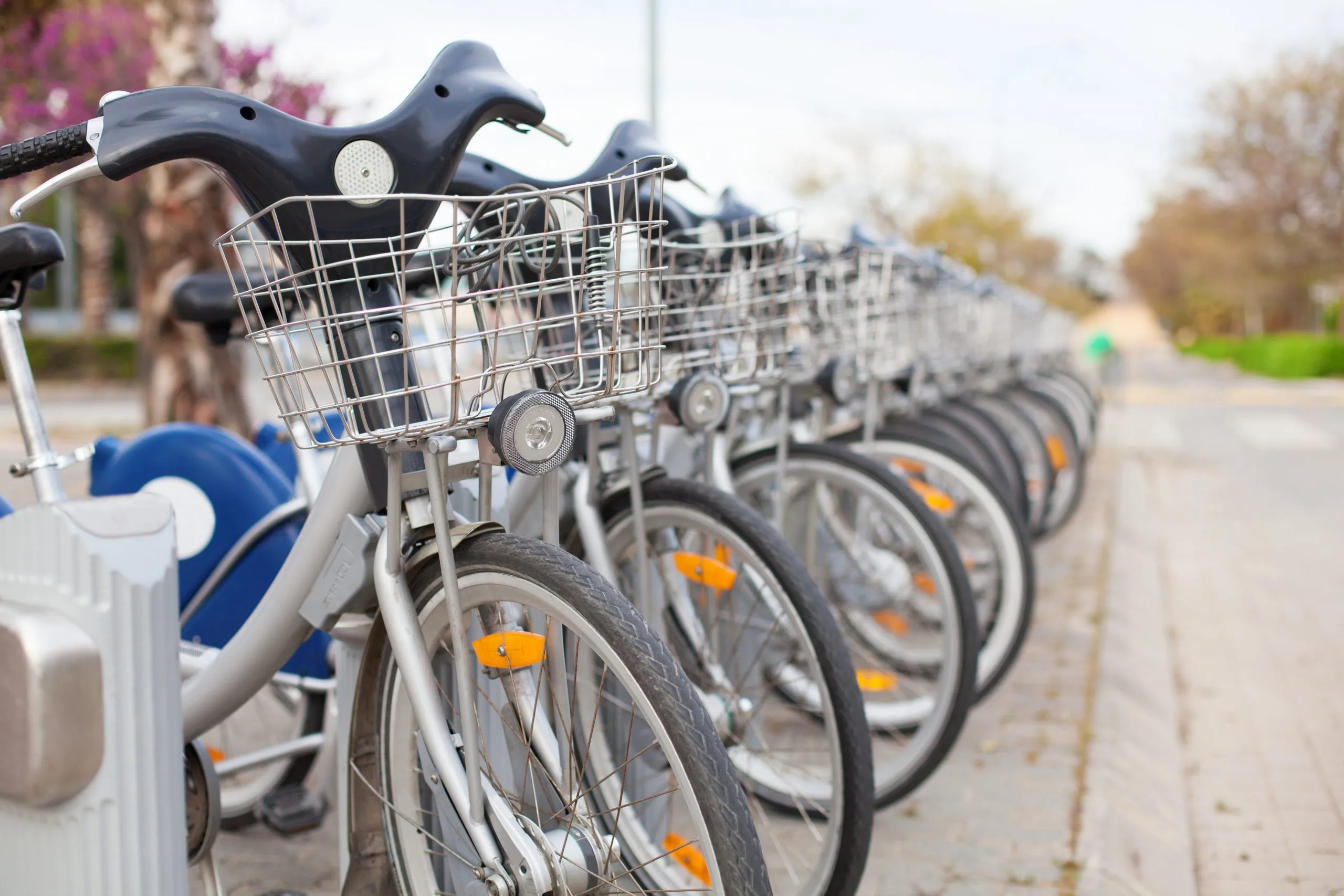
The USA bicycle market is expected to evolve steadily as cycling becomes more closely linked with fitness, recreation, urban mobility, and sustainability. Consumers are using bicycles not only for leisure but also for commuting, short-distance travel, delivery work, and healthier lifestyles. The U.S. e-bike market alone is projected to grow at a 15.6% CAGR value. At the same time, the North America bicycle market is expected to reach USD 16.76 billion in the coming years, reflecting strong regional momentum. This shift shows that bicycles are becoming part of a wider mobility and lifestyle ecosystem.
What Is Driving Growth in the USA Bicycle Market?
E-Bikes Are Bringing New Riders into the Market
E-bikes are one of the strongest growth drivers in the USA bicycle market. They appeal to commuters, older riders, delivery workers, recreational cyclists, and consumers who want to travel farther with less physical effort. Their growth is also supported by rising fuel costs, traffic congestion, and interest in cleaner short-distance transport. The U.S. e-bike market’s projected growth shows how quickly electric mobility is reshaping bicycle demand. E-bikes are also encouraging new users who may not have considered conventional bicycles for commuting or regular travel. As battery technology improves and more affordable models enter the market, e-bikes are likely to become a more common choice for both urban and suburban riders.
Fitness and Outdoor Recreation Are Supporting Bicycle Demand
Cycling continues to benefit from the broader outdoor recreation trend in the U.S. Outdoor participation reached a record 175.8 million Americans aged six and older based on recent research, representing 57.3% of that population. Cycling fits well into this shift because it supports fitness, leisure, family recreation, and active commuting. Consumers are also showing interest in gravel bikes, mountain bikes, hybrid bikes, and performance of bicycles for different riding occasions. As health-conscious lifestyles become more mainstream, bicycles are likely to remain relevant across both casual and enthusiast segments. This creates opportunities for brands to serve riders with products designed for comfort, endurance, terrain flexibility, and personal fitness goals.
Urban Mobility and Infrastructure Are Making Cycling More Practical
Cities are increasingly viewing bicycles as part of the mobility mix, especially for short-distance trips and first- or last-mile connectivity. Better bike lanes, trails, shared mobility systems, and safer street designs can support stronger adoption. Federal and local infrastructure spending is also helping expand safer cycling networks, making bicycles more practical for commuting. As more cities invest in complete streets and micromobility-friendly transport systems, cycling can become a more realistic alternative to car-based trips. This is especially important in dense urban areas where congestion, parking costs, and emissions concerns are pushing consumers toward lighter mobility options. Over time, better infrastructure could help convert occasional riders into regular bicycle users.
Government Support Strengthening the Cycling Infrastructure in the USA
Government support is strengthening the long-term outlook for cycling in the U.S. The Safe Streets and Roads for All grant program has provided USD 3.9 billion in federal funding across more than 2,000 communities through FY22–FY25 awards, supporting safer roads for pedestrians, cyclists, and other users. The Infrastructure Investment and Jobs Act also includes funding opportunities for bicycles, pedestrians, and micromobility infrastructure. These initiatives can improve safety, expand connected bike networks, and encourage more people to cycle regularly. Local bike-lane projects, trail investments, and complete-street programmes are also helping make cycling more accessible. As safety improves, bicycles are likely to play a larger role in daily transport planning.
Competitive Landscape of the USA Bicycle Market
The USA bicycle market is competitive, with global brands, domestic manufacturers, direct-to-consumer players, specialty retailers, mass retailers, and e-bike startups competing across price, performance, design, and technology. Established brands benefit from dealer networks and product credibility, while e-bike companies are differentiating through battery range, smart features, financing, and online sales. The market also includes strong demand for accessories, components, maintenance, and repair services. As competition intensifies, brands will need to balance innovation, safety, after-sales support, and affordability. Retail experience and service availability are becoming especially important as consumers seek guidance on e-bike batteries, maintenance, sizing, and safety. Companies that offer reliable products with strong support networks are likely to build stronger loyalty.
Challenges facing the USA Bicycle Market
Safety Concerns and Infrastructure Gaps
Safety remains a major barrier to wider bicycle adoption in the U.S. Many consumers are reluctant to ride regularly because of traffic risks, limited protected bike lanes, and inconsistent cycling infrastructure across cities and suburbs. E-bike safety is also under closer scrutiny as usage increases. Without safer routes and clearer rules, cycling may remain more recreational than commuter-led in many markets. Concerns around road-sharing with cars, theft, and poor lighting can also discourage everyday bicycle use. Addressing these issues will be essential for turning cycling into a practical mobility option for more Americans.
Inventory, Cost, and Affordability Pressures
The bicycle industry has faced post-pandemic inventory corrections, shifting consumer demand, and pressure on margins. Higher-quality bicycles and e-bikes can be expensive, which may limit adoption among price-sensitive consumers. Battery costs, tariffs, supply-chain volatility, and retail discounting can also affect profitability. Brands will need to manage pricing carefully while maintaining product quality and safety. Financing options, entry-level e-bikes, and value-focused models may help broaden the consumer base. For long-term growth, the industry must make cycling accessible without compromising reliability or rider safety.
Future Outlook
The USA bicycle market is expected to become more electric, connected, and mobility-focused. E-bikes will likely remain the fastest-growing segment, while conventional bicycles will continue to serve recreation, fitness, youth, and enthusiast demand. Growth will depend on safer infrastructure, improved affordability, better battery technology, and stronger integration with urban transport systems. Products designed for commuting, cargo use, family mobility, and mixed-terrain recreation are likely to gain traction. Brands that combine performance, safety, service support, and accessible pricing will be better positioned for long-term growth. As mobility habits shift, bicycles are likely to become a more visible part of how Americans move, exercise, and connect with their communities.
Consultants at Nexdigm, in their latest publication USA Bicycle Market Outlook to 2035,” analyzed the market by Product Type (Road, Mountain, Hybrid, Electric, Gravel, Kids Bicycle), by Price Range (Mass Market, Mid-Range, Premium Range)
Nexdigm believes businesses bicycle industry must focus on electric mobility, safety, affordability, and after-sales service to capture long-term growth. As cycling becomes part of fitness, recreation, tourism, and urban transport, brands should invest in durable products, reliable batteries, strong service networks, and infrastructure-aligned mobility solutions.
To take the next step, simply visit our Request a Consultation page and share your requirements with us.
Harsh Mittal
+91-8422857704