
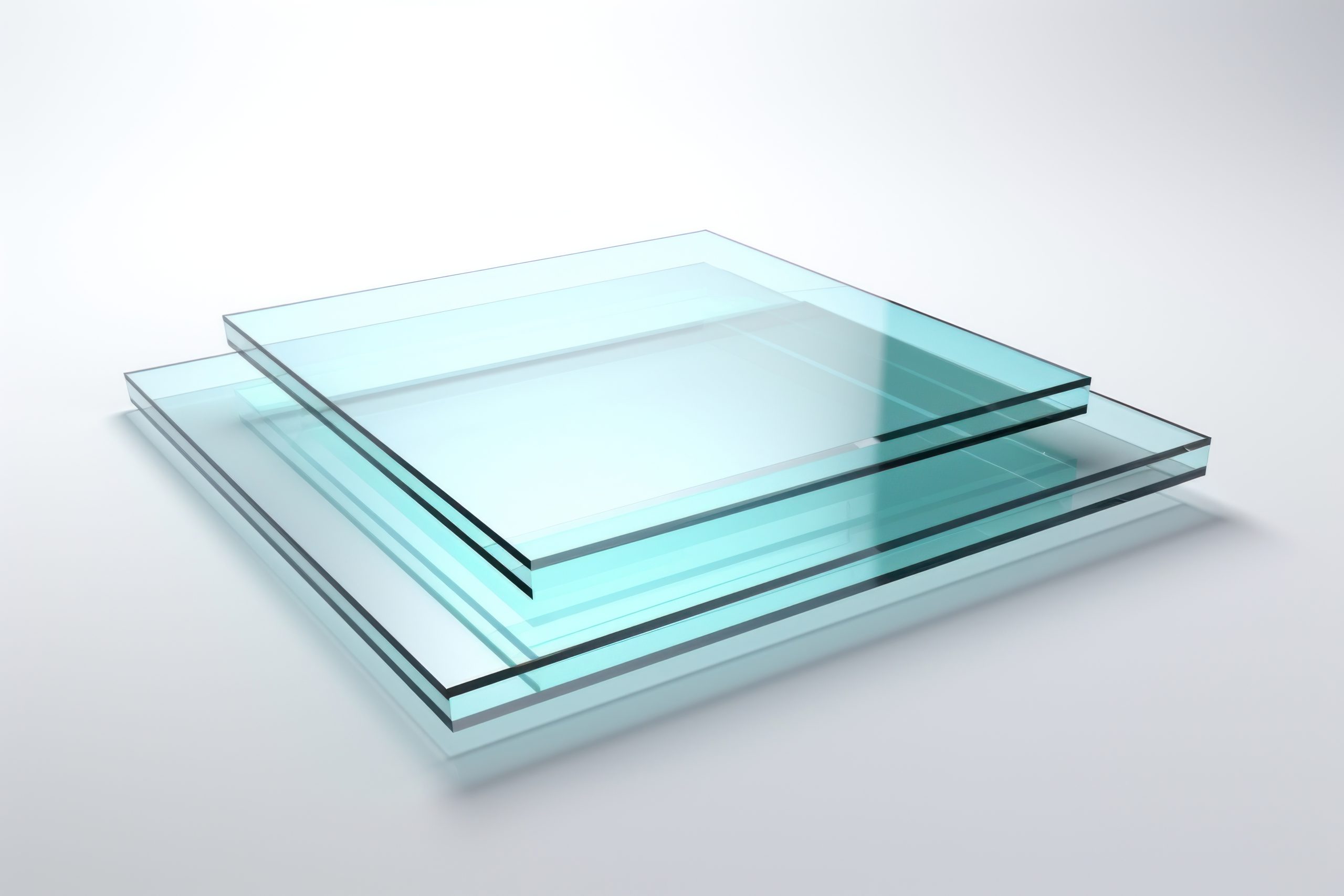
The USA coated glass market is gaining momentum as architects, developers, and vehicle manufacturers increasingly seek glazing that improves energy performance, comfort, and aesthetics. Coatings such as low-emissivity and solar-control layers can reduce heat transfer while supporting daylight and modern façade designs. The U.S. coated glass market generated approximately $6.0 billion in revenue in 2024 and is projected to reach $9.74 billion by 2030, representing an estimated 8.4% CAGR. Soft-coated glass accounted for more than 82% of U.S. coated glass revenue in 2024, highlighting its importance in high-performance glazing applications.
Key Market Drivers Shaping the USA Coated Glass Industry
Energy-Efficient Buildings Increasing Coated Glass Demand
Building energy performance is a major factor supporting coated glass adoption across the United States. Low-emissivity and solar-control coatings can help reduce unwanted heat transfer and solar heat gain, supporting more efficient heating and cooling. This makes coated glass increasingly relevant for commercial offices, retail properties, institutional buildings and residential developments. Architecture represented the dominant application globally, accounting for 88% of coated glass revenue in 2025, reflecting the broader importance of building applications. For U.S. developers, advanced glazing can also support green-building objectives while maintaining transparency and design flexibility.
Construction and Renovation Supporting Advanced Glazing
Continued investment in commercial construction, residential development, and renovation is creating additional opportunities for coated glass suppliers. Modern building envelopes increasingly incorporate high-performance windows and curtain walls to balance daylighting, thermal comfort, and energy consumption. The U.S. market is also benefiting from wider adoption of advanced glazing technologies. Solar-control glass alone generated approximately $1.17 billion in U.S. revenue in 2024 and is projected to reach nearly $1.99 billion by 2030, with a 9.2% CAGR.
Automotive Applications Expanding Product Opportunities
Coated glass is also used in automotive applications where thermal control, glare reduction, comfort, and appearance are important. As vehicle manufacturers introduce more sophisticated glazing systems, specialized coatings can provide additional functional benefits. This creates opportunities for suppliers beyond traditional architectural applications.
Government Support and Initiatives for Coated Glass Industry in the USA
U.S. energy-efficiency requirements and building-performance standards are supporting demand for advanced glazing solutions. Federal and state-level energy codes increasingly address building-envelope performance, while programs promoting efficient buildings encourage the use of technologies that can reduce operational energy consumption. Coated glass, particularly low-emissivity and solar-control products, can contribute to these objectives by improving window and façade performance.
Competitive Landscape of the USA Coated Glass Industry
The U.S. coated glass industry includes major global manufacturers and specialized glass producers. Key companies identified in market research include AGC, Saint-Gobain, Nippon Sheet Glass, Guardian Industries, Central Glass, and Fuyao Glass Industry Group. Competition centers on coating performance, product durability, manufacturing scale, customization, processing capabilities, and sustainability. Soft-coated products currently represent the largest U.S. segment, providing manufacturers with opportunities to differentiate through advanced thermal and solar-control performance.
Challenges Facing the USA Coated Glass Industry
High Production and Technology Costs
Coated glass requires specialized manufacturing equipment and sophisticated coating technologies, which can increase production costs compared with conventional glass. Energy consumption and fluctuations in raw-material prices can further affect manufacturers’ margins.
Balancing Performance and Durability
Manufacturers must balance thermal and solar-control performance with durability, optical quality, processing requirements, and installation considerations. Meeting different specifications across architectural and automotive applications can increase technical complexity and development costs.
Future Outlook
As we move ahead, the direction of the U.S. coated glass market is becoming clearer. The market’s projected growth from $6.0 billion in 2024 to $9.74 billion by 2030 indicates substantial expansion potential. Demand is likely to extend beyond conventional low-emissivity products toward multifunctional glazing that combines solar control, thermal insulation, aesthetics, and improved comfort. With soft coatings already representing more than four-fifths of U.S. market revenue, manufacturers that can improve coating performance while managing production costs may find opportunities across commercial construction, residential renovation, façades, and automotive glazing.
Consultants at Nexdigm, in their latest publication “US Coated Glass Market Outlook to 2035,” analyze the sector By Coating Type (Low E Coated Glass, Single Silver, Double Silver, Triple Silver E Coated Glass and Neutral Solar Control Glass), By Glass Substrate Type (Float, Tempered, Heat Strengthened Glass), By Application Type (Commercial, Office Buildings and Healthcare Facilities)
Nexdigm suggests that businesses in the US Coated Glass Industry should focus on developing energy-efficient and multifunctional glazing solutions, strengthening domestic production capabilities, investing in advanced coating technologies, and expanding applications across commercial construction, residential renovation, and automotive glazing.
To take the next step, simply visit our Request a Consultation page and share your requirements with us.
Harsh Mittal
+91-8422857704