
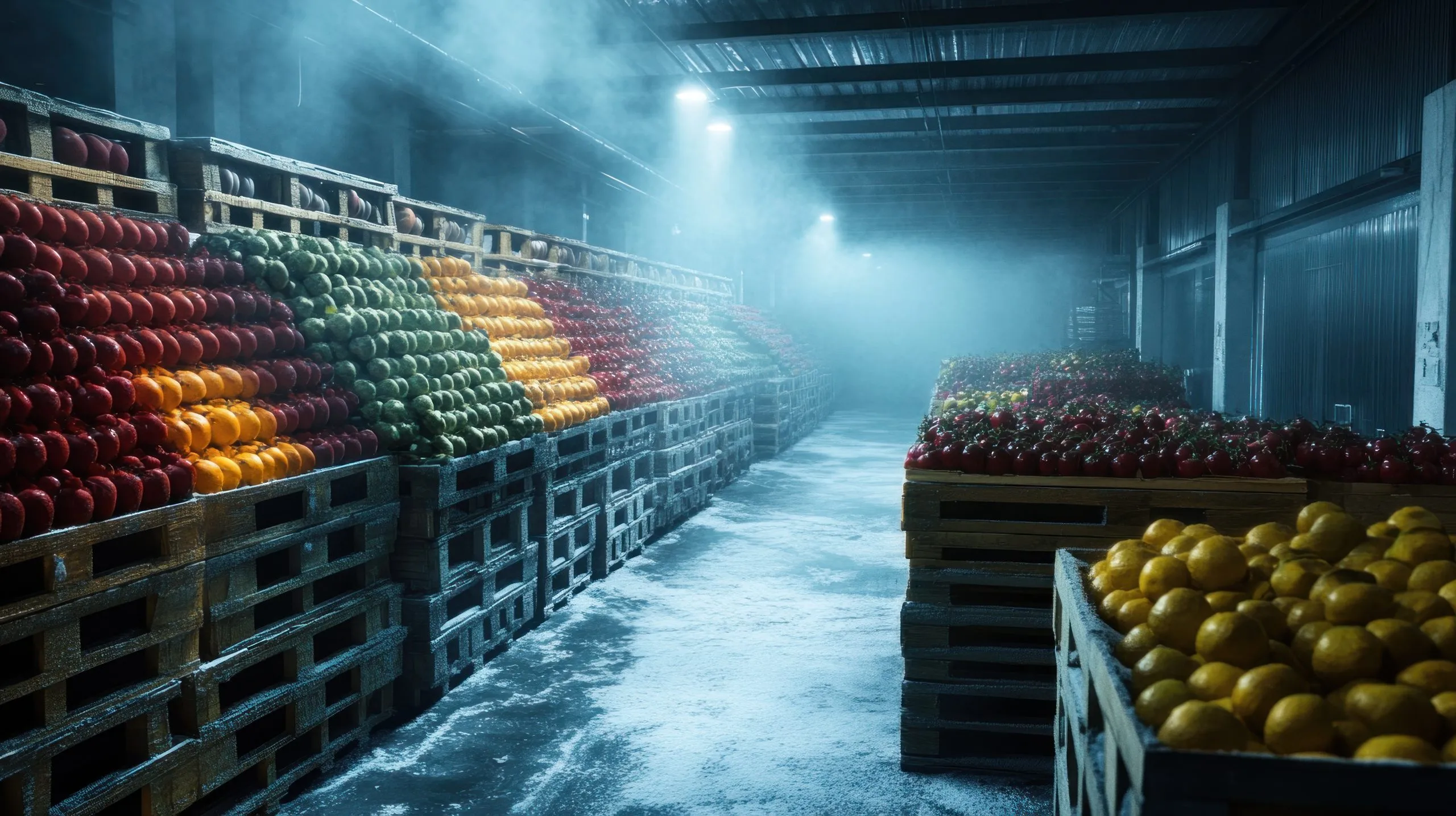
The USA cold chain logistics market is on a clear growth trajectory, projected to surpass $350 billion in the coming years. This surge is being driven by e-commerce, the growing demand for perishable goods, and innovations in logistics technology. As consumers increasingly demand fresh food, pharmaceuticals, and other temperature-sensitive products, cold chain logistics is becoming a critical element of the supply chain. With advancements in technology and regulatory compliance shaping the landscape, the industry is adapting to meet these new challenges head-on, offering faster and more reliable services. The evolving needs of consumers and industries alike are paving the way for a highly competitive and innovative market.
Key Drivers of Growth in the USA Cold Chain Logistics Market
The E-Commerce Boom and Demand for Fresh Deliveries
E-commerce is fueling the growth of the cold chain logistics market, especially with the rise of online grocery shopping. Online grocery sales are expected to reach heights, which directly increases the demand for temperature-controlled delivery services. As more consumers order fresh produce, frozen foods, and meal kits online, the need for efficient cold chain logistics becomes more critical. This shift also brings opportunities for logistics providers to expand their refrigerated networks and develop last-mile solutions to ensure products arrive at consumers’ doorsteps while maintaining optimal freshness and quality.
Pharmaceutical and Biotech Growth Driving Specialized Cold Chains
The demand for temperature-controlled transport isn’t just limited to food; it’s also a significant factor in the pharmaceutical and biotechnology sectors. With biologics, vaccines, and other sensitive medicines requiring strict temperature management, cold chain logistics are a crucial part of maintaining product integrity. In the U.S., biopharmaceutical shipments are expected to increase as new therapies and treatments emerge, contributing significantly to the cold chain market. As the industry grows, 3PL providers are continuously developing advanced, highly specialized solutions to meet these exacting temperature requirements. This market is also driving the need for real-time tracking and regulatory compliance, both of which are critical in the safe distribution of sensitive products.
The Role of Technology in Shaping the Cold Chain
Technological advancements, particularly in IoT and AI, are revolutionizing the cold chain logistics sector. Real-time tracking, temperature sensors, and automated systems allow providers to monitor shipments more efficiently and reduce the risk of product spoilage. These technologies help businesses predict and resolve issues before they become problems, ensuring greater reliability across the supply chain. By implementing machine learning algorithms for route optimization and predictive analytics for inventory management, 3PL companies are improving efficiency and reducing costs.
The US Government Support Shaping the Future of Cold Chain Logistics
The U.S. government plays a critical role in the growth of cold chain logistics through strategic investments in infrastructure and regulation. The Infrastructure Investment and Jobs Act has allocated funding to upgrade transportation networks, improving cold chain logistics efficiency. Additionally, regulations like the Food Safety Modernization Act (FSMA) enforce rigorous standards for food safety and temperature-controlled transportation, ensuring product quality from origin to destination. Government incentives for green technologies, such as electric refrigerated vehicles, are encouraging companies to adopt sustainable practices, paving the way for more eco-friendly cold chain solutions.
Competitive Landscape of the USA Cold Chain Market
The USA cold chain logistics market is dominated by both global leaders and specialized regional players. Companies such as Americold, Lineage Logistics, and United States Cold Storage are key players, continuously expanding their reach and enhancing service offerings. These providers are investing heavily in refrigerated warehouses, advanced transportation fleets, and technology to stay ahead of the competition. To remain competitive, many companies are also focusing on forming strategic partnerships with e-commerce platforms and pharmaceutical companies, ensuring they can meet the rising demand for temperature-sensitive goods.
Challenges faced in the USA Cold Chain Market
High Operational Costs and Infrastructure Limitations
One of the main challenges facing the USA cold chain logistics market is the high cost of maintaining temperature-controlled equipment, warehouses, and transportation. Energy consumption alone for refrigerated storage facilities is significant, adding substantial overhead for cold chain providers. Smaller logistics companies may struggle with these costs, which could limit their ability to compete with larger, more established players. Additionally, infrastructure limitations in rural and underserved areas could lead to delivery delays and increased prices for temperature-controlled services.
Regulatory Compliance and Workforce Challenges
Cold chain logistics providers must comply with strict regulations, especially when handling pharmaceuticals, which require detailed documentation and real-time temperature monitoring. These regulations add complexity and operational costs to the supply chain. Moreover, the cold chain industry faces challenges in hiring skilled labor, particularly for specialized roles such as temperature-sensitive transport operators and technicians. Companies must invest in training and automation to overcome these challenges and ensure operations run smoothly.
Future Outlook
As we move ahead, the USA cold chain logistics market will continue to grow, fueled by advances in technology, increased e-commerce activity, and a focus on sustainability. The market is expected to reach over $350 billion in the coming years, with technological innovations such as AI, real-time tracking, and autonomous refrigerated vehicles playing a critical role in streamlining operations. Sustainability will also play a key role in the future, with green logistics and energy-efficient solutions becoming standard. The integration of automated solutions, predictive analytics, and sustainable practices will position the USA cold chain logistics market for long-term success and resilience in the evolving global supply chain landscape.
Consultants at Nexdigm, in their latest publication USA Cold Chain Logistics Market Outlook to 2035, analyze the sector by System Type (Cold Storage Warehousing, Refrigerated Transportation, Blast Freezing and Quick-Freezing System, Inventory Monitoring and Tracking System), by Platform Type (Road based Cold chain logistics, Rail based Cold Chain logistics, Air and Cargo based Logistics).
Nexdigm suggests that businesses should take an agile approach in adapting to the evolving cold chain logistics market by investing in advanced technologies, such as real-time tracking and temperature monitoring systems. By prioritizing efficiency and flexibility, businesses can respond swiftly to changing market demands, regulatory requirements, and consumer expectations.
To take the next step, simply visit our Request a Consultation page and share your requirements with us.
Harsh Mittal
+91-8422857704