
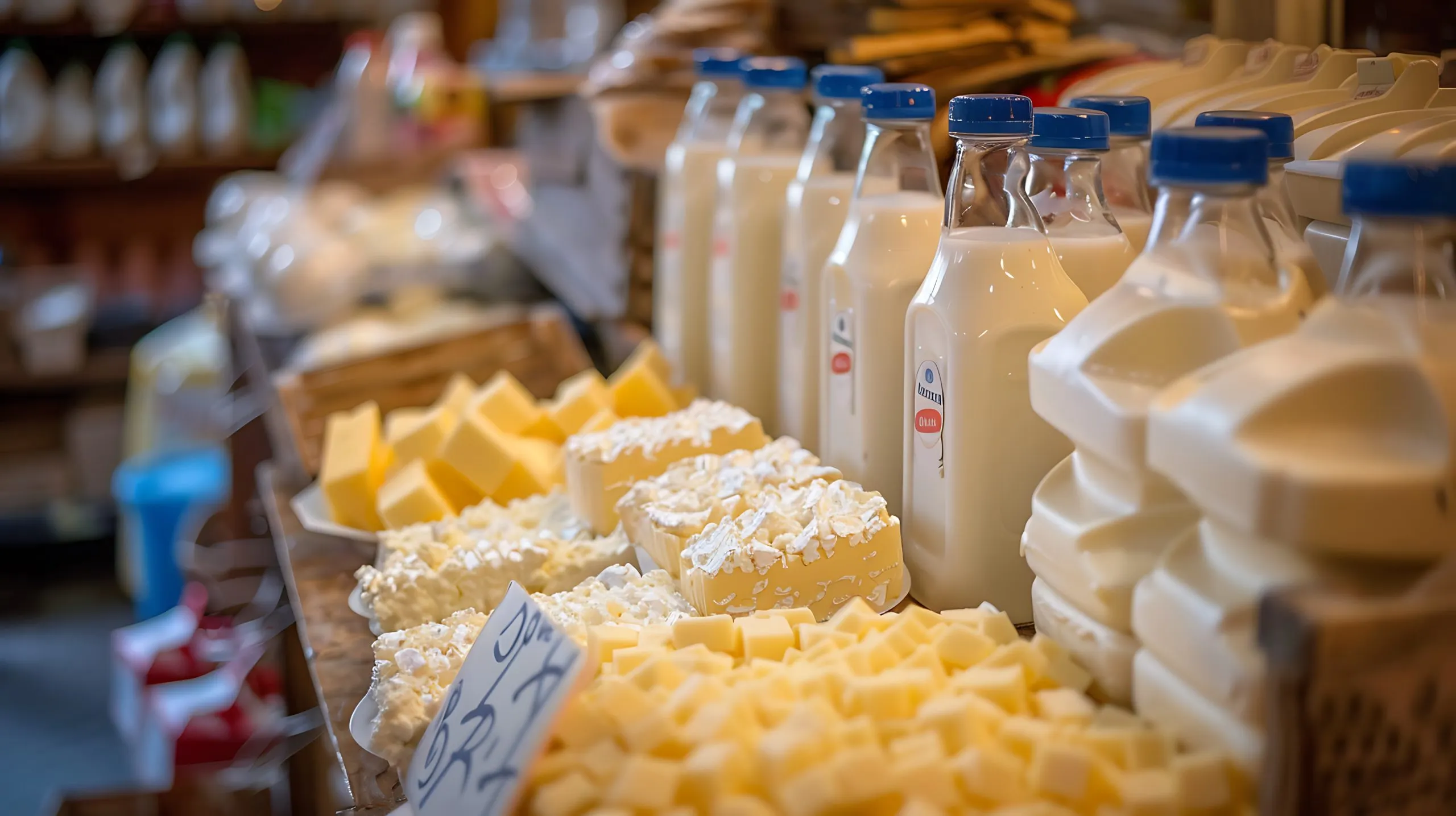
The USA dairy alternatives market is expanding as consumers increasingly look for plant-based, lactose-free, vegan, and flexitarian-friendly products across milk, yogurt, cheese, creamers, desserts, and ready-to-drink formats. The market was valued at around USD 9.97 billion and is projected to reach USD 16.46 billion, growing at a CAGR of 8.72%. Demand is being shaped by health awareness, digestive comfort, sustainability concerns, and product innovation. For many consumers, dairy alternatives are no longer niche purchases but regular additions to coffee, breakfast, cooking, snacking, and foodservice menus.
Key Drivers Accelerating the USA Dairy Alternatives Market
Rising Demand for Lactose-Free and Health-Conscious Options
A major driver of the USA dairy alternatives market is the growing consumer shift toward lactose-free, lower-cholesterol, and plant-based nutrition. Many shoppers are choosing almond, oat, soy, coconut, pea, and cashew-based products because they offer dairy-free convenience without compromising everyday usage. Plant-based milk remains one of the strongest categories, holding a meaningful share of U.S. milk retail sales. Consumers are also looking for products fortified with calcium, vitamin D, protein, and other nutrients to match traditional dairy’s functional benefits. This is encouraging brands to improve taste, mouthfeel, and nutritional quality.
Product Innovation Across Milk, Yogurt, Cheese, and Creamers
Dairy alternatives are expanding beyond basic milk substitutes. Brands are introducing barista-friendly oat milk, high-protein plant-based beverages, cultured yogurts, dairy-free cheese slices, frozen desserts, coffee creamers, and clean-label formulations. These products are designed to fit into daily routines, from café beverages to home cooking. Innovation in texture and flavor is especially important because consumers want alternatives that behave like dairy in coffee, baking, sauces, and desserts. As product quality improves, repeat purchases are becoming stronger.
Retail and Foodservice Expansion
Supermarkets, natural food stores, online platforms, cafés, QSRs, and specialty coffee chains are increasing dairy-free product availability. Foodservice demand is particularly important as oat milk and almond milk become common options in coffee shops and restaurants. Wider shelf placement, private-label launches, and promotional pricing are helping dairy alternatives reach mainstream consumers.
Government Support, Food Labelling and Sustainable Innovation
Government support is mainly linked to food safety, nutrition labelling, sustainability, and innovation in alternative proteins. The U.S. regulatory environment requires dairy alternative brands to maintain clear ingredient, allergen, and nutrition disclosures, which helps build consumer trust. Public and private investment in sustainable food systems, food technology, and plant-based ingredient development also supports market growth. Although direct subsidies remain stronger for traditional agriculture, growing attention to climate-friendly food innovation is creating a more supportive environment for dairy alternative product development.
Competitive Landscape of the USA Dairy Alternatives Market
The USA dairy alternatives market is highly competitive, with plant-based specialists, traditional dairy companies, food conglomerates, private-label players, and start-ups competing across categories. Competition is shaped by taste, nutrition, price, clean-label claims, sustainability positioning, and retail visibility. Leading brands are investing in oat, almond, soy, coconut, and pea-based formulations, while retailers are expanding private-label dairy-free ranges. As consumers become more selective, brands that deliver better texture, protein content, affordability, and everyday usability are better positioned to grow.
Key Challenges Impacting the USA Dairy Alternatives Market
Higher Prices and Value Sensitivity
Dairy alternatives often carry a price premium compared with conventional milk and dairy products. Inflation and household budget pressure can make consumers more cautious, especially for premium oat milk, plant-based cheese, and specialty products.
Nutrition and Processing Concerns
Some consumers are questioning the protein content, additives, oils, and processing levels of certain dairy alternatives. This makes clean-label formulations, better fortification, and transparent nutrition messaging increasingly important.
Future Outlook
The USA dairy alternatives market is expected to grow steadily as plant-based products become more accessible, better tasting, and more functional. Future growth will likely come from high-protein dairy-free beverages, barista-style milks, fortified yogurts, improved plant-based cheeses, and clean-label creamers. Foodservice adoption will remain important as cafés and restaurants normalize dairy-free choices. However, brands will need to balance sustainability messaging with taste, affordability, and nutrition. As consumers become more practical in their choices, the strongest opportunities will come from products that feel familiar, perform well, and fit naturally into daily diets.
Consultants at Nexdigm, in their latest publication “USA dairy alternatives market Outlook to 2035,” analyze the sector By Product Type (Shelf Presence, SKU Penetration, Household Adoption Rate), By Source Type (Protein Content, Processing Efficiency, Nutritional Profile)
Nexdigm suggests that businesses should prioritize taste improvement, clean-label formulations, stronger nutritional positioning, and wider retail and foodservice partnerships to capture growth in the USA dairy alternatives market.
To take the next step, simply visit our Request a Consultation page and share your requirements with us.
Harsh Mittal
+91-8422857704