
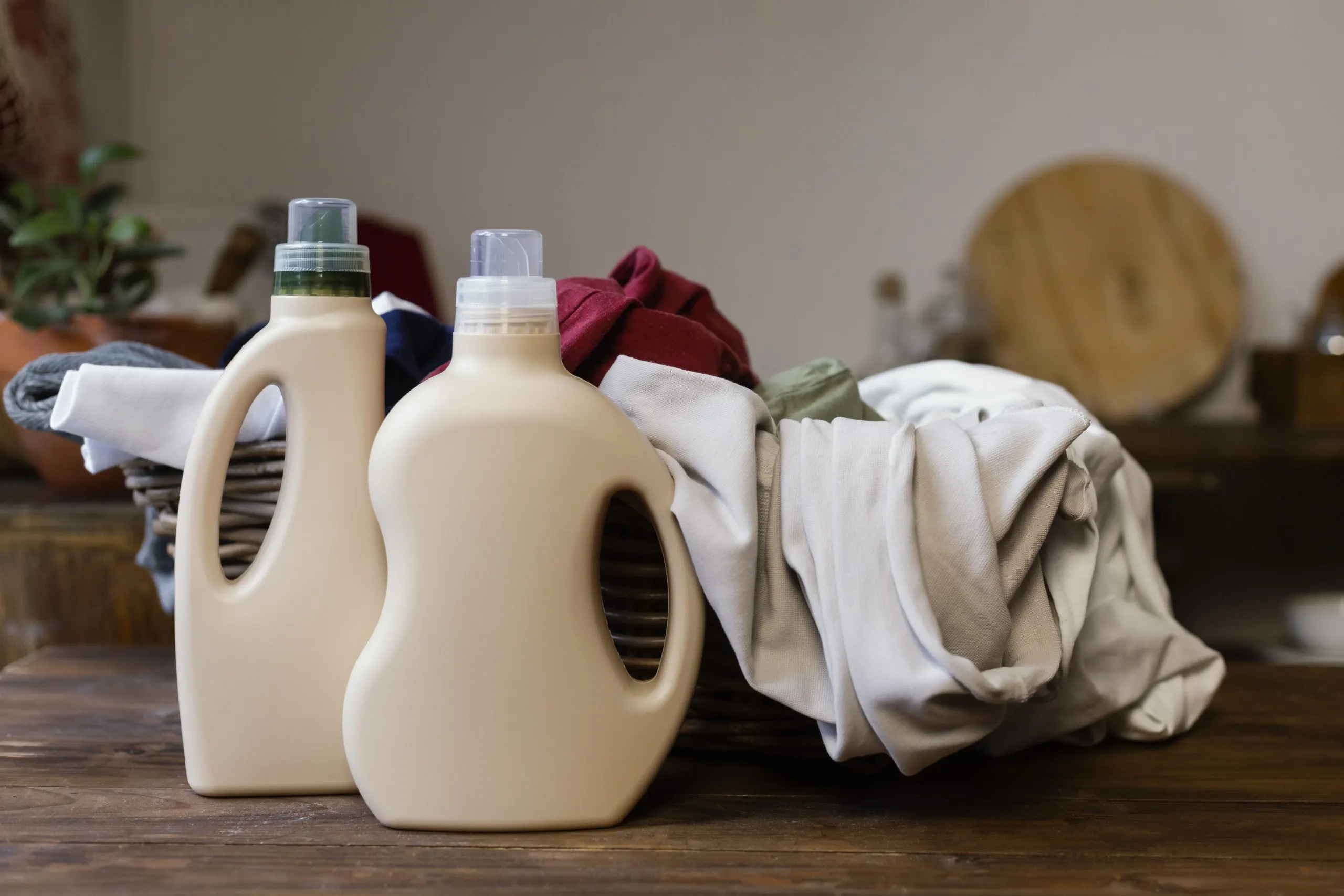
The USA fabric softeners and conditioners market is steadily growing as consumers increasingly prioritize fabric care, comfort, and laundry convenience. Valued at over USD 3.1 billion in the previous years, these products are widely used in households to provide softness, reduce static, and maintain garment longevity. Busy lifestyles, urban living, and rising awareness of product performance and fragrance are driving adoption. Modern fabric care solutions now combine functional benefits like static reduction, long-lasting scent, and gentle formulations suitable for sensitive skin. Retail availability across supermarkets, drugstores, and e-commerce platforms ensures easy access for consumers nationwide. Consumers also increasingly seek eco-friendly and concentrated products, reflecting a shift toward sustainability and smarter consumption habits. This makes fabric softeners a crucial part of daily laundry routines.
Key Drivers Fueling the US Fabric Softener Market Growth
Rising Consumer Emphasis on Fabric Comfort and Performance
Consumers in the USA value laundry products that enhance clothing feel, reduce wrinkles, and extend fabric life. Fabric softeners and conditioners meet these needs by delivering softness, improving scent retention, and reducing static cling. With busier households and dual-income families, products that combine multiple benefits save time and effort, increasing their relevance. The desire for consistent, high-quality laundry results is driving loyalty toward brands that deliver both effectiveness and sensory appeal.
Lifestyle Changes and Premiumization
Urban lifestyles and changing consumer preferences are fueling adoption of premium and specialized fabric care products. Eco-friendly formulations, hypoallergenic options, and innovative scents appeal to health-conscious and environmentally aware shoppers. Brands are leveraging lifestyle-oriented messaging to position fabric softeners as part of a broader home wellness routine. As a result, products with long-lasting fragrances, concentrated formulas, or multifunctional benefits are gaining market share. The trend toward premiumization reflects consumers’ willingness to pay more for quality, convenience, and value-added benefits in their laundry routines.
E-commerce and Retail Expansion
Retail and e-commerce channels are reshaping product accessibility and convenience. Traditional supermarkets and hypermarkets continue to drive bulk sales, while online platforms experience rapid growth due to home delivery, wider selections, and subscription-based purchases. Digital marketing and e-commerce promotions help brands reach younger, tech-savvy consumers who prefer shopping online. Online channels also allow niche or sustainable brands to enter the market without relying on traditional shelf space.
Government Regulatory Measures for the US Fabric Softener Market
While direct government support for sales is minimal, U.S. regulatory agencies influence formulations and safety standards. The EPA and FTC set guidelines on chemical safety, environmental claims, and ingredient labeling. These regulations encourage manufacturers to develop eco-friendly, non-toxic, and safe products for households. Consumers benefit from clearer information on product ingredients, usage, and environmental impact. Compliance also motivates brands to innovate with biodegradable, low-VOC, and hypoallergenic solutions, which are increasingly preferred by health-conscious buyers. Transparent labeling builds trust and strengthen brand loyalty in a competitive market.
Competitive Landscape of the US Fabric Softener Market
The U.S. fabric softeners and conditioners market is dominated by major global brands such as Procter & Gamble (Downy, Bounce), Unilever (Snuggle), Henkel, and Reckitt Benckiser. Niche and eco-conscious brands, like Seventh Generation and Dropps, are gaining traction among environmentally aware consumers. Retailer private labels and store brands add pricing competition, particularly in cost-sensitive segments. Differentiation now comes from fragrance innovation, concentrated formulas, multifunctional benefits, and sustainability claims. Clubs that combine retail presence, digital marketing, and consumer education gain competitive advantage and increase market penetration.
Market Challenges facing the US Fabric Care Industry
Environmental Concerns and Compliance
Traditional fabric softeners contain chemicals that raise environmental concerns, prompting regulatory scrutiny. Manufacturers must invest in sustainable, non-toxic formulations, which can increase production costs and complicate innovation efforts. Consumer awareness of environmental impact also demands transparency, further shaping product development strategies.
Saturation and Competitive Pressure
Market saturation presents challenges for new entrants and smaller brands. Leading players dominate shelf space and brand recognition, requiring innovative product features, marketing, and distribution strategies to compete. Price-sensitive consumers may gravitate toward private labels, putting pressure on margins for mainstream brands. Consistent brand differentiation and engagement are essential for long-term market success.
Future Outlook
The U.S. fabric softeners and conditioners market is expected to continue growing at a moderate CAGR of around 4.2%, driven by urban lifestyles, rising disposable income, and demand for high-quality, multifunctional products. Premium, eco-friendly, concentrated, and hybrid formulations will attract more consumers, while e-commerce channels and subscription models will expand accessibility. Brands that focus on sustainability, innovation, and convenience will gain the largest market share. With consumers increasingly prioritizing comfort, fragrance, and environmental responsibility, fabric softeners will remain an integral part of American households’ daily laundry care routines.
Consultants at Nexdigm, in their latest publication USA Fabric Softeners & Conditioners Market Outlook to 2035,” analyzed the market by Product Type (Liquid Fabric Softener, Dryer Sheets, Scent Boosters, Concentrated Fabric Softeners), by Consumer Demographics (Urban, Sub Urban, Middle-Income Households, Premium Product Consumers).
Nexdigm believes businesses in the fabric care industry must focus on innovation, sustainability, and consumer-centric solutions. This includes developing eco-friendly, hypoallergenic, and multifunctional products, integrating digital engagement for brand loyalty, and leveraging trends like premiumization, e-commerce, and personalized experiences to meet evolving household needs and maintain competitive advantage.
To take the next step, simply visit our Request a Consultation page and share your requirements with us.
Harsh Mittal
+91-8422857704