
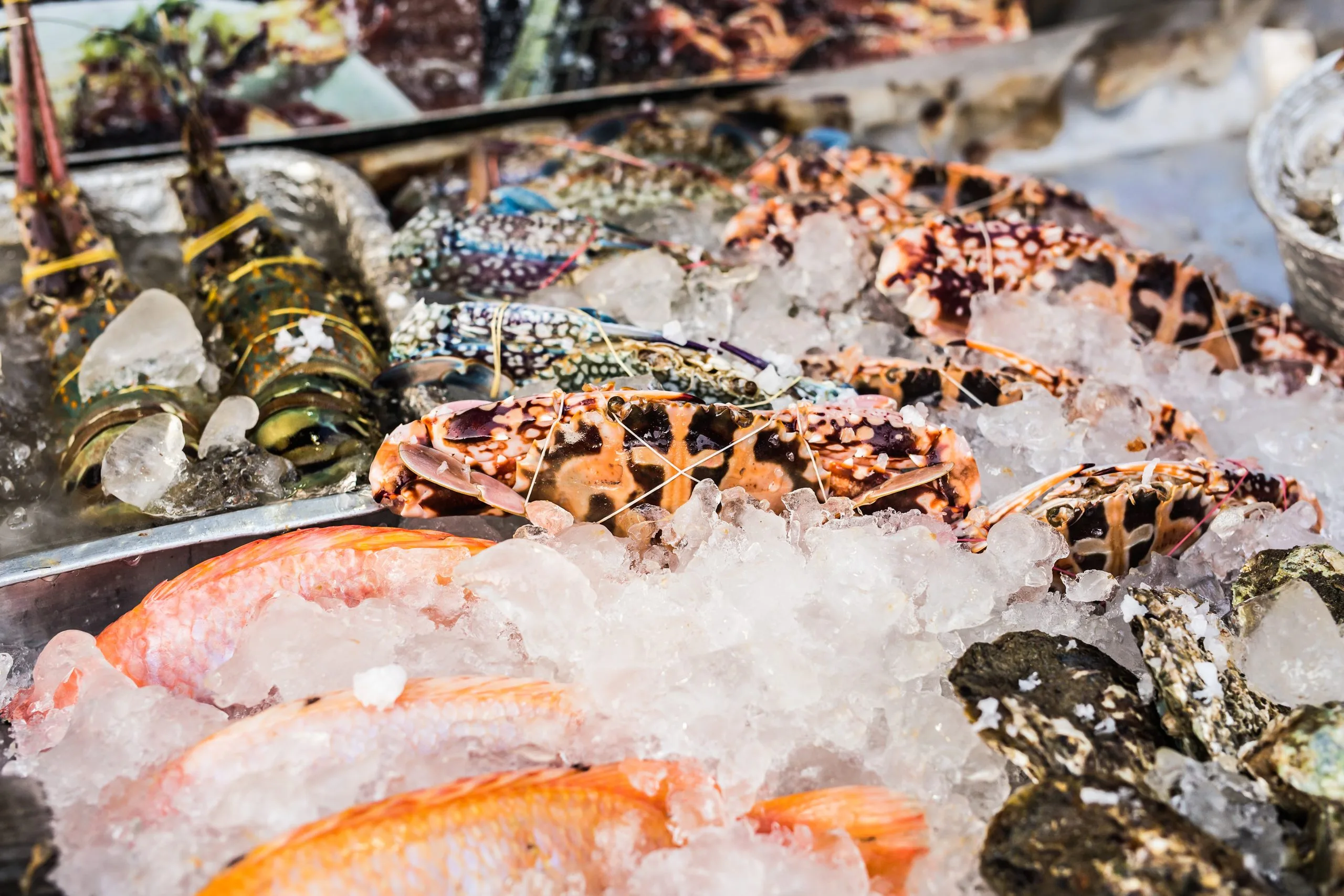
The USA frozen seafood market has witnessed steady growth as consumers increasingly seek convenient, nutritious, and long-lasting food options. Frozen seafood, including shrimp, salmon, and pollock, has become a staple in many households due to its ease of storage and preparation. The market is valued at over USD 3.5 billion and is expected to reach around USD 5.2 billion in the coming years, growing at a steady pace. Rising seafood consumption—now averaging about 19.2 pounds per capita annually—highlights a growing preference for protein-rich diets. As lifestyles become busier, frozen seafood is emerging as a practical and healthy solution for everyday meals.
Key Growth Drivers of the USA Frozen Seafood Market
Rising Demand for Convenient and Ready to Cook Food
One of the most significant drivers of the USA frozen seafood market is the growing demand for convenience foods. With over 85% of households seeking easy meal solutions, frozen seafood offers a quick and reliable option for busy consumers. The ability to store seafood for extended periods without compromising quality makes it ideal for modern lifestyles. Additionally, the rise of home cooking has further boosted demand, as consumers look for ingredients that are both versatile and easy to prepare. This convenience factor has made frozen seafood a preferred choice across diverse demographics, from working professionals to families.
Increasing Health Consciousness and Protein Demand
Health awareness is another key factor driving the USA frozen seafood market. Seafood is widely recognized for its high protein content, omega-3 fatty acids, and essential nutrients, making it a preferred option for health-conscious consumers. Over the past decade, seafood consumption in the U.S. has risen significantly, reflecting a shift toward healthier dietary habits. Frozen seafood retains most of its nutritional value, offering up to 96% of nutrients compared to fresh products. This makes it an attractive alternative for consumers looking to maintain a balanced diet without compromising convenience.
Expansion of Retail and E Commerce Channels
The expansion of retail infrastructure and e-commerce platforms has greatly enhanced the accessibility of frozen seafood products. Supermarkets, hypermarkets, and online grocery platforms are increasingly dedicating space to frozen food categories, making it easier for consumers to purchase seafood regularly. Frozen seafood now accounts for around 42% of retail seafood sales by volume, surpassing fresh alternatives in some cases. Additionally, online grocery shopping has widened market reach, allowing consumers to explore a broader range of products and brands. This improved accessibility continues to drive market growth across urban and suburban regions.
Government Support Strengthening the USA Frozen Seafood Market
Government initiatives and regulatory frameworks play an important role in supporting the USA frozen seafood market. Agencies such as NOAA and USDA promote sustainable fishing practices and encourage seafood consumption through dietary guidelines. For instance, U.S. dietary recommendations suggest consuming at least 8 ounces of seafood per week, driving awareness around its health benefits. Sustainability certifications and traceability standards are also improving consumer trust, while ensuring responsible sourcing and long-term industry growth.
Competitive Landscape of the USA Frozen Seafood Market
The USA frozen seafood market is highly competitive, with both domestic and international players striving to capture market share. Companies such as Trident Seafoods, High Liner Foods, and Bumble Bee Foods are key participants in this segment. Product innovation plays a critical role, with companies introducing value-added offerings such as pre-seasoned, ready-to-cook, and portion-controlled products. Strategic partnerships with retailers and foodservice providers are further helping brands expand their reach and strengthen their presence in the market.
Market Challenges in the USA Frozen Seafood Market
Supply Chain and Sustainability Concerns
One of the main challenges facing the USA frozen seafood market is maintaining a reliable and sustainable supply chain. Issues such as overfishing, climate change, and fluctuating import conditions can impact product availability and pricing. While sustainability initiatives are improving sourcing practices, ensuring consistent supply remains a critical challenge for industry players.
Price Volatility and Consumer Perception
Price fluctuations in seafood products can affect consumer demand, particularly during periods of economic uncertainty. Additionally, some consumers still perceive frozen seafood as inferior to fresh alternatives. Addressing these perceptions through education and quality improvements will be essential for long-term market growth and wider adoption.
Future Outlook
The future of the USA frozen seafood market looks promising, with steady growth expected in the coming years. The market is projected to grow at a CAGR of around 4% to 5%, driven by increasing demand for convenient and healthy meal options. Advancements in freezing technology and cold chain logistics will continue to enhance product quality and shelf life. At the same time, growing consumer interest in sustainability and traceable sourcing will shape purchasing decisions. In the long run, frozen seafood is expected to become an even more integral part of the American diet, offering a balance of convenience, nutrition, and variety for modern consumers.
Consultants at Nexdigm, in their latest publication “USA Frozen Seafood Market Outlook to 2035,” analyze the sector By Product Form (Raw Frozen Seafood, Cooked Frozen Seafood, Breaded and Battered Frozen Seafood), By Sales Channel (Supermarkets and Hypermarkets, Club Stores and wholesale Retail).
Nexdigm suggests that businesses should capitalize on the growing demand for convenient, high-protein meal solutions by investing in value-added frozen seafood products, strengthening cold-chain and sourcing capabilities, and aligning with sustainability and traceability expectations to remain competitive in the evolving USA frozen seafood market.
To take the next step, simply visit our Request a Consultation page and share your requirements with us.
Harsh Mittal
+91-8422857704