
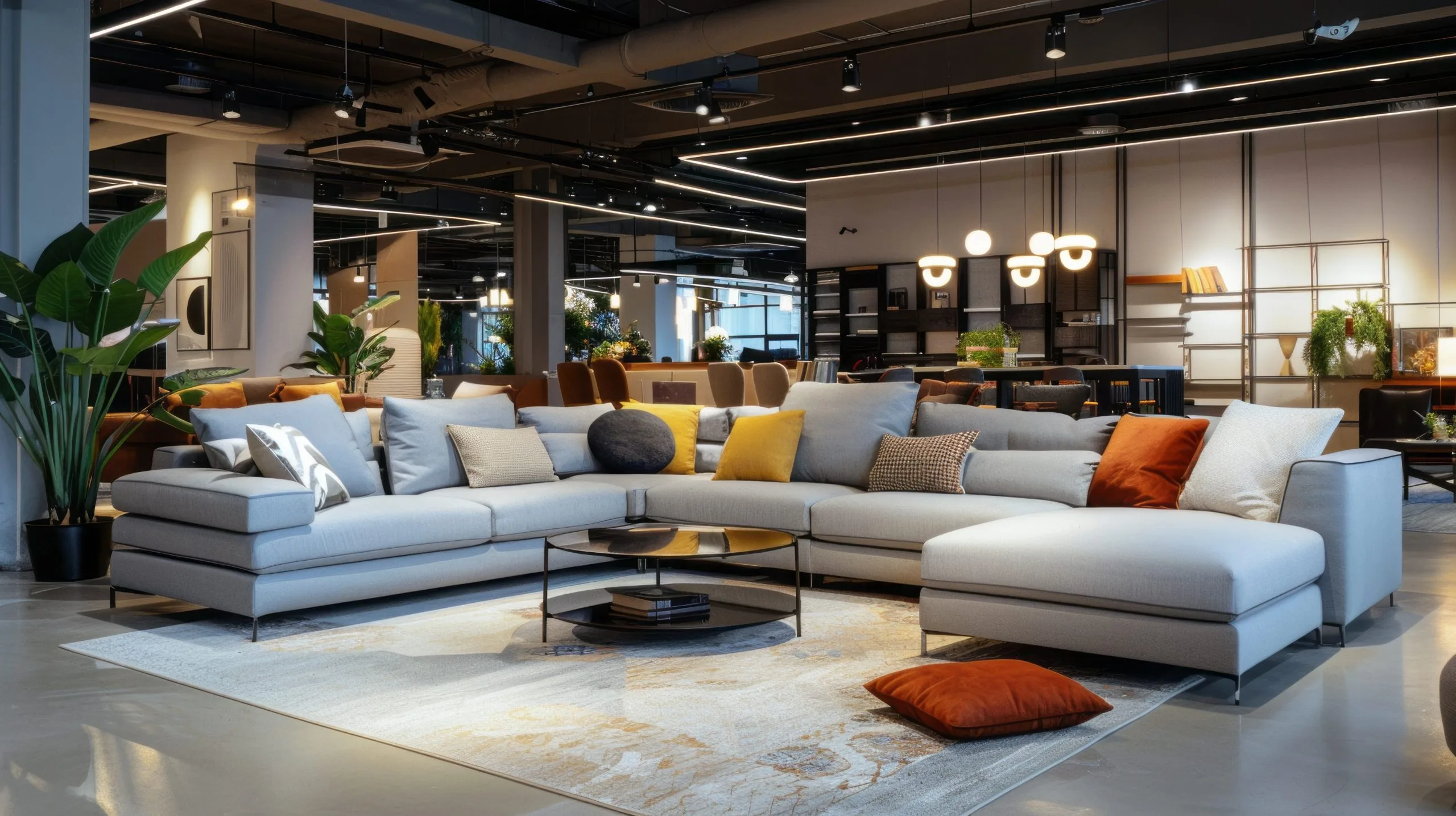
The USA furniture and home furnishing market is expanding as consumers invest in homes that feel more comfortable, practical, and personalized. The market includes sofas, beds, tables, chairs, cabinets, mattresses, lighting, rugs, textiles, décor, storage units, and furnishing accessories used across living rooms, bedrooms, kitchens, dining areas, home offices, and outdoor spaces. The U.S. home furnishing market generated USD 252.27 billion in 2024 and is expected to reach USD 412.14 billion by 2030, growing at 8.5% CAGR. As households continue to refresh interiors, furniture and furnishings remain key lifestyle purchases.
Key market drivers are strengthening furniture and furnishing demand in the USA
Home improvement and replacement cycles are supporting steady demand
Home improvement activity continues to support demand for furniture and home furnishings across the USA. Consumers often replace sofas, beds, dining sets, cabinets, rugs, lighting, and décor when renovating homes, moving into new properties, or refreshing outdated interiors. Many households are upgrading existing spaces to improve comfort, functionality, and long-term home value. Replacement demand is also supported by changing design preferences, wear and tear, and the growing influence of interior design content. Retailers that offer coordinated collections, room-based merchandising, flexible delivery, and clear value propositions are better positioned to capture these recurring purchases.
Hybrid work and lifestyle changes are reshaping product choices
Changing work and lifestyle patterns are increasing demand for furniture that supports flexible living. Home office furniture, ergonomic chairs, modular desks, storage units, multifunctional tables, sofa beds, and compact shelving are gaining relevance as consumers balance work, family, entertainment, and relaxation within the same spaces. Many buyers want products that look stylish while solving practical problems such as limited space, cable management, storage, and comfort. This is creating opportunities for brands that combine design, durability, ease of assembly, and everyday usability. Furniture is no longer viewed only as a household necessity, but as part of personal comfort and lifestyle expression.
E-commerce and omnichannel retail are changing the buying journey
Digital platforms are reshaping how consumers discover and purchase furniture and furnishings. Online product comparison, virtual room tools, financing options, reviews, and home delivery services are improving convenience and confidence. Physical stores still matter for testing comfort and materials, but omnichannel retail is now central to growth.
Government initiatives and housing activity are supporting market growth
Housing-related policies, mortgage programs, infrastructure investment, community development, and energy-efficient housing initiatives indirectly support the USA furniture and home furnishing market. New housing, rental moves, renovation projects, and household formation create demand for essential and discretionary furnishing products. Public investment in housing supply and neighborhood development can also support long-term consumption. At the same time, businesses must comply with product safety, labeling, sustainability, import, and material standards. Stable housing activity remains an important foundation for furniture purchases across consumer segments.
Competitive landscape is becoming more digital, design focused, and service led
The USA furniture and home furnishing market includes large furniture chains, specialty retailers, department stores, online marketplaces, direct-to-consumer brands, mattress companies, home décor retailers, premium furniture brands, and local manufacturers. Competition is shaped by design, comfort, price, customization, financing, delivery speed, return policies, sustainability, and customer service. Digital-first brands compete through curated online experiences and fast discovery, while established retailers benefit from showrooms and brand trust. Companies that combine product quality with reliable fulfillment and strong after-sales support can build stronger customer loyalty.
Market challenges continue to affect affordability and profitability
Inflation and interest rates can delay big-ticket purchases
Furniture and furnishing products are often discretionary purchases. Inflation, rent pressure, mortgage costs, and household budget constraints can lead consumers to delay upgrades or choose lower-priced alternatives.
Supply chain and delivery costs can pressure margins
Furniture products are bulky, expensive to transport, and complex to store and deliver. Freight costs, warehousing needs, return handling, and material price volatility can affect profitability.
Future outlook
The future outlook for the USA furniture and home furnishing market remains positive, supported by home improvement activity, housing movement, hybrid work, digital retail adoption, and demand for personalized interiors. Opportunities are expected across modular furniture, ergonomic home office products, mattresses, storage solutions, sustainable materials, lighting, décor, outdoor furniture, and smart furnishings. As the market moves toward USD 412.14 billion by 2030, businesses that combine affordability, design, comfort, omnichannel convenience, reliable logistics, and flexible financing will be better positioned to capture long-term growth.
Consultants at Nexdigm, in their latest publication “USA Furniture And Home Furnishing Market Outlook to 2035,” analyze the sector By Product Category (Living Room Furniture, Bedroom Furniture, Dining and Kitchen Furniture, Office and Home Office Furniture), By Room Type (Living Room, Bedroom, Dining Room)
Nexdigm suggests that businesses in the USA furniture and home furnishing market should focus on multifunctional designs, durable materials, and affordable style-led collections to meet evolving household needs.
To take the next step, simply visit our Request a Consultation page and share your requirements with us.
Harsh Mittal
+91-8422857704