
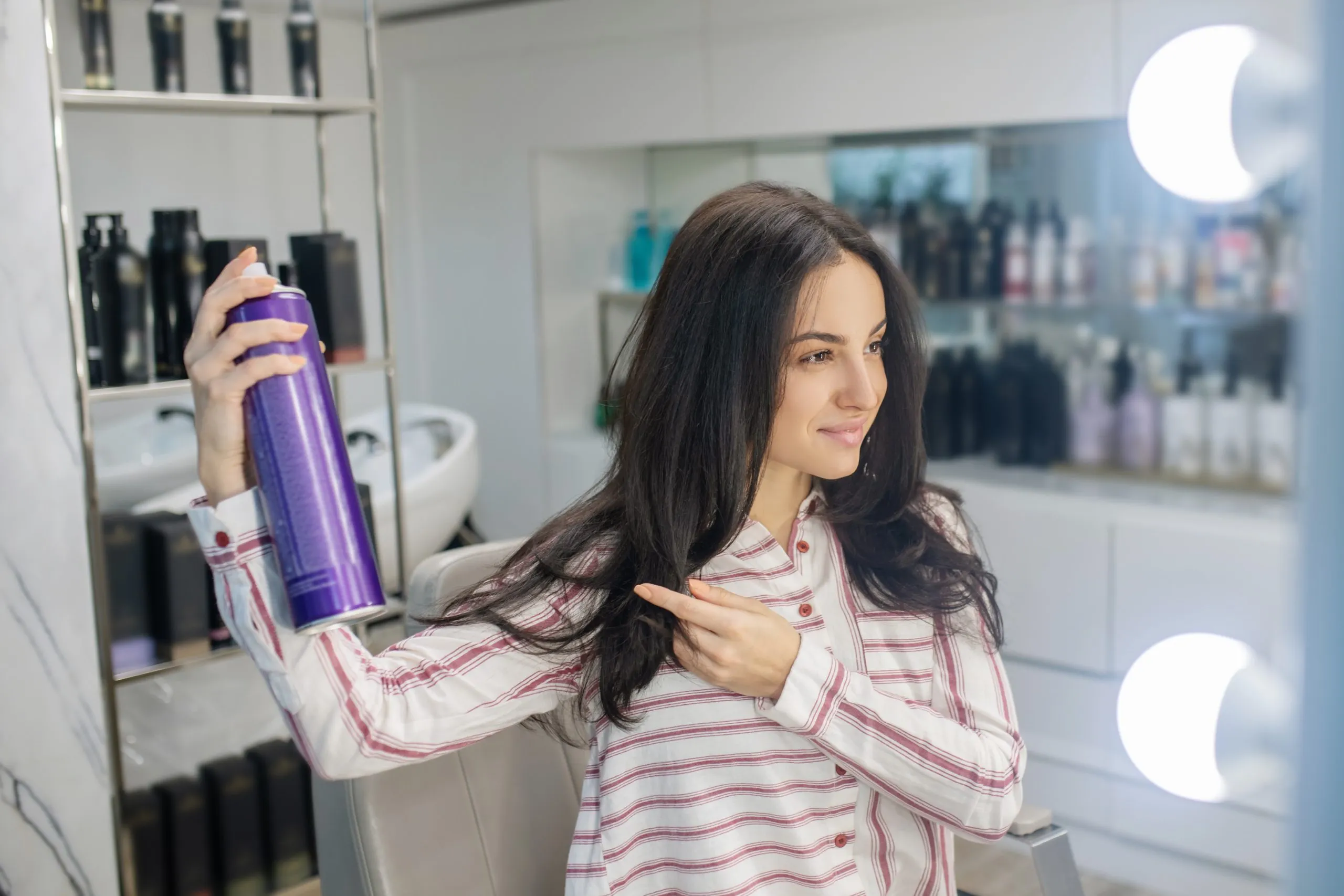
The USA hair care market is expected to grow rapidly as consumers become more focused on hair health, scalp care, styling needs, and personalized beauty routines. Shampoos, conditioners, hair oils, masks, serums, treatments, and styling products are increasingly selected based on hair type, texture, ingredients, and visible results. The U.S. hair care products market was estimated to grow at a 6.2% CAGR value. This growth reflects stronger demand for natural, premium, salon-inspired, and treatment-focused products. As consumers become more informed, hair care is shifting from a basic grooming habit to a more customized self-care routine.
Major Factors Shaping Consumer Demand in the US Hair Care Market
Hair Health and Scalp Care Are Taking Center Stage
Hair care in the U.S. is becoming more wellness-driven. Consumers are no longer buying only basic cleansing and conditioning products; they are looking for solutions that address scalp dryness, dandruff, hair thinning, breakage, frizz, curl definition, color protection, and heat damage. This has increased demand for scalp serums, leave-in treatments, bond-repair products, deep conditioners, hair masks, and targeted styling products. This shift is visible in the U.S., where hair care is increasingly borrowing ideas from skincare, including ingredient transparency, routine-based usage, and targeted treatment claims. Brands that can offer simple routines with clear results are likely to build stronger customer loyalty. Products that support long-term hair and scalp health will continue to gain attention.
Natural, Clean, and Premium Products Are Gaining Ground
Demand for natural and cleaner-label hair care products is rising as consumers become more aware of ingredients, sustainability, and product safety. Many buyers are looking for sulfate-free shampoos, silicone-free conditioners, vegan formulas, plant-based oils, cruelty-free products, and products designed for textured or color-treated hair. Premium hair care is also benefiting consumers willing to spend more on products that offer salon-like results at home. These trends are shaping U.S. product development across mass, prestige, salon, and direct-to-consumer channels. Consumers are increasingly choosing products that feel safe, effective, and aligned with their values.
Salon-Inspired Products Are Moving Into Everyday Routines
Professional and salon-inspired products are becoming more accessible through retail stores, e-commerce, and social media discovery. Consumers are using bond builders, gloss treatments, color-protection systems, anti-frizz products, heat protectants, and scalp treatments at home between salon visits. This is creating demand for products that offer professional-quality results in convenient formats. As consumers become more educated, product performance, reviews, and ingredient credibility will play a larger role in purchasing decisions. Social media tutorials and stylist recommendations will also continue to influence how consumers build their routines.
The US Government Regulations Influencing the Hair Care Market
The U.S. hair care market is being influenced by stronger regulatory attention on cosmetics and personal care products. The Modernization of Cosmetics Regulation Act of 2022, or MoCRA, expanded FDA oversight of cosmetics and introduced requirements such as facility registration and product listing for many cosmetic businesses. These changes encourage brands to strengthen safety documentation, quality systems, and product transparency. They also place more responsibility on manufacturers and brand owners to manage compliance. For consumers, this can support greater confidence in product safety and labeling. For companies, compliance readiness may become a stronger competitive advantage, especially for brands selling across retail, salon, and e-commerce channels. Over time, clearer safety practices may help trusted brands stand out in a crowded market.
Competitive Landscape of the US Hair Care Market
The USA hair care market is highly competitive, with global beauty companies, salon brands, indie labels, natural-product specialists, multicultural hair care brands, and direct-to-consumer players competing for shelf space and online visibility. Competition is shaped by ingredient claims, price, brand trust, performance, packaging, social media influence, and distribution reach. Large companies compete through broad portfolios, retail partnerships, R&D investment, and acquisitions. As the market matures, brands that clearly solve specific hair concerns are likely to stand out. Strong storytelling and visible product results will be important for building repeat purchases.
Challenges facing the US Hair Care Market
Too Many Choices and Frequent Brand Switching
The U.S. hair care market is crowded, and consumers have access to many choices across mass retail, salons, beauty stores, marketplaces, and direct-to-consumer platforms. This creates pressure on pricing, marketing, spending, and product differentiation. Consumers may also switch brands quickly if a product does not deliver visible results. This makes loyalty harder to maintain. Brands need clear claims, strong reviews, reliable performance, and consistent product quality to retain customers. Products that overpromise and underdeliver may struggle to keep repeat buyers. In a market full of similar claims, trust and proven results will become more important.
Ingredient Scrutiny and Cost Pressures
Consumers are paying closer attention to ingredients, safety claims, sustainability, and ethical sourcing. At the same time, brands face cost pressures from packaging, raw materials, logistics, compliance, and retail competition. Balancing clean-label expectations with performance and affordability can be difficult. Premium products must justify higher prices through clear results. Mass-market brands also need to improve formulas while keeping products accessible. Companies may also need to invest more in testing, transparent labeling, and sustainable packaging. These added costs can make it harder for smaller brands to scale profitably.
Future Outlook
Looking ahead, the USA hair care market is expected to become more personalized, science-led, and treatment-focused. Demand will likely be strongest for products that address scalp health, hair repair, frizz control, curl care, color protection, thinning concerns, and heat damage. The U.S. hair care products market’s projected rise signals strong long-term momentum. Future growth is expected to favor brands that combine performance, transparency, inclusivity, and convenience. Natural, premium, salon-inspired, and personalized products are likely to gain wider adoption. E-commerce, social media, subscription models, and professional recommendations will continue to influence product discovery. In the coming years, hair care will be less about simple cleansing and more about customized routines that support hair and scalp health. Brands that make routines easier, clearer, and more effective are likely to gain the strongest consumer trust.
Consultants at Nexdigm, in their latest publication USA Hair Care Market Outlook to 2035,” analyzed the market by Product Type (Shampoo, Conditioner, Hiar Masks, Dry Shampoo, Hair Colorants, Hair Styling Products, Hair Growth and Anti Thinning Products), by Price Tier (Mass, Masstige, Prestige, Luxury Salon, Professional).
Nexdigm believes businesses in the hair care market should focus on building trusted brands, creating effective products, and responding to evolving consumer preferences. By supporting regulatory, operational, tax, accounting, and compliance needs, Nexdigm helps companies simplify complexity and stay focused on sustainable growth and market expansion.
To take the next step, simply visit our Request a Consultation page and share your requirements with us.
Harsh Mittal
+91-8422857704