
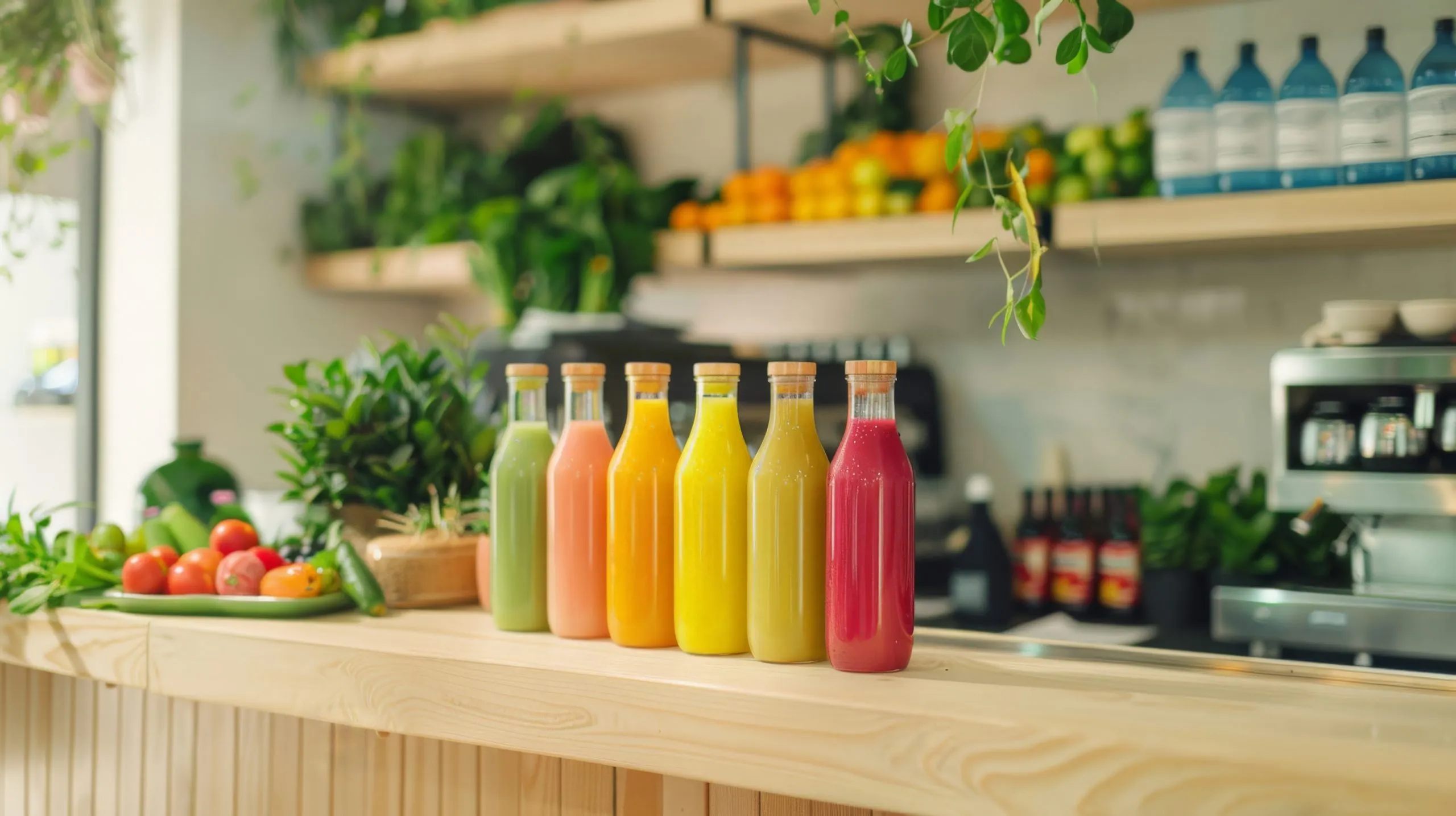
The USA health drinks market is expanding as consumers look for beverages that offer more than refreshment. Products such as functional waters, electrolyte drinks, probiotic beverages, kombucha, protein shakes, plant-based drinks, fortified juices, low-sugar beverages, and energy drinks are becoming part of daily wellness routines. The U.S. health drinks market was valued at USD 24.5 billion in 2024 and is projected to reach USD 45.2 billion by 2034, growing at 6.5% CAGR. Demand is being shaped by preventive health awareness, busy lifestyles, fitness culture, clean-label preferences, and the shift away from sugar-heavy drinks.
Key market drivers are strengthening demand for health drinks in the USA
Preventive wellness is changing beverage choices
Consumers in the USA are becoming more proactive about hydration, digestion, immunity, energy, weight management, and overall nutrition. This is supporting demand for beverages with added vitamins, minerals, probiotics, electrolytes, protein, collagen, fiber, adaptogens, and antioxidants. Functional beverages accounted for about 40% of the U.S. health drinks market, showing that shoppers increasingly want products with clear wellness benefits. Instead of choosing drinks only for taste, many consumers now look at labels, ingredient claims, sugar content, and the specific health occasion the product supports. This shift is helping brands position health drinks as everyday wellness tools.
Fitness, active lifestyles, and convenience are widening consumption occasions
Sports, gym routines, outdoor activities, work schedules, and on-the-go consumption are creating strong demand for convenient health drinks. Electrolyte beverages, protein drinks, energy drinks, functional waters, and recovery-focused products are benefiting from this trend. Another estimate places the U.S. functional drinks market at USD 52.48 billion in 2025 and projects it to reach USD 105.79 billion by 2034, growing at 8.10% CAGR. Health drinks are increasingly consumed before workouts, during commutes, between meals, at offices, and as alternatives to traditional soft drinks.
Low-sugar and clean-label innovation is attracting mainstream shoppers
Consumers are increasingly seeking beverages with reduced sugar, natural flavors, fewer artificial additives, and recognizable ingredients. This is encouraging brands to reformulate and launch cleaner, lighter, and more transparent product lines.
Government health priorities and labeling standards are supporting market transparency
Government initiatives around nutrition awareness, sugar reduction, food safety, public health, and transparent labeling are influencing the USA health drinks market. Regulatory oversight of nutrition facts, ingredient declarations, allergen labeling, health claims, and product safety helps consumers compare products more clearly. Public health guidance encouraging lower added sugar intake and balanced diets is also pushing beverage companies to innovate with reduced-sugar and better-for-you options. Brands that use compliant claims, transparent formulations, and credible science-backed positioning can build stronger trust with health-conscious consumers.
Competitive landscape is becoming more functional and innovation driven
The USA health drinks market includes multinational beverage companies, sports nutrition brands, probiotic drink manufacturers, kombucha companies, plant-based beverage players, bottled water brands, private labels, wellness startups, and online-first beverage companies. Competition is shaped by functionality, taste, sugar content, price, packaging, ingredient credibility, retail visibility, and brand identity. Energy drinks and shots accounted for 54.5% share of the functional drinks market, indicating strong demand for performance and alertness benefits. Companies are competing through flavor innovation, targeted health claims, subscription models, and partnerships with gyms, retailers, and e-commerce platforms.
Market challenges continue to affect trust and repeat purchases
Ingredient claims can create consumer confusion
The health drinks category is crowded with claims around energy, immunity, gut health, metabolism, focus, hydration, and recovery. Without clear evidence and simple communication, consumers may find it difficult to distinguish meaningful benefits from marketing language.
Sugar, pricing, and taste remain important barriers
Some health drinks still contain high sugar levels or premium pricing. Consumers may also reject products if taste, texture, or aftertaste does not meet expectations.
Future outlook
The future outlook for the USA health drinks market remains positive, supported by preventive wellness, fitness culture, digital retail, functional ingredients, and demand for healthier alternatives to traditional soft drinks. Opportunities are expected across probiotic beverages, electrolyte drinks, protein shakes, fortified waters, kombucha, plant-based drinks, low-sugar beverages, energy drinks, and personalized nutrition formats. As the market moves toward USD 45.2 billion by 2034, businesses that combine taste, clear benefits, transparent labeling, scientific credibility, convenience, and affordable premiumization will be better positioned to capture long-term growth.
Consultants at Nexdigm, in their latest publication “USA health drinks market outlook to 2035,” analyze the sector By Product Category (Energy Drinks, Sports and Hydration Drinks, Functional and Enhanced Water, Protein RTD and Meal Replacement Drinks), By Ingredient Platform (Caffeine-Based Formulations, Electrolyte-Based Formulations, Probiotic Cultures)
Nexdigm suggests that businesses in the USA health drinks market should focus on functional, low-sugar, and clean-label beverages that support demand for hydration, energy, digestive wellness, immunity, protein intake, and everyday nutrition.
To take the next step, simply visit our Request a Consultation page and share your requirements with us.
Harsh Mittal
+91-8422857704